Recombinant Human GAP43 Protein: Structure, Activity, and Application
Introduction
Recombinant proteins are proteins that are produced through genetic engineering techniques, allowing for the production of large quantities of specific proteins. One such recombinant protein is the Recombinant Human GAP43 Protein, which has gained significant attention in the field of neuroscience due to its unique structure and diverse range of functions. In this article, we will explore the structure, activity, and application of Recombinant Human GAP43 Protein.
Structure of Recombinant Human GAP43 Protein
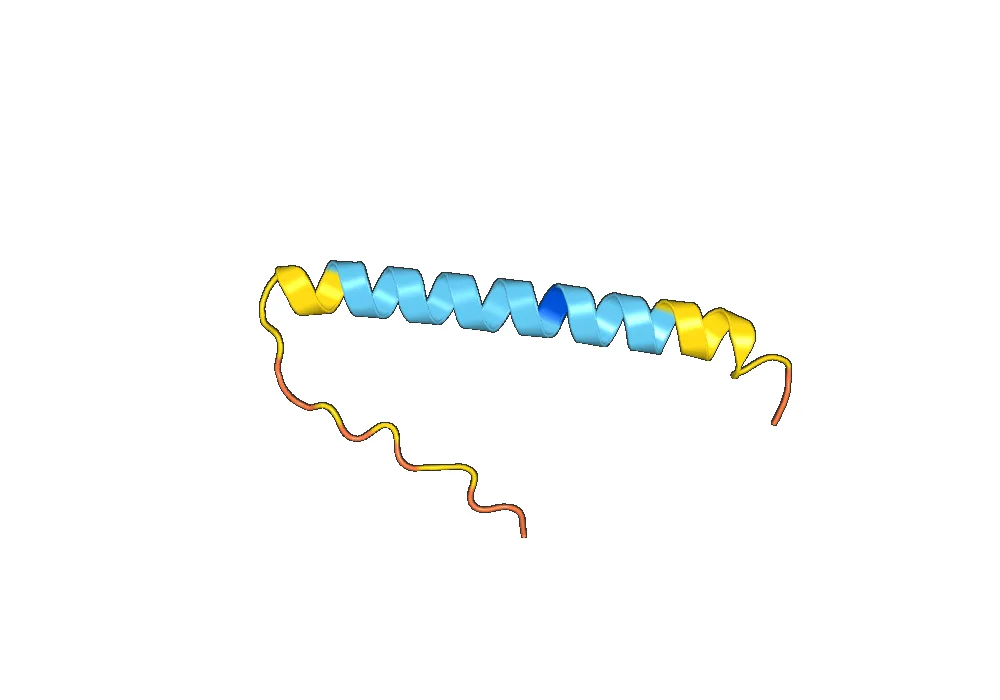
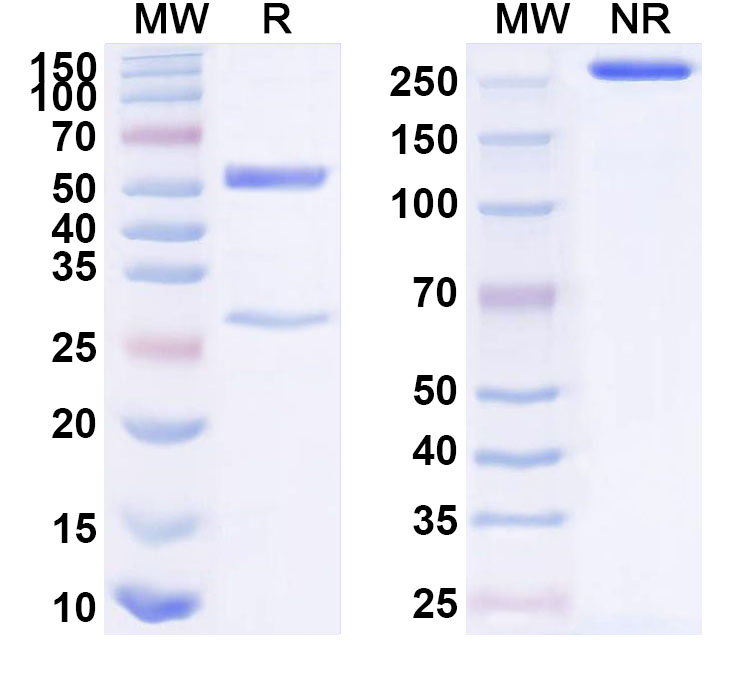
Recombinant Human GAP43 Protein is a 43-kDa protein that belongs to the growth-associated protein (GAP) family. It is composed of 3 domains: an N-terminal domain, a central domain, and a C-terminal domain. The N-terminal domain contains a myristoylation site, which allows the protein to attach to the cell membrane. The central domain contains multiple phosphorylation sites, which are crucial for the protein’s activity. The C-terminal domain contains a calmodulin-binding domain, which is responsible for the protein’s interaction with calmodulin, a calcium-binding protein.
Activity of Recombinant Human GAP43 Protein
Recombinant Human GAP43 Protein is primarily known for its role in neuronal development and plasticity. It is highly expressed in developing neurons and is involved in axonal growth and guidance. The myristoylation of the protein allows it to attach to the cell membrane, where it can interact with other proteins and signaling molecules to regulate neuronal growth. The central domain of the protein contains multiple phosphorylation sites, which can be activated by various kinases. This phosphorylation plays a crucial role in the protein’s activity, as it can modulate its interaction with other proteins and its ability to regulate neuronal growth.
In addition to its role in neuronal development, Recombinant Human GAP43 Protein has also been implicated in synaptic plasticity and memory formation. Studies have shown that the protein is involved in the formation and maintenance of synapses, the connections between neurons. It has also been shown to play a role in long-term potentiation, a process that strengthens the connections between neurons and is crucial for learning and memory.
Application of Recombinant Human GAP43 Protein
Due to its diverse range of functions, Recombinant Human GAP43 Protein has potential applications in various fields, including neuroscience, regenerative medicine, and drug development. In neuroscience, the protein can be used as a tool to study neuronal development, plasticity, and memory formation. It can also be used to investigate the role of specific kinases in the phosphorylation of the protein and its effects on neuronal activity.
In regenerative medicine, Recombinant Human GAP43 Protein has shown promise in promoting nerve regeneration and repair. Studies have demonstrated that the protein can stimulate axonal growth and enhance the formation of new synapses, making it a potential therapeutic target for nerve injuries and neurodegenerative diseases.
Furthermore, Recombinant Human GAP43 Protein can also be used in drug development. As the protein is involved in various signaling pathways and interactions with other proteins, it can serve as a target for drug discovery. Modulating its activity or phosphorylation can potentially lead to the development of new treatments for neurological disorders.
Conclusion
In conclusion, Recombinant Human GAP43 Protein is a 43-kDa protein that plays a crucial role in neuronal development, plasticity, and memory formation. Its unique structure, with myristoylation, phosphorylation, and calmodulin-binding domains, allows it to carry out

There are no reviews yet.