Introduction to Recombinant Human GDF7
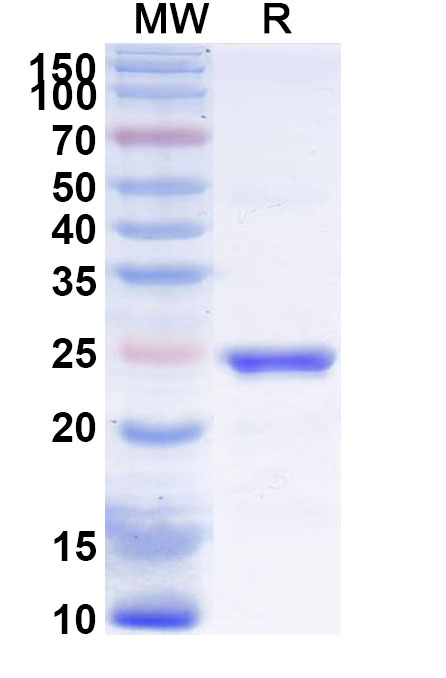
Recombinant Human GDF7 (Growth and Differentiation Factor 7) is a protein that belongs to the Transforming Growth Factor beta (TGF-β) superfamily. It is a homodimer consisting of two identical subunits, each containing 120 amino acids. GDF7 is produced by recombinant DNA technology and has a molecular weight of approximately 27 kDa. This protein plays a crucial role in regulating cell growth, differentiation, and development in various tissues and organs.
Structure of Recombinant Human GDF7
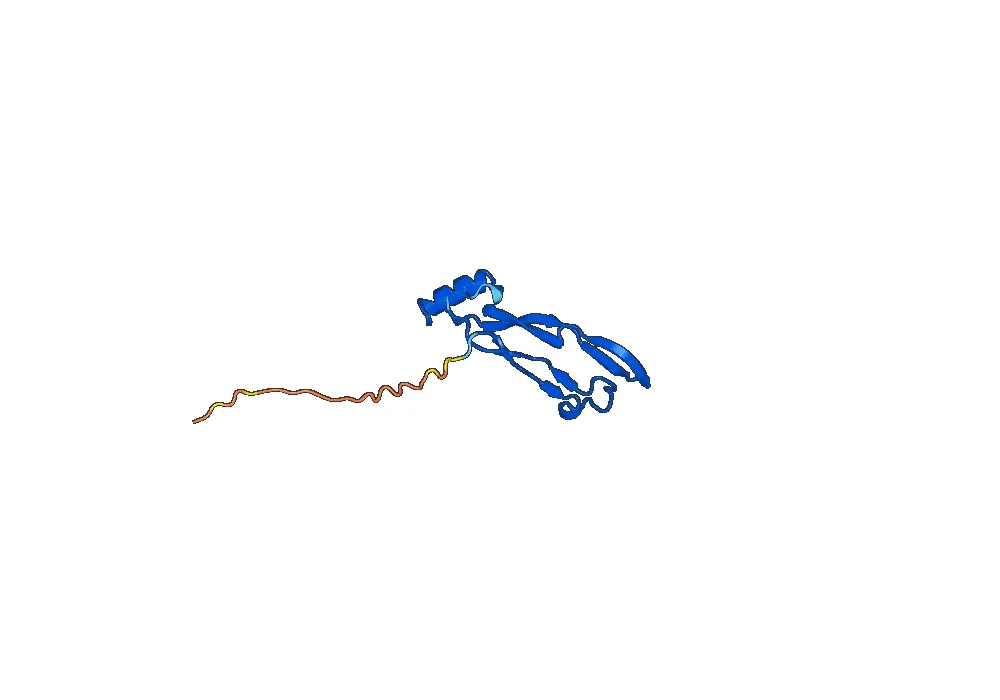
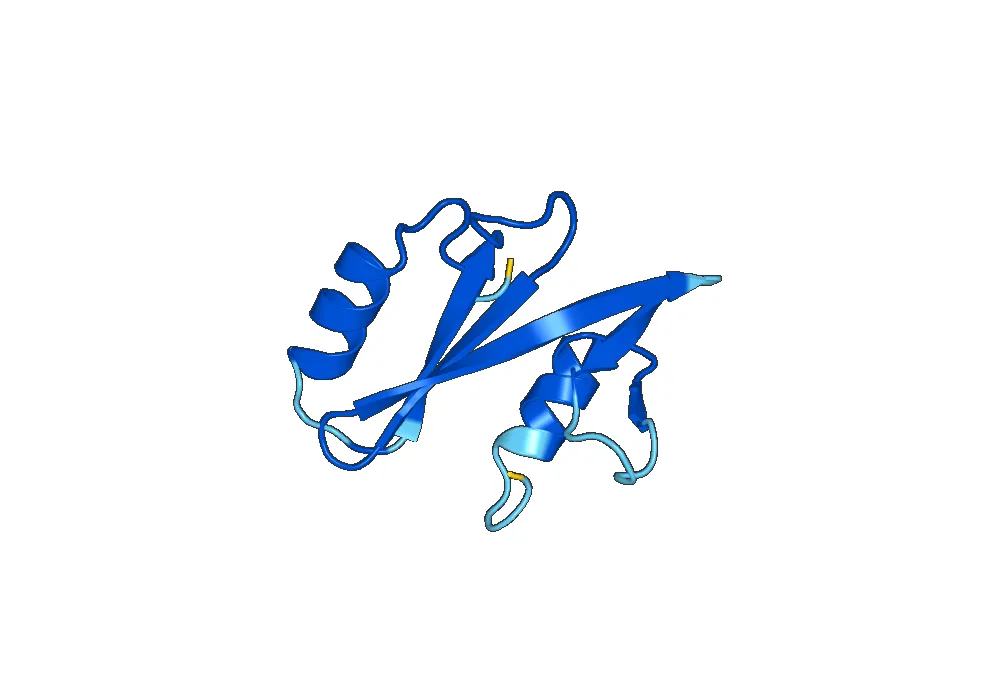
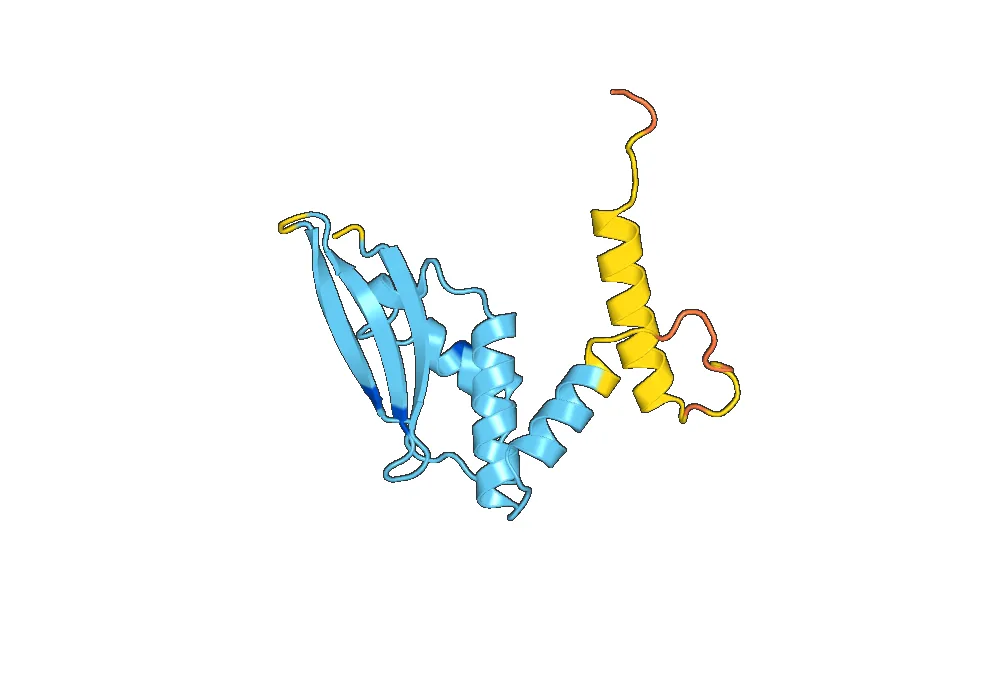
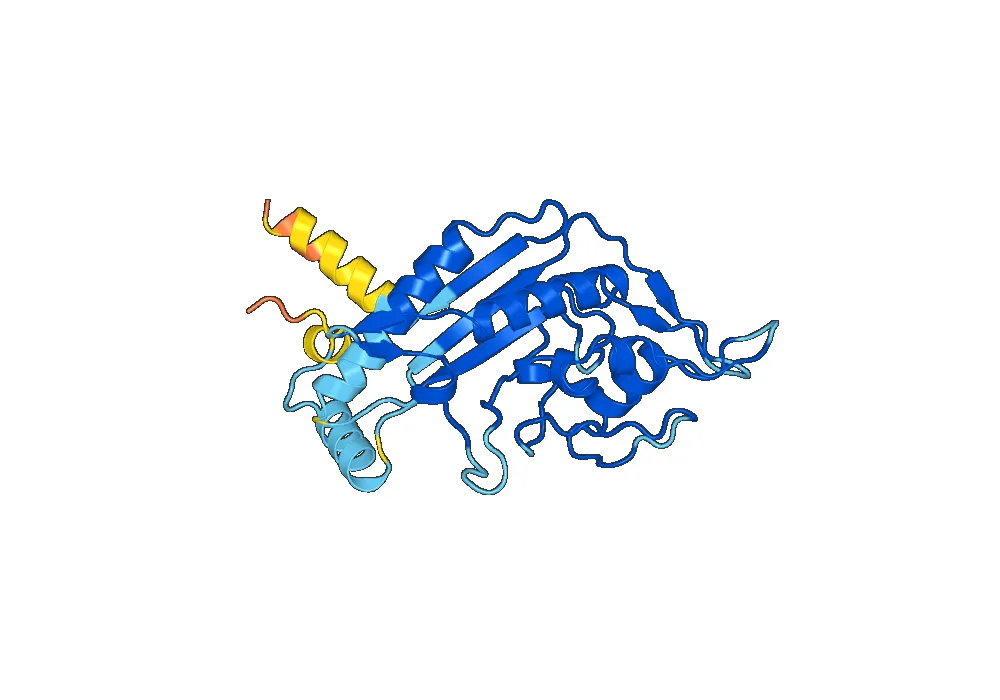
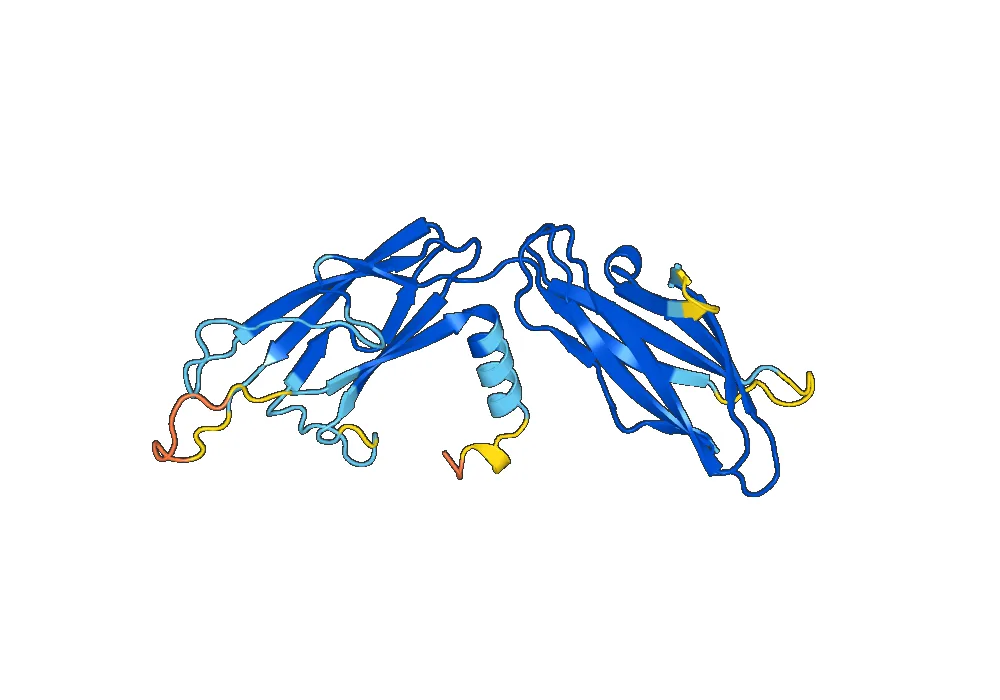
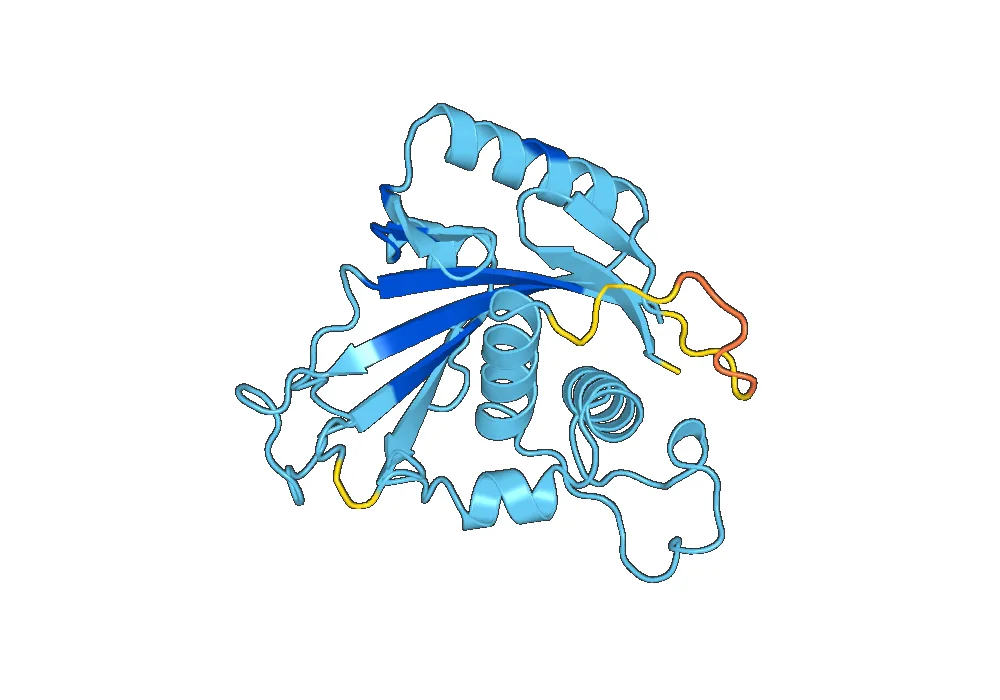
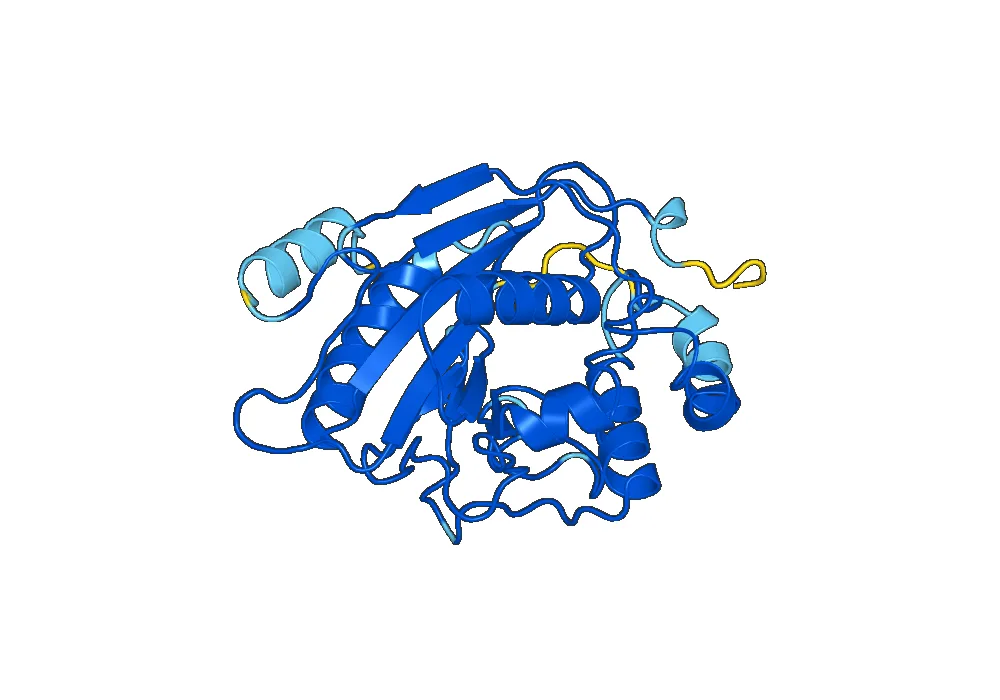
The structure of recombinant human GDF7 is similar to other members of the TGF-β superfamily, with a characteristic cystine knot fold. It consists of an N-terminal propeptide region, a mature domain, and a C-terminal region. The mature domain is responsible for the biological activity of the protein and is highly conserved among different species. The cystine knot fold is formed by six conserved cysteine residues that are crucial for maintaining the structural integrity of the protein.
Activity of Recombinant Human GDF7
Recombinant Human GDF7 has been shown to have diverse biological activities in different cell types and tissues. It acts as a potent regulator of cell growth and differentiation by interacting with specific receptors on the cell surface. GDF7 can activate both the canonical and non-canonical signaling pathways, leading to the activation of downstream target genes.
One of the major activities of GDF7 is its role in bone formation and regeneration. It has been shown to stimulate the proliferation and differentiation of osteoblasts, the cells responsible for bone formation. GDF7 also promotes the synthesis of extracellular matrix proteins, such as collagen and osteocalcin, which are essential for bone mineralization.
In addition to its role in bone formation, recombinant human GDF7 has also been implicated in cartilage development and repair. It can induce the differentiation of chondrocytes, the cells responsible for cartilage formation, and stimulate the production of cartilage-specific extracellular matrix proteins.
GDF7 also plays a critical role in the development and maintenance of the nervous system. It has been shown to promote the survival and differentiation of neurons, as well as the formation of synapses between neurons. This protein also has neuroprotective effects and has been studied for its potential therapeutic use in neurodegenerative diseases.
Applications of Recombinant Human GDF7
Due to its diverse biological activities, recombinant human GDF7 has a wide range of potential applications in the field of biomedicine. One of the most promising applications is in bone and cartilage tissue engineering. GDF7 can be incorporated into scaffolds or used in combination with other growth factors to promote the formation of functional bone and cartilage tissues.
Another potential application of recombinant human GDF7 is in the treatment of bone and joint disorders, such as osteoporosis and osteoarthritis. It has been shown to have anabolic effects on bone and cartilage, making it a potential therapeutic agent for these conditions.
In addition, GDF7 has been studied for its potential use in nerve regeneration and repair. Its ability to promote neuronal survival and differentiation makes it a promising candidate for the treatment of nerve injuries and neurodegenerative diseases.
Conclusion
In summary, recombinant human GDF7 is a versatile protein with diverse biological activities. Its structure, activity, and potential applications make it a promising candidate for various biomedical applications, particularly in the fields of bone and cartilage tissue engineering, as well as nerve regeneration and repair. Further research and development of this protein could lead to new and improved treatments for a range of diseases and injuries.
There are no reviews yet.