Introduction
Recombinant Human HNRNPL Protein, also known as heterogeneous nuclear ribonucleoprotein L (HNRNPL), is a key protein involved in various cellular processes such as RNA processing, transcription regulation, and mRNA stability. This protein is encoded by the HNRNPL gene and is highly conserved across species, making it a valuable tool for scientific research. In this article, we will provide a comprehensive description of the structure, activity, and applications of Recombinant Human HNRNPL Protein.
Structure of Recombinant Human HNRNPL Protein
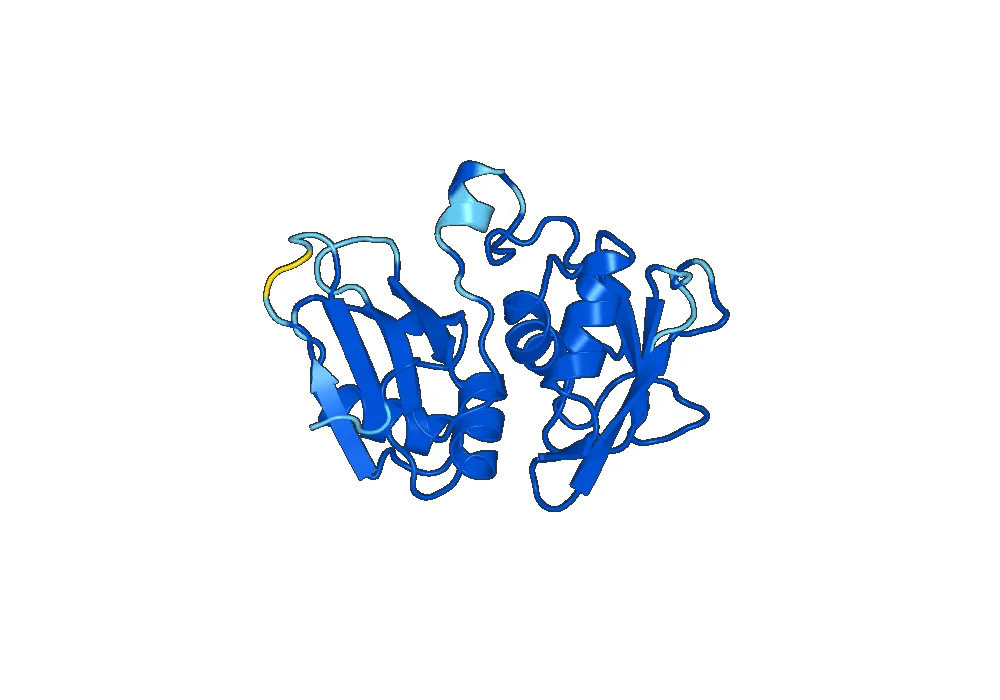
Recombinant Human HNRNPL Protein is a 64 kDa protein consisting of 580 amino acids. It contains three RNA recognition motifs (RRMs) and a glycine-rich domain, which are essential for its RNA binding and protein-protein interaction activities. The three RRMs are responsible for recognizing and binding to specific RNA sequences, while the glycine-rich domain allows for interactions with other proteins involved in RNA processing.
Activity of Recombinant Human HNRNPL Protein
Recombinant Human HNRNPL Protein plays a crucial role in RNA processing, which is essential for the regulation of gene expression. It is involved in various aspects of RNA metabolism, including splicing, polyadenylation, and mRNA stability. The three RRMs of HNRNPL allow it to bind to specific RNA sequences, thereby regulating the processing and stability of target mRNAs. Additionally, HNRNPL has been shown to interact with other proteins involved in RNA processing, further enhancing its activity.
One of the key functions of HNRNPL is its role in alternative splicing, a process that allows a single gene to produce multiple protein isoforms. HNRNPL has been shown to act as a splicing repressor, inhibiting the inclusion of certain exons in the final mRNA product. This splicing regulation by HNRNPL is crucial for the proper expression of many genes, and any dysregulation can lead to diseases such as cancer.
Moreover, HNRNPL also plays a role in mRNA stability by binding to and protecting target mRNAs from degradation. This function is vital for maintaining the proper levels of gene expression and preventing the accumulation of aberrant or harmful proteins.
Applications of Recombinant Human HNRNPL Protein
Recombinant Human HNRNPL Protein has a wide range of applications in scientific research. Its ability to regulate RNA processing and stability makes it a valuable tool for studying gene expression and its dysregulation in diseases such as cancer. Additionally, HNRNPL has been linked to various neurological disorders, making it a potential target for drug development.
One of the primary uses of Recombinant Human HNRNPL Protein is in in vitro splicing assays. These assays involve the use of recombinant proteins to study the splicing of specific RNA sequences in a controlled environment. HNRNPL has been shown to regulate the splicing of various genes, making it an essential component of these assays.
Furthermore, Recombinant Human HNRNPL Protein has also been used in RNA immunoprecipitation (RIP) experiments to identify its binding partners and target mRNAs. RIP assays involve the use of antibodies to isolate specific RNA-protein complexes, and HNRNPL is a commonly used target in these experiments.
In addition to its research applications, Recombinant Human HNRNPL Protein has also been used in diagnostic tests for certain diseases. For example, HNRNPL has been identified as a potential biomarker for Alzheimer’s disease, and its levels in blood samples can be measured using specific antibodies.
Conclusion
In summary, Recombinant Human HNRNPL Protein is a critical protein involved in RNA processing, regulation of gene expression, and mRNA stability. Its structure, consisting of three RRMs and a glycine-rich domain, allows it to bind to specific RNA sequences and interact with other proteins involved in RNA metabolism. This protein has a wide range of


There are no reviews yet.