Introduction to Recombinant Human ID3 Protein
Recombinant human ID3 protein, also known as inhibitor of DNA binding 3, is a protein that plays a crucial role in the regulation of cell differentiation and proliferation. It is a member of the ID family of proteins, which are known for their ability to inhibit the function of basic helix-loop-helix (bHLH) transcription factors. Recombinant human ID3 protein is produced through genetic engineering techniques, making it a valuable tool for scientific research and various applications in the field of biotechnology.
Structure of Recombinant Human ID3 Protein
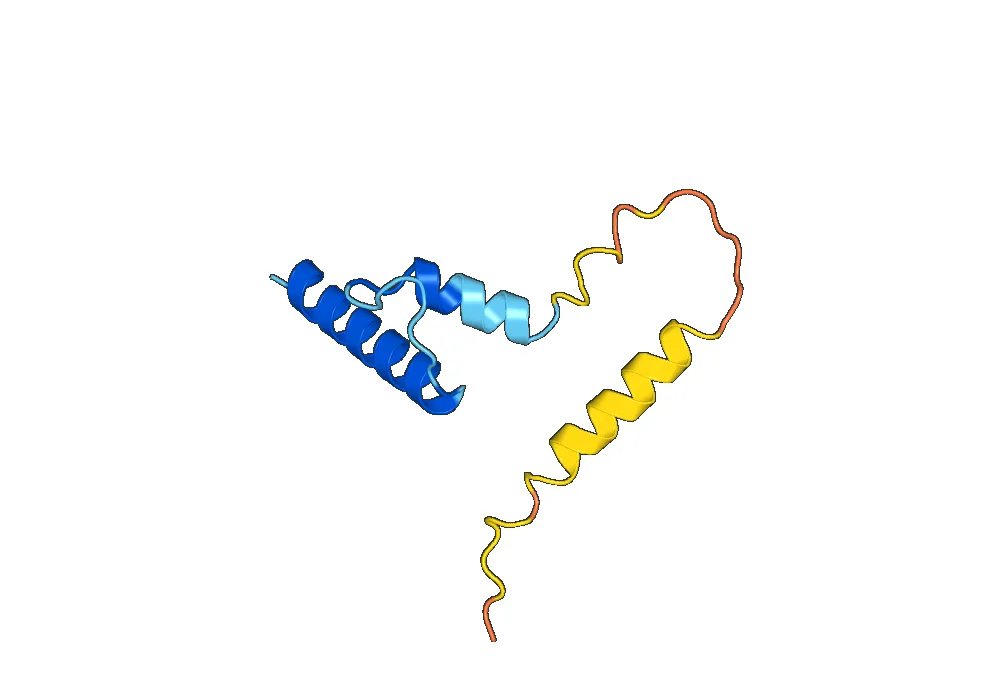
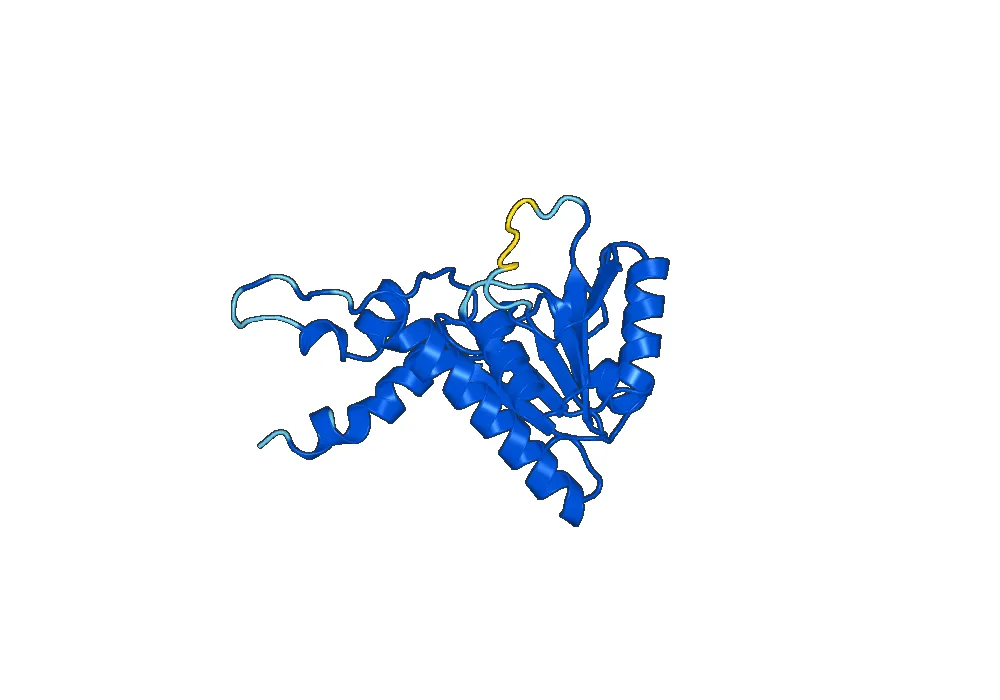
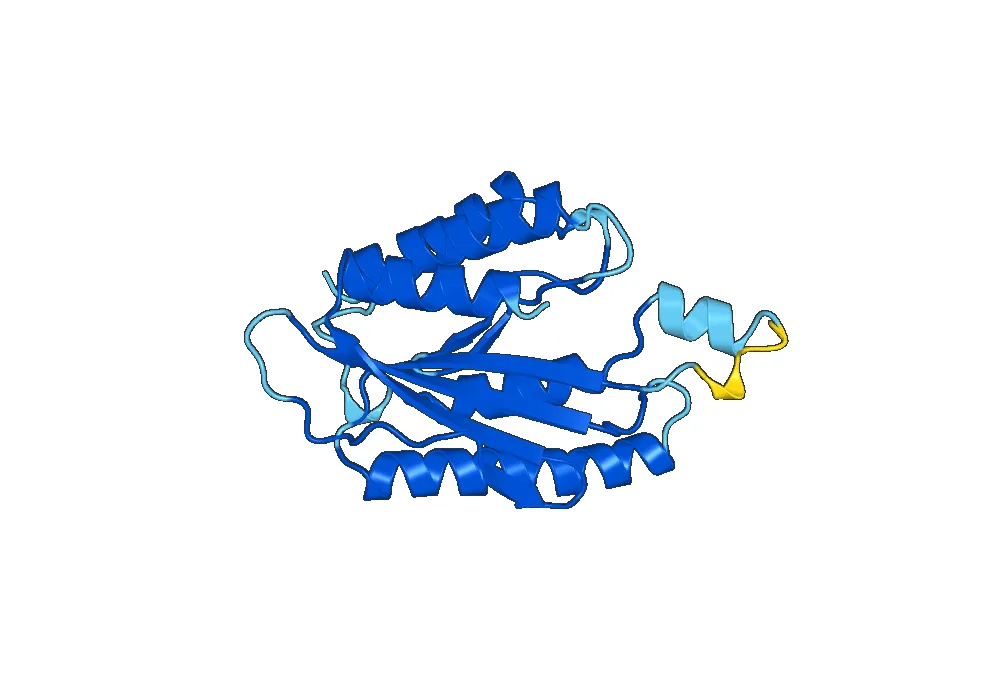
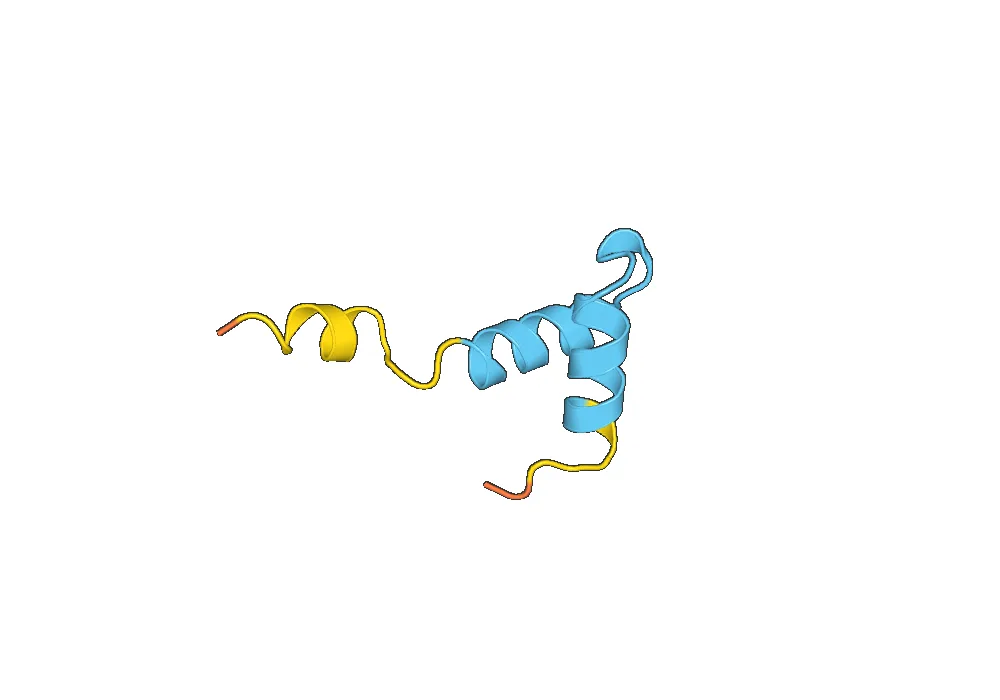
The recombinant human ID3 protein is composed of 115 amino acids and has a molecular weight of approximately 13 kDa. It contains a highly conserved helix-loop-helix (HLH) domain, which is responsible for its inhibitory function. This domain allows the protein to interact with bHLH transcription factors and prevent them from binding to DNA and regulating gene expression. Recombinant human ID3 protein also contains a nuclear localization signal (NLS), which allows it to enter the nucleus and exert its inhibitory effects on gene transcription.
Activity of Recombinant Human ID3 Protein
The main function of recombinant human ID3 protein is to regulate cell differentiation and proliferation by inhibiting the activity of bHLH transcription factors. These transcription factors play important roles in the development and function of various cell types, including muscle, blood, and nerve cells. By binding to bHLH transcription factors, recombinant human ID3 protein prevents them from binding to DNA and activating gene expression, thus regulating cell differentiation and proliferation.
In addition to its role in cell differentiation and proliferation, recombinant human ID3 protein has also been shown to play a role in other cellular processes such as apoptosis and cell cycle regulation. It has been found to interact with various signaling pathways and proteins involved in these processes, further highlighting its importance in cellular function.
Applications of Recombinant Human ID3 Protein
Recombinant human ID3 protein has a wide range of applications in the field of biotechnology and scientific research. Its ability to inhibit bHLH transcription factors makes it a valuable tool for studying the role of these transcription factors in various cellular processes. It can also be used to investigate the effects of recombinant human ID3 protein on cell differentiation and proliferation, as well as its interactions with other signaling pathways and proteins.
Moreover, recombinant human ID3 protein has potential therapeutic applications. Its ability to regulate cell differentiation and proliferation makes it a potential target for the treatment of diseases such as cancer, where these processes are dysregulated. It can also be used as a potential treatment for muscle and nerve disorders, as well as blood-related disorders.
In conclusion, recombinant human ID3 protein is a crucial protein in the regulation of cell differentiation and proliferation. Its unique structure and inhibitory activity make it a valuable tool for scientific research and various applications in biotechnology. Further studies on this protein may lead to a better understanding of its role in cellular processes and potential therapeutic applications.


There are no reviews yet.