Introduction to Recombinant Human KLRG1/CLEC15A Protein
Recombinant Human KLRG1/CLEC15A Protein is a type I transmembrane glycoprotein that belongs to the C-type lectin family. It is also known as killer cell lectin-like receptor G1 (KLRG1) or C-type lectin domain family 15 member A (CLEC15A). This protein is encoded by the KLRG1 gene and is primarily expressed on natural killer (NK) cells, T cells, and subsets of B cells and myeloid cells.
Structure of Recombinant Human KLRG1/CLEC15A Protein
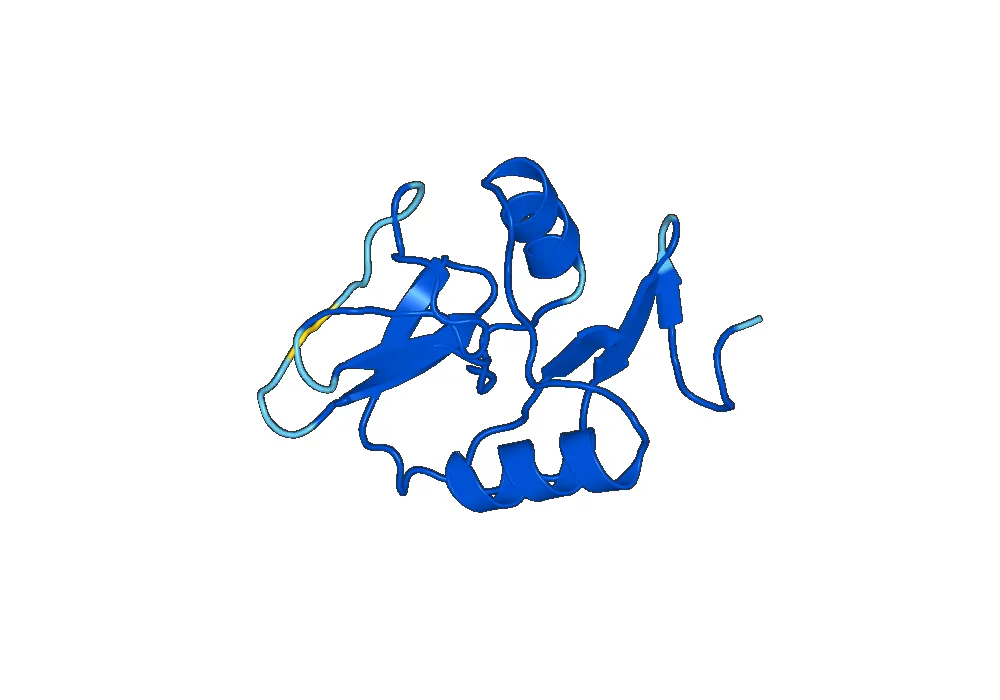
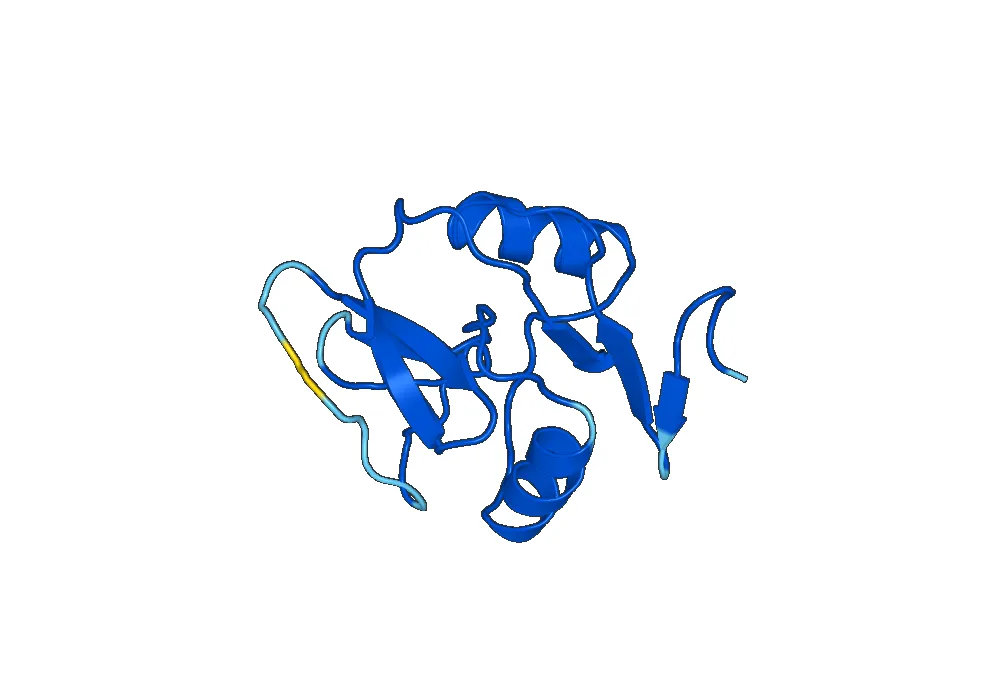
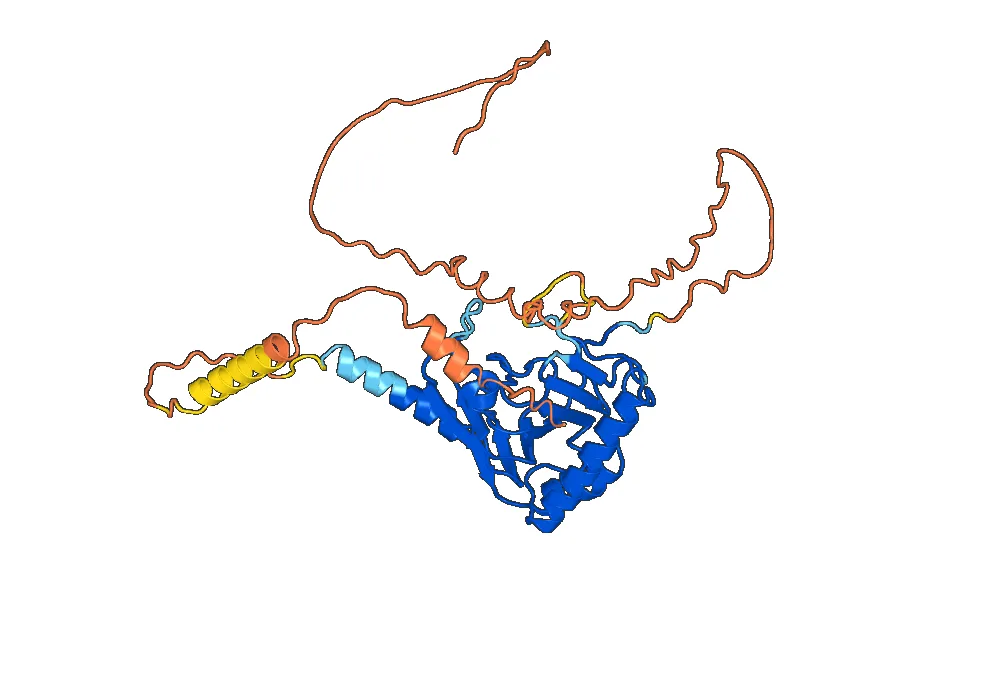
The recombinant form of KLRG1/CLEC15A protein is produced through genetic engineering techniques, where the gene encoding for the protein is inserted into a suitable expression system. The resulting protein is a homodimer with a molecular weight of approximately 30 kDa. It contains an extracellular C-type lectin-like domain, a transmembrane domain, and a cytoplasmic tail. The extracellular domain is responsible for binding to its ligand, while the cytoplasmic tail contains signaling motifs that regulate the activity of the protein.
Activity of Recombinant Human KLRG1/CLEC15A Protein
KLRG1/CLEC15A protein is a type II transmembrane receptor that plays a crucial role in the regulation of immune responses. It acts as an inhibitory receptor and is involved in the modulation of NK cell and T cell cytotoxicity. The binding of KLRG1/CLEC15A to its ligand results in the recruitment of phosphatases, which inhibit the signaling pathways involved in cell activation. This ultimately leads to the suppression of immune responses, which is important for maintaining immune homeostasis and preventing autoimmunity.
Interaction with Ligands
The ligand for KLRG1/CLEC15A protein is not yet fully identified, but it is believed to be a carbohydrate or glycoprotein present on the surface of target cells. Studies have shown that KLRG1/CLEC15A can interact with several ligands, including E-cadherin, Galectin-3, and MHC class I molecules. The binding of KLRG1/CLEC15A to its ligand results in the inhibition of NK cell and T cell cytotoxicity, as well as the downregulation of cytokine production.
Applications of Recombinant Human KLRG1/CLEC15A Protein
Recombinant Human KLRG1/CLEC15A Protein has various applications in scientific research and potential therapeutic uses. Some of the key applications include:
Immune System Studies
Due to its role in regulating immune responses, recombinant KLRG1/CLEC15A protein is widely used in studies related to the immune system. It is used to investigate the mechanisms of immune tolerance and the role of inhibitory receptors in immune regulation. It is also used to study the interactions between immune cells and their targets, as well as the signaling pathways involved in these interactions.
Cancer Immunotherapy
The inhibitory activity of KLRG1/CLEC15A protein makes it a potential target for cancer immunotherapy. It has been shown to play a role in the suppression of anti-tumor immune responses, and targeting this protein may enhance the efficacy of cancer immunotherapies. Recombinant KLRG1/CLEC15A protein can be used in preclinical studies to evaluate its potential as a therapeutic target for cancer treatment.
Autoimmune Diseases
KLRG1/CLEC15A protein has been implicated in the development of autoimmune diseases, such as multiple sclerosis and rheumatoid arthritis. Recombinant KLRG1/CLEC15A protein can be used


There are no reviews yet.