Introduction
Ulviprubart Biosimilar – Anti-CLEC15A mAb – Research Grade is an antibody that has been developed as a biosimilar to the original Ulviprubart antibody. It specifically targets CLEC15A, a protein that has been identified as a potential therapeutic target in various diseases. In this article, we will explore the structure, activity, and potential applications of this biosimilar antibody.
Structure of Ulviprubart Biosimilar – Anti-CLEC15A mAb
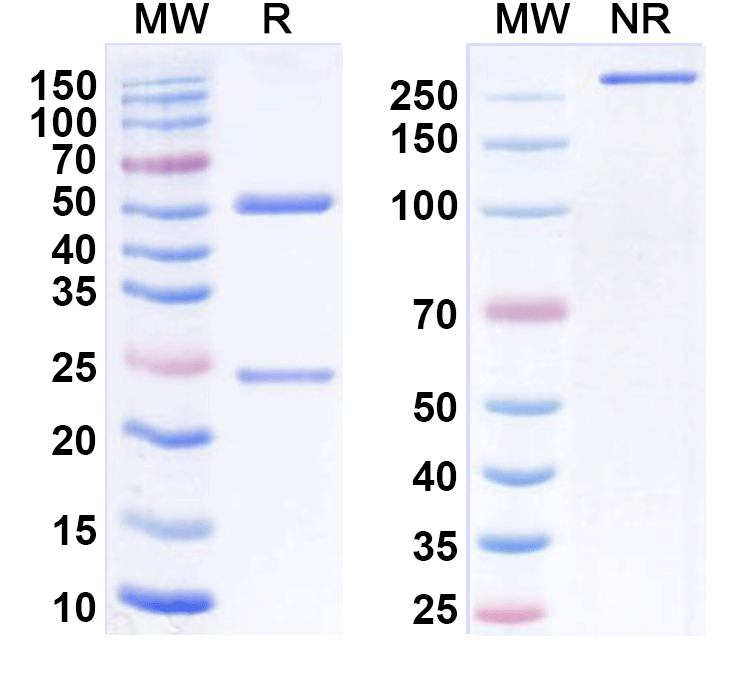
The Ulviprubart Biosimilar – Anti-CLEC15A mAb is a monoclonal antibody, meaning it is produced by a single clone of cells. It is a large protein molecule, composed of two heavy chains and two light chains, held together by disulfide bonds. The heavy chains are responsible for the antibody’s binding specificity, while the light chains help to stabilize its structure.
The structure of this biosimilar antibody is very similar to the original Ulviprubart antibody, as it is designed to mimic its activity. However, slight differences may exist due to the manufacturing process, which can affect the glycosylation pattern and overall structure of the antibody.
Activity of Ulviprubart Biosimilar – Anti-CLEC15A mAb
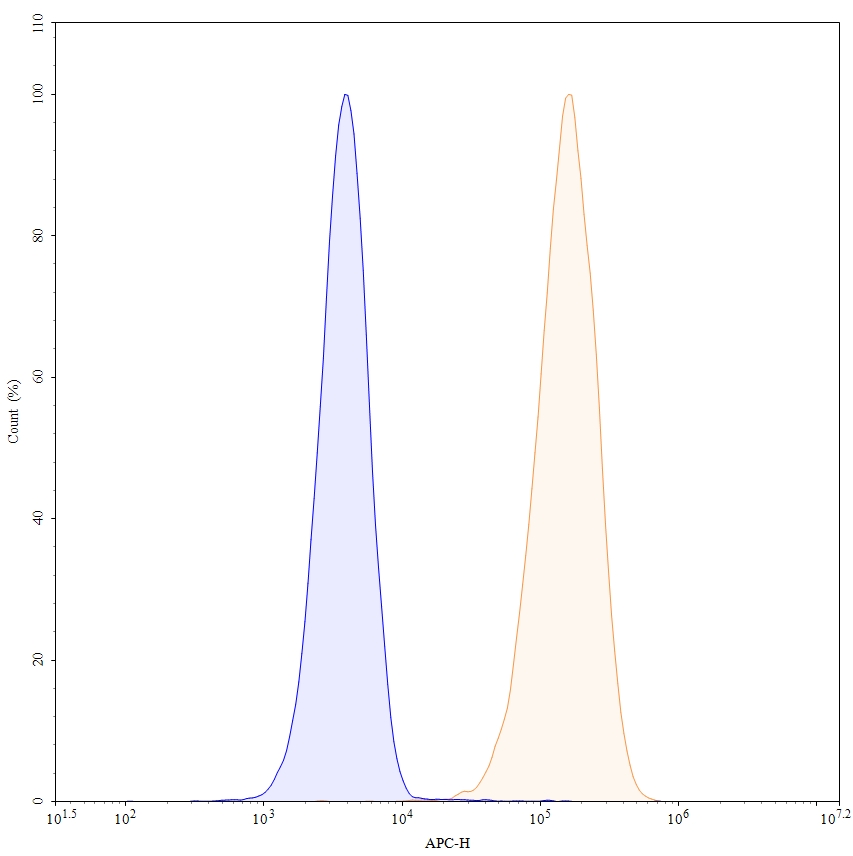
The main activity of Ulviprubart Biosimilar – Anti-CLEC15A mAb is to bind to CLEC15A, a protein that is found on the surface of certain cells in the body. This binding is highly specific, meaning that the antibody only recognizes and binds to CLEC15A and not to other proteins or molecules.
Once bound to CLEC15A, the antibody can elicit various immune responses, depending on the type of cell it is targeting. For example, in cancer cells, the antibody can trigger cell death or inhibit cell growth. In immune cells, it can activate or suppress certain pathways, leading to a modulation of the immune response.
Applications of Ulviprubart Biosimilar – Anti-CLEC15A mAb
Due to its ability to bind to CLEC15A and modulate immune responses, Ulviprubart Biosimilar – Anti-CLEC15A mAb has potential applications in various diseases. Some of these include:
- Cancer: CLEC15A has been identified as a therapeutic target in various types of cancer, including leukemia, lymphoma, and solid tumors. By targeting this protein, Ulviprubart Biosimilar – Anti-CLEC15A mAb has the potential to be used as a treatment for these cancers.
- Autoimmune diseases: CLEC15A has also been implicated in autoimmune diseases such as rheumatoid arthritis and multiple sclerosis. By modulating the immune response, Ulviprubart Biosimilar – Anti-CLEC15A mAb could potentially be used to treat these diseases.
- Inflammatory disorders: Inflammation plays a role in many diseases, and CLEC15A has been shown to be involved in the inflammatory response. Ulviprubart Biosimilar – Anti-CLEC15A mAb could potentially be used to treat inflammatory disorders such as asthma and inflammatory bowel disease.
Conclusion
In summary, Ulviprubart Biosimilar – Anti-CLEC15A mAb is a monoclonal antibody that specifically targets CLEC15A, a protein involved in various diseases. Its structure is similar to the original Ulviprubart antibody, and it has the ability to modulate immune responses. This biosimilar antibody has potential applications in cancer, autoimmune diseases, and inflammatory disorders, making it a promising therapeutic option for these conditions.

There are no reviews yet.