Introduction to Recombinant Human MIXL1 Protein
Recombinant Human MIXL1 Protein, also known as Mix-like homeodomain protein 1, is a recombinant protein that plays a crucial role in the development and differentiation of various cell types. It belongs to the Mix/Bix family of homeodomain transcription factors and is highly conserved across species, including humans, mice, and zebrafish. In this article, we will explore the structure, activity, and applications of Recombinant Human MIXL1 Protein.
Structure of Recombinant Human MIXL1 Protein
Recombinant Human MIXL1 Protein is a 27 kDa protein consisting of 241 amino acids. It contains a highly conserved homeodomain, which is a DNA-binding domain responsible for regulating gene expression. This homeodomain is located in the N-terminal region of the protein and is essential for its function. In addition to the homeodomain, Recombinant Human MIXL1 Protein also has a C-terminal domain that is involved in protein-protein interactions.
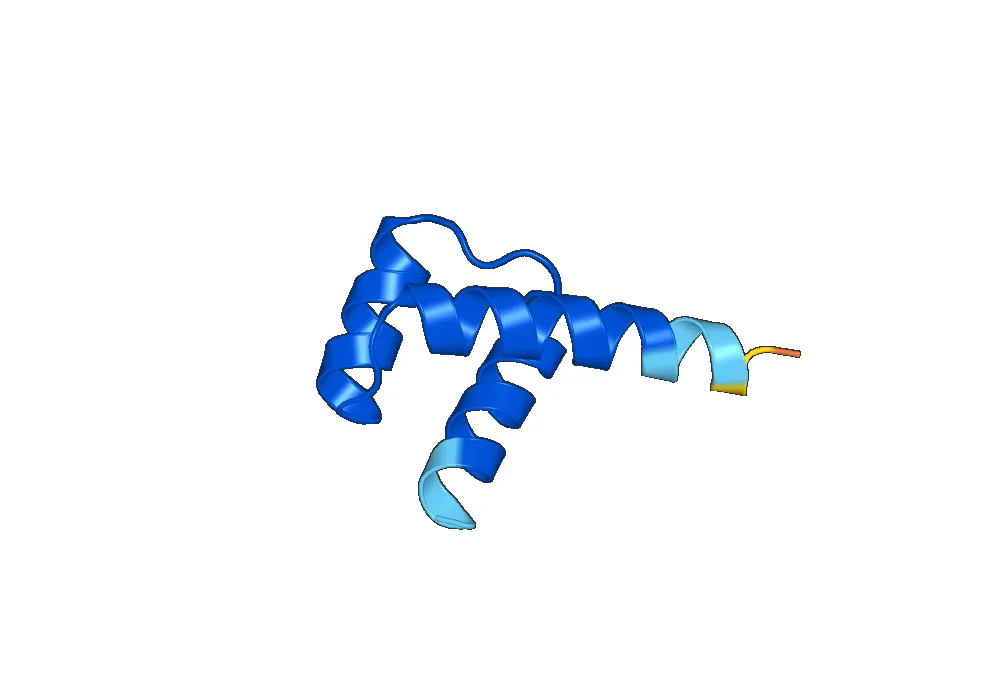
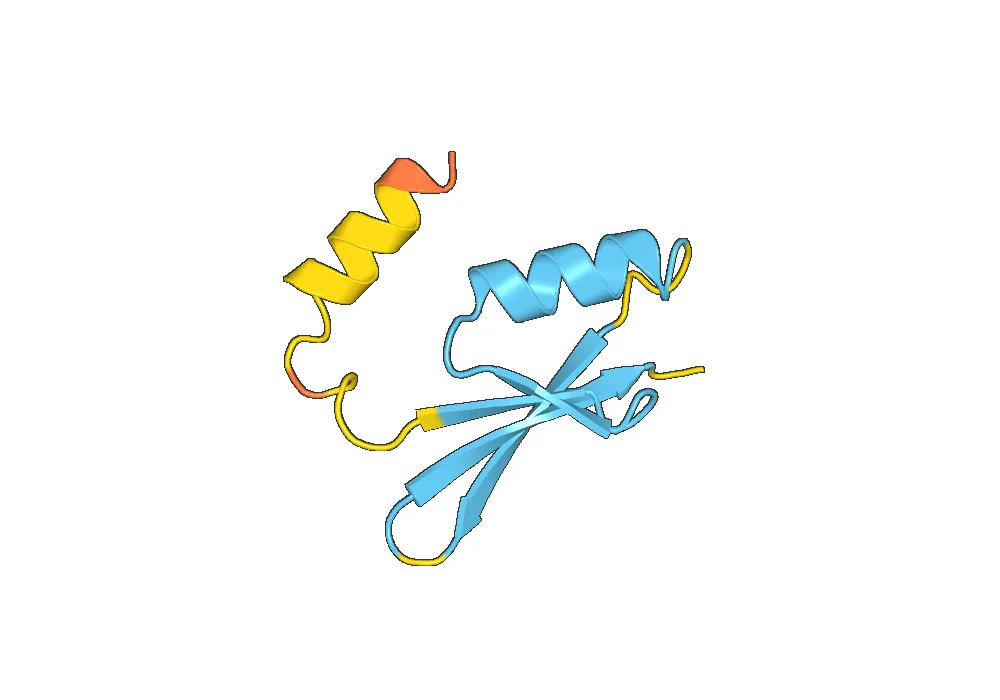
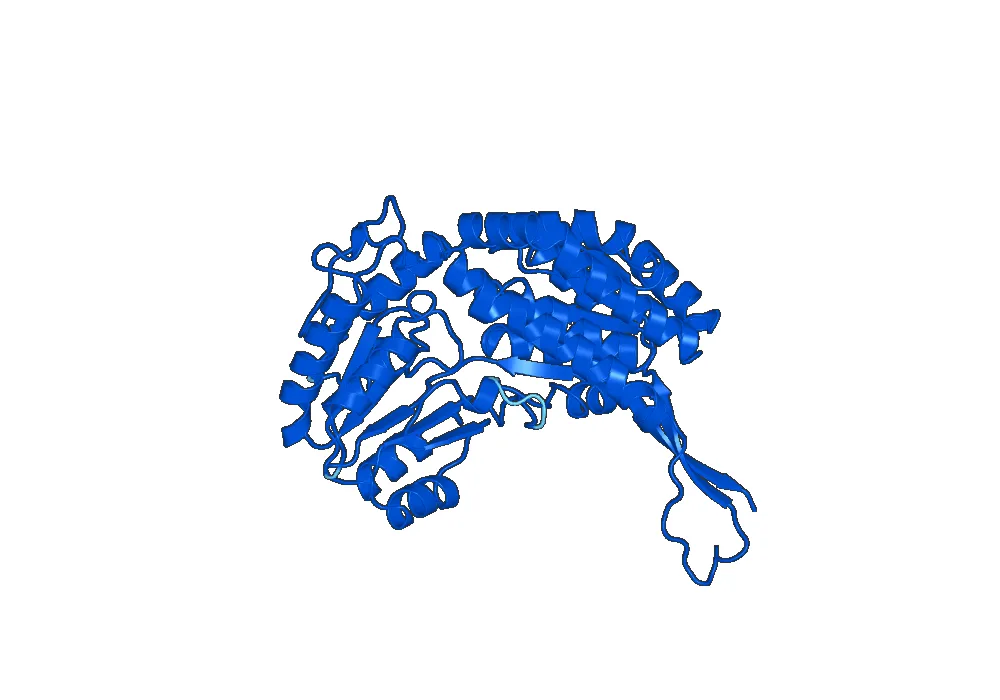
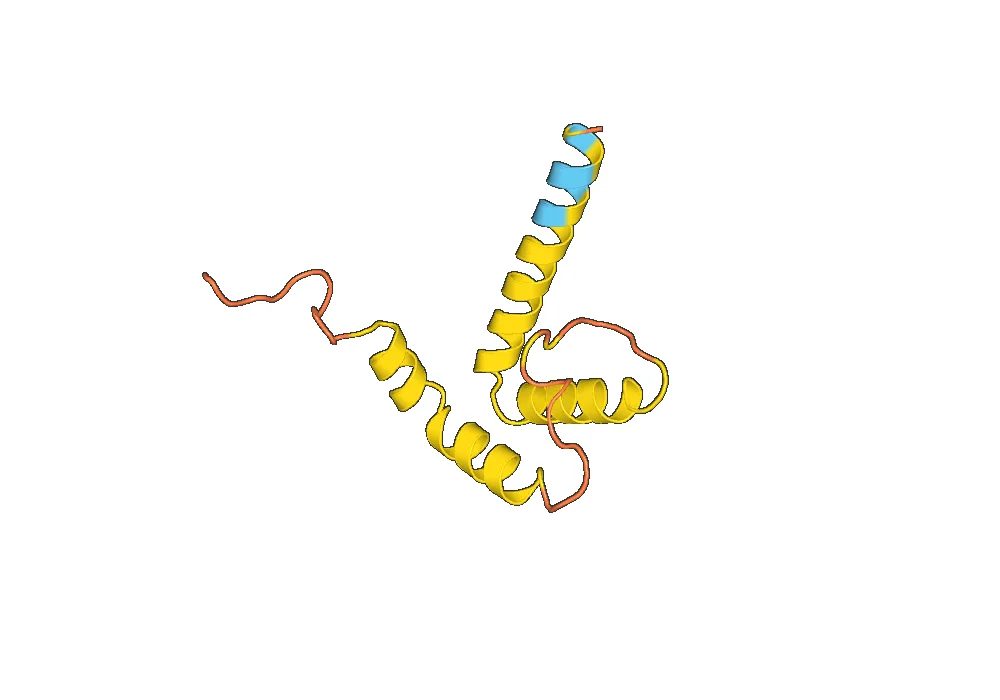
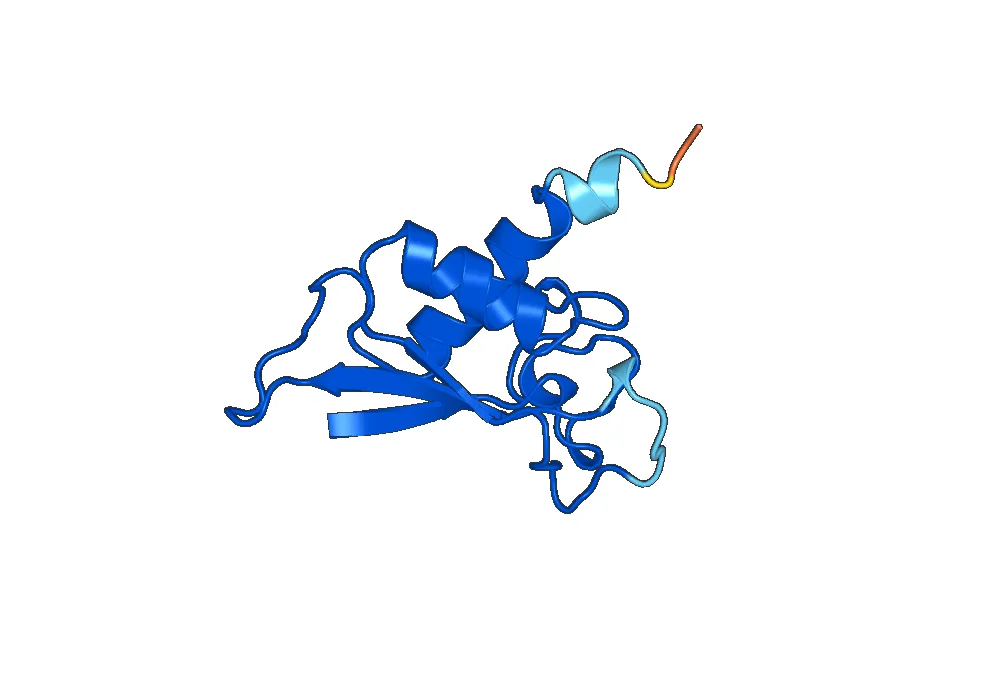
The crystal structure of Recombinant Human MIXL1 Protein has been determined, revealing a compact globular structure with a helix-turn-helix motif characteristic of homeodomain proteins. This structure allows Recombinant Human MIXL1 Protein to bind to specific DNA sequences and regulate the expression of target genes.
Activity of Recombinant Human MIXL1 Protein
Recombinant Human MIXL1 Protein is primarily involved in the development and differentiation of various cell types, including blood cells, muscle cells, and neurons. It is known to play a critical role in the formation of the mesoderm, which is one of the three primary germ layers in the early embryo. Recombinant Human MIXL1 Protein is expressed in the primitive streak, a structure that gives rise to the mesoderm, and is essential for its proper development.
In addition to its role in embryonic development, Recombinant Human MIXL1 Protein has been shown to play a crucial role in the differentiation of embryonic stem cells into mesoderm-derived cell types. It has also been implicated in the maintenance of hematopoietic stem cells, which are responsible for the continuous production of blood cells in the body.
Applications of Recombinant Human MIXL1 Protein
The unique structure and activity of Recombinant Human MIXL1 Protein make it a valuable tool for various research and therapeutic applications. One of the primary uses of this protein is in the study of embryonic development and cell differentiation. By manipulating the expression of Recombinant Human MIXL1 Protein, researchers can gain insights into the molecular mechanisms underlying these processes.
Recombinant Human MIXL1 Protein has also been used in the generation of induced pluripotent stem cells (iPSCs). These cells have the ability to differentiate into any cell type in the body, making them valuable for regenerative medicine and disease modeling. By adding Recombinant Human MIXL1 Protein to the culture media, researchers can enhance the efficiency of iPSC generation, making it a vital component in this process.
Furthermore, Recombinant Human MIXL1 Protein has potential therapeutic applications. It has been shown to promote the expansion and maintenance of hematopoietic stem cells, making it a potential treatment for blood disorders such as leukemia. It has also been studied as a potential treatment for spinal cord injuries, as it has been shown to promote the differentiation of neural progenitor cells into neurons.
Conclusion
In summary, Recombinant Human MIXL1 Protein is a crucial player in the development and differentiation of various cell types. Its unique structure and activity make it a valuable tool for research and therapeutic applications. As our understanding of this protein continues to grow, it is likely that we will uncover even more potential uses for Recombinant Human MIXL1 Protein in the future.

There are no reviews yet.