Introduction
Recombinant Human MKNK2 Protein, also known as MAP kinase-interacting serine/threonine-protein kinase 2, is a highly conserved protein that plays a crucial role in various cellular processes, including cell proliferation, differentiation, and survival. This protein is encoded by the MKNK2 gene and is a member of the MAP kinase family. Recombinant Human MKNK2 Protein is widely used in scientific research and has potential therapeutic applications due to its diverse functions and structural properties.
Structure of Recombinant Human MKNK2 Protein
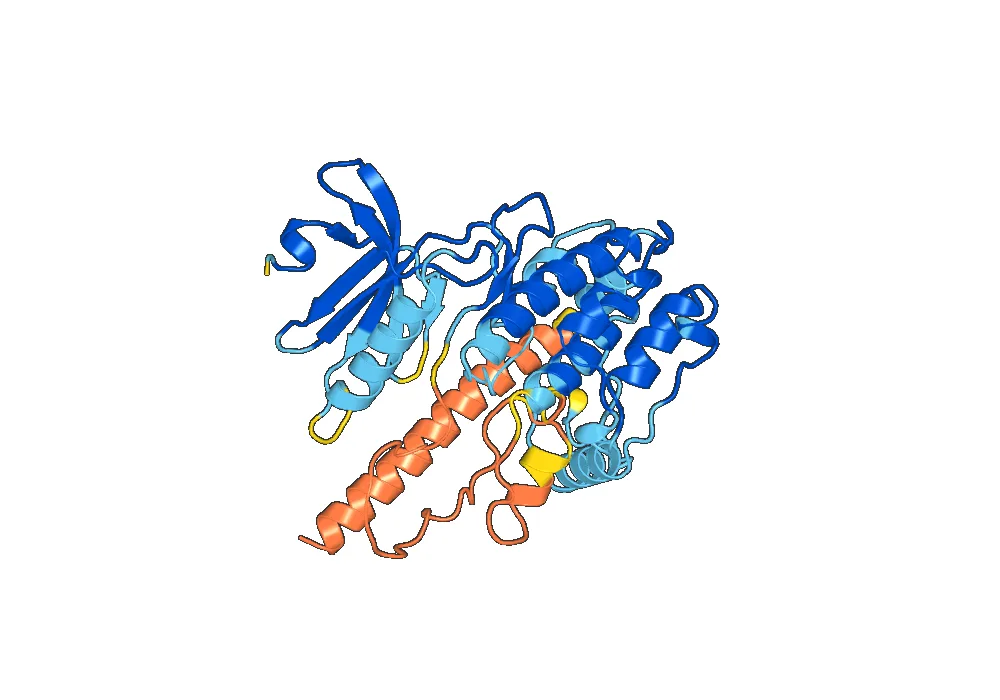
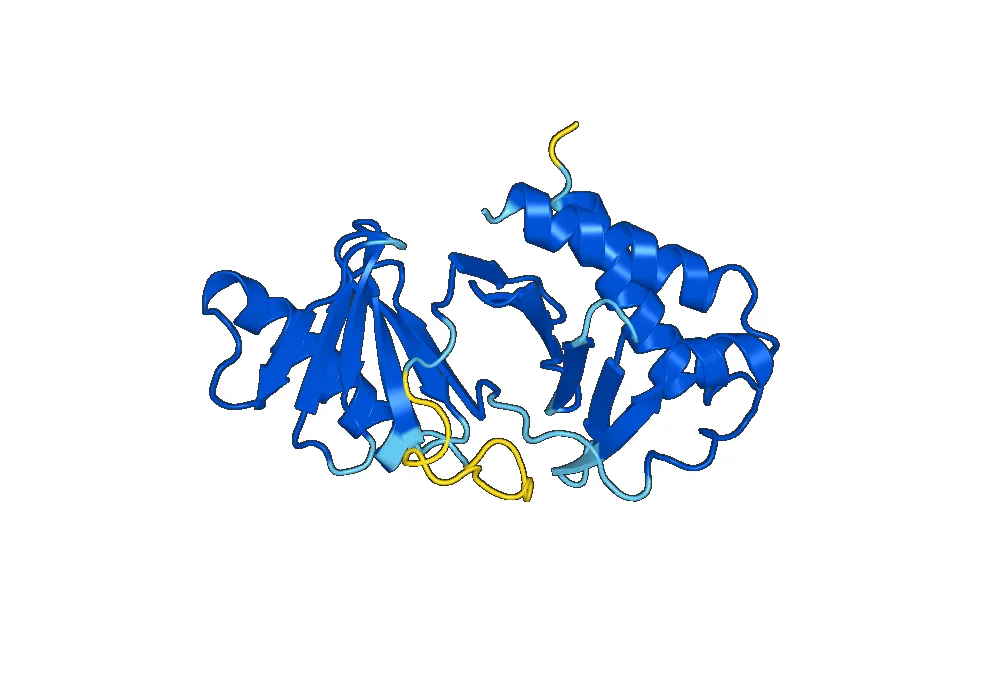
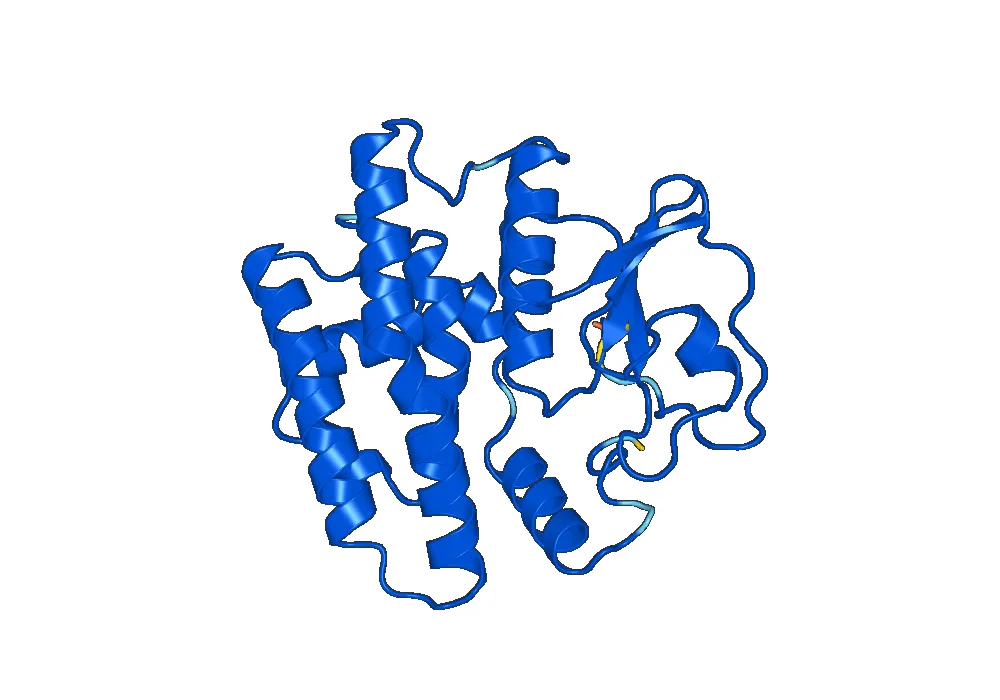
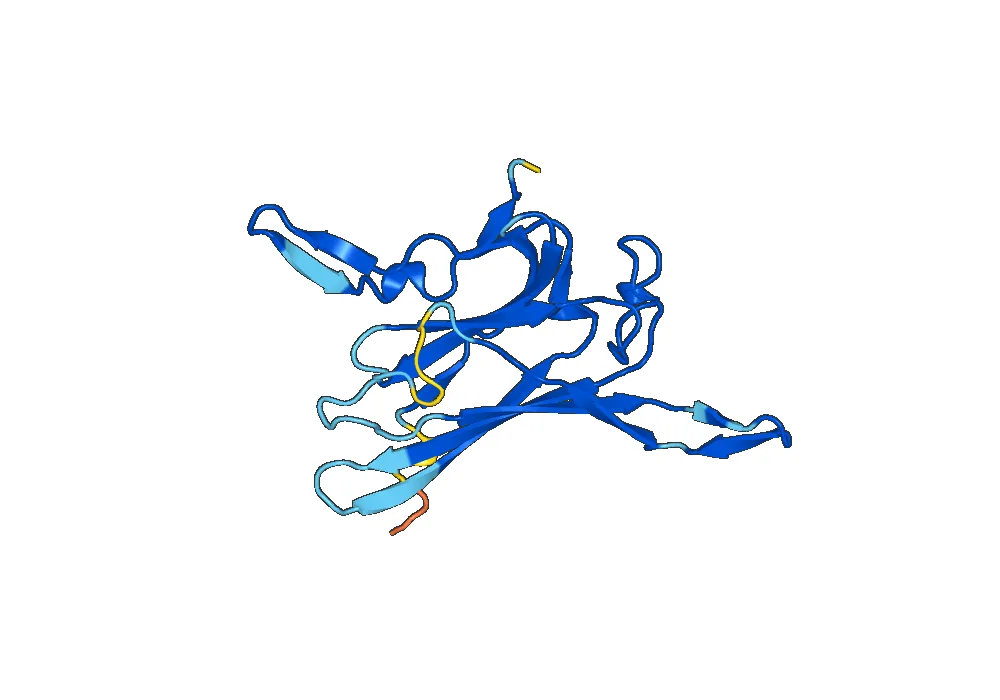
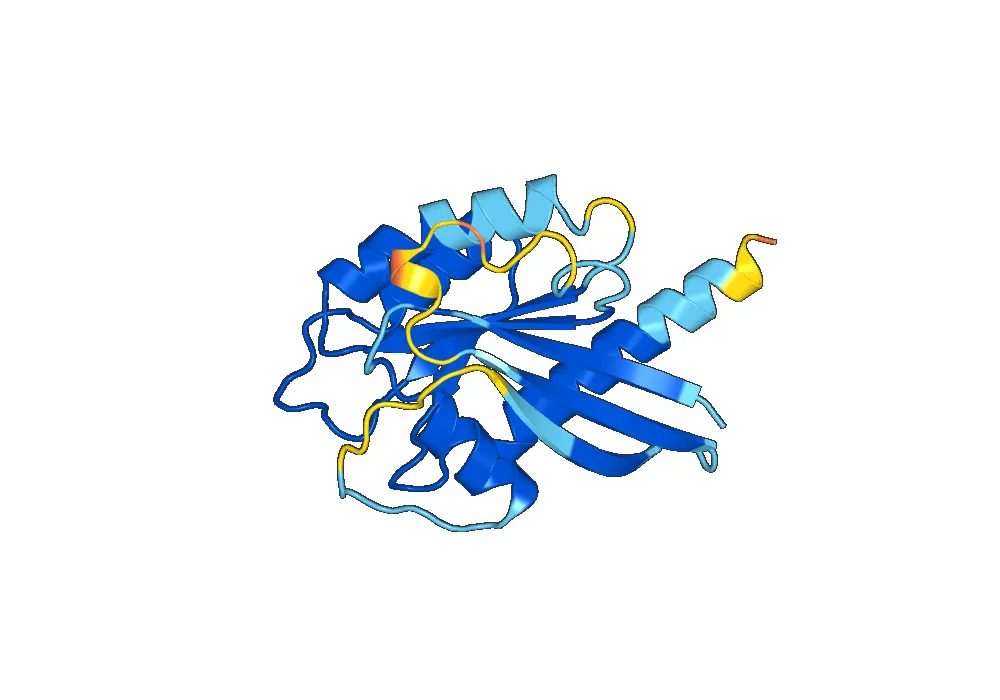
Recombinant Human MKNK2 Protein is a 436 amino acid protein with a molecular weight of approximately 49 kDa. It contains a catalytic domain at the N-terminus, followed by a linker region and a regulatory domain at the C-terminus. The catalytic domain of MKNK2 is highly conserved and contains the ATP binding site, which is essential for its kinase activity. The regulatory domain of MKNK2 consists of multiple phosphorylation sites, which regulate its activity and substrate specificity.
Activity of Recombinant Human MKNK2 Protein
Recombinant Human MKNK2 Protein is a serine/threonine protein kinase that is activated by the MAP kinase signaling pathway. Upon activation, MKNK2 phosphorylates its downstream targets, including eukaryotic translation initiation factor 4E (eIF4E) and eukaryotic elongation factor 2 kinase (eEF2K). Phosphorylation of eIF4E by MKNK2 promotes translation initiation, while phosphorylation of eEF2K inhibits translation elongation. This dual role of MKNK2 in regulating protein synthesis makes it a critical player in cellular processes such as cell growth, proliferation, and survival.
In addition to its role in protein synthesis, Recombinant Human MKNK2 Protein has been shown to regulate other cellular processes, including cell cycle progression, apoptosis, and cytoskeletal organization. MKNK2 has also been implicated in diseases such as cancer and neurodegeneration, highlighting its importance in maintaining cellular homeostasis.
Application of Recombinant Human MKNK2 Protein
Recombinant Human MKNK2 Protein has a wide range of applications in scientific research, particularly in the fields of cancer biology and neurobiology. Its role in regulating protein synthesis makes it a valuable tool for studying the mechanisms of translation control and its dysregulation in diseases such as cancer.
One of the major applications of Recombinant Human MKNK2 Protein is in the development of potential therapeutic interventions. Due to its involvement in various cellular processes, MKNK2 has been identified as a potential drug target for diseases such as cancer and neurodegeneration. Inhibitors of MKNK2 have been shown to have anti-tumor effects in preclinical studies, making it a promising target for cancer therapy.
Moreover, Recombinant Human MKNK2 Protein has also been used in drug discovery and development. Its kinase activity and substrate specificity make it an ideal candidate for screening and identifying potential inhibitors or activators of the MAP kinase signaling pathway.
Conclusion
In summary, Recombinant Human MKNK2 Protein is a highly conserved protein with diverse functions and structural properties. Its role in regulating protein synthesis and cellular processes makes it a crucial player in maintaining cellular homeostasis. With its wide range of applications in scientific research and potential therapeutic interventions, Recombinant Human MKNK2 Protein continues to be a valuable tool in understanding the complex mechanisms of cellular signaling and disease progression.

There are no reviews yet.