Introduction
Recombinant Human MXD1 Protein, also known as Max dimerization protein 1, is a transcription factor that plays a crucial role in the regulation of cell proliferation, differentiation and apoptosis. It belongs to the Myc superfamily of basic helix-loop-helix (bHLH) transcription factors and is involved in various cellular processes, including cell cycle control, DNA damage response, and tumor suppression.
Structure
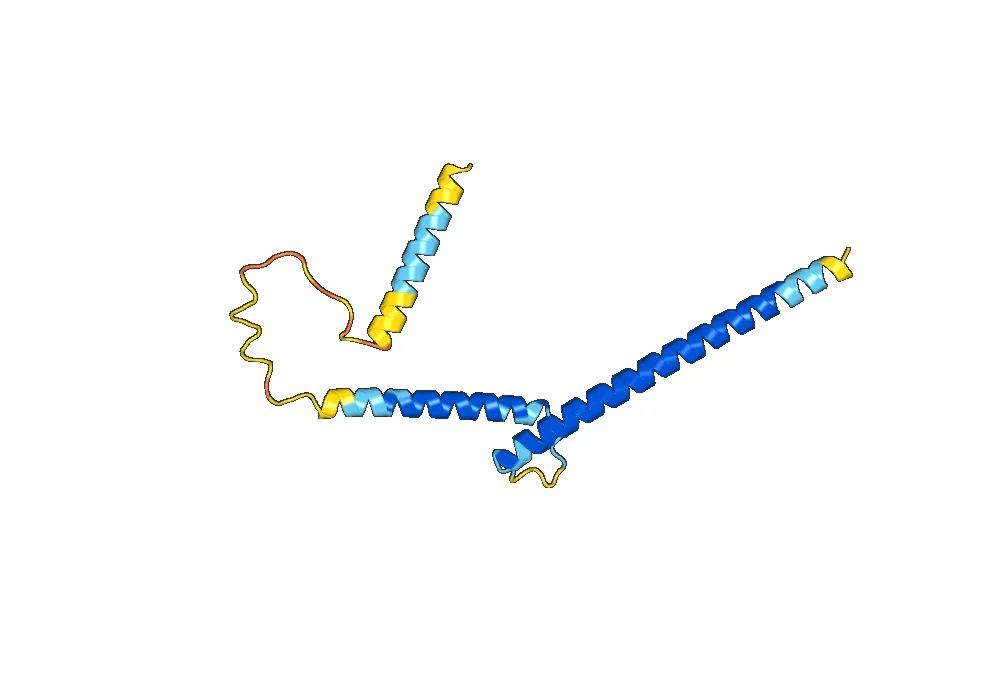
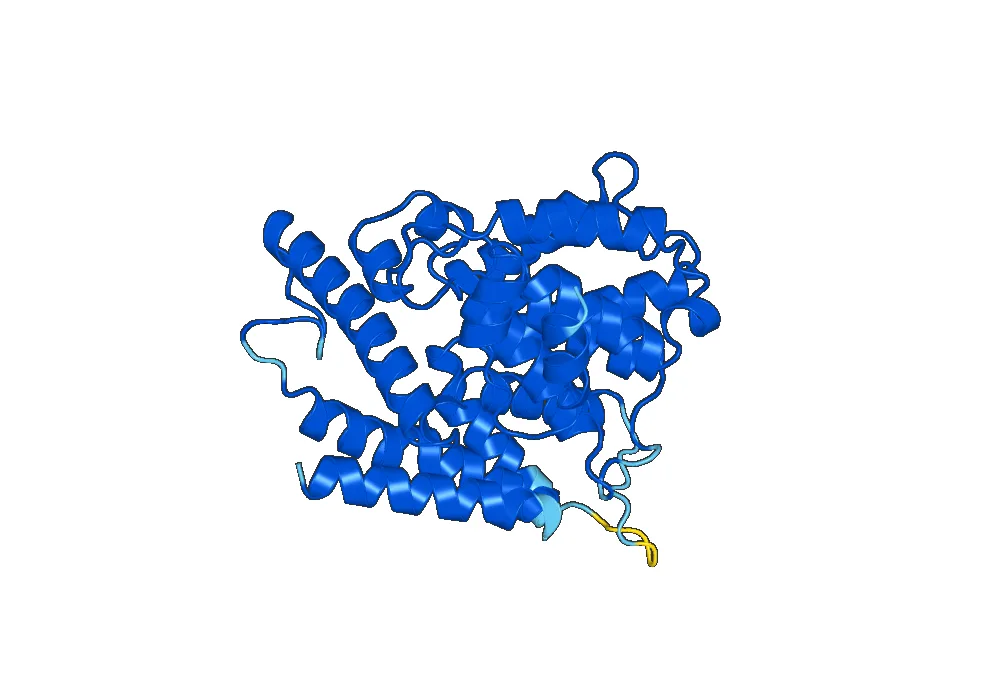
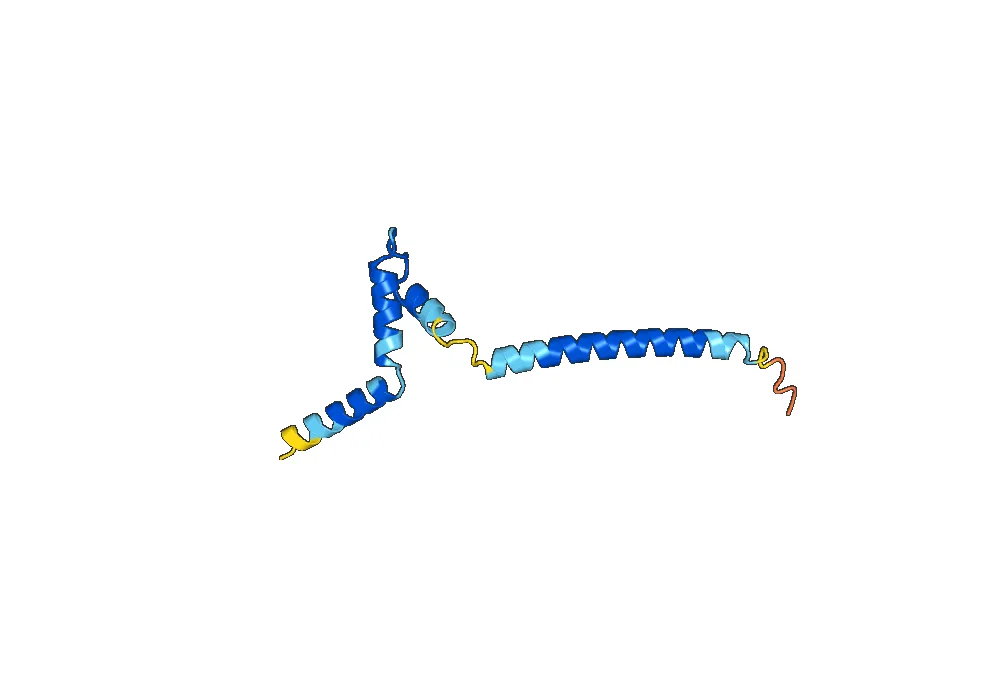
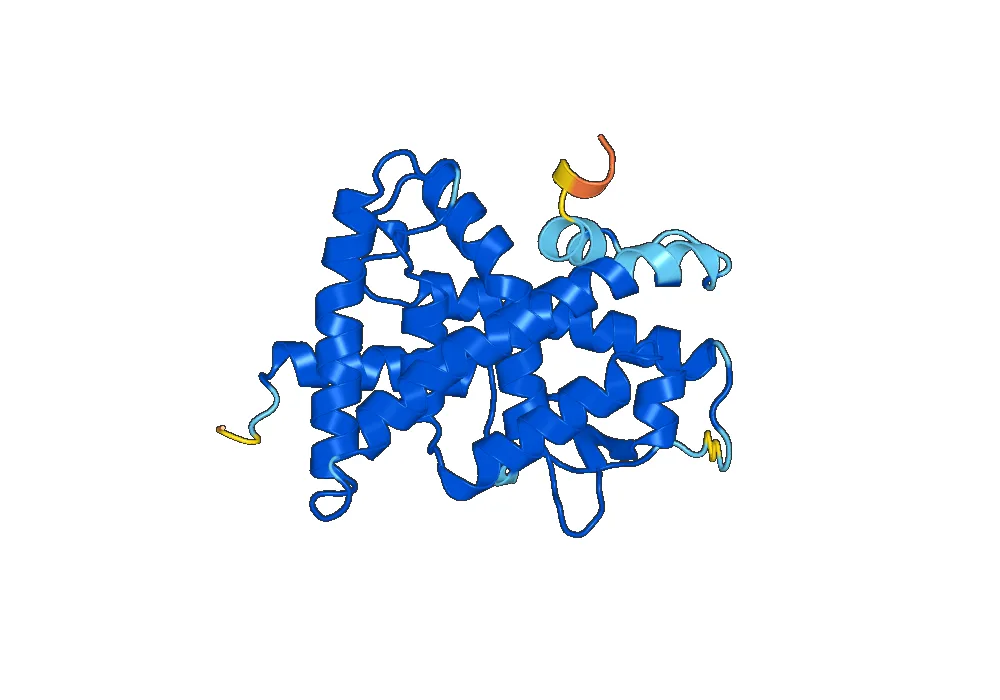
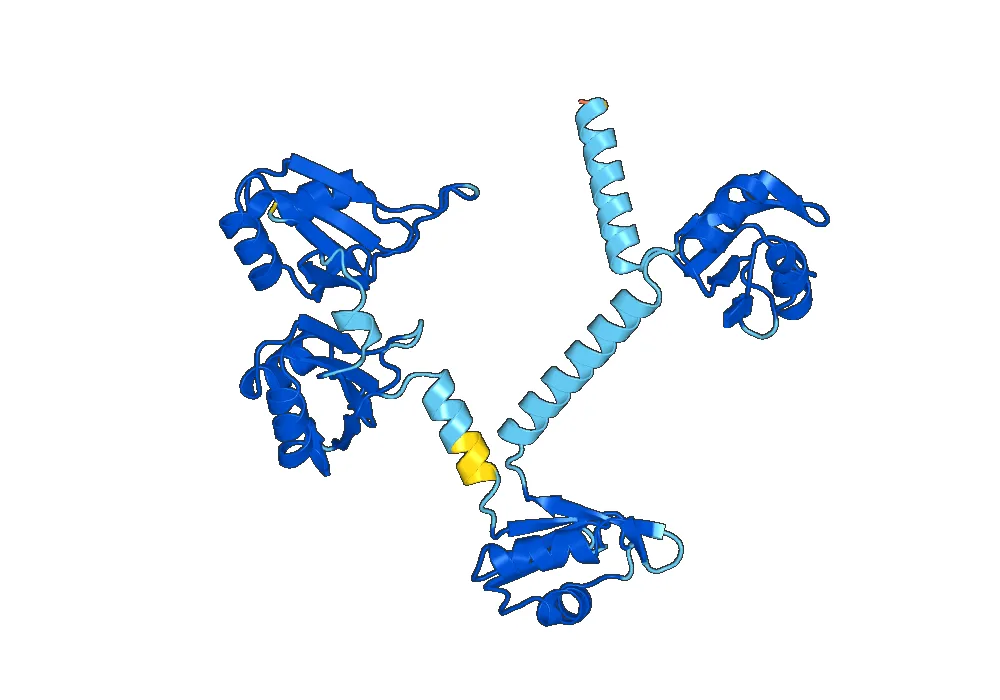
The human MXD1 gene is located on chromosome 2 at position 2p21 and consists of 2 exons that encode a 190 amino acid protein. The protein has a molecular weight of approximately 21 kDa and contains a bHLH domain, which is responsible for its DNA binding and dimerization with other bHLH proteins. MXD1 also has a leucine zipper motif, which is essential for protein-protein interactions and transcriptional regulation.
Activity
MXD1 acts as a transcriptional repressor by forming heterodimers with other bHLH proteins, such as Max, Mad, and Mnt. These heterodimers bind to specific DNA sequences, known as E-boxes, and regulate the expression of target genes involved in cell growth and differentiation. MXD1 is a negative regulator of the Myc oncogene, which is known to promote cell proliferation and tumorigenesis. By binding to Myc, MXD1 inhibits its transcriptional activity and suppresses cell growth.
In addition to its role in transcriptional regulation, MXD1 also plays a critical role in the DNA damage response. It is upregulated in response to DNA damage and is involved in the activation of the tumor suppressor protein p53. MXD1 binds to p53 and enhances its transcriptional activity, leading to the induction of cell cycle arrest and apoptosis. This function of MXD1 is essential for maintaining genomic stability and preventing the development of cancer.
Application
Recombinant Human MXD1 Protein has various applications in both research and therapeutic settings. Its role in transcriptional regulation and DNA damage response makes it a valuable tool for studying cellular processes and disease mechanisms. MXD1 has been extensively studied in the context of cancer, and its dysregulation has been linked to various types of cancer, including breast, lung, and colon cancer. Therefore, understanding the function of MXD1 can provide insights into the development and progression of these diseases.
In addition, recombinant MXD1 protein can be used in drug discovery and development. As a transcriptional repressor, MXD1 has the potential to be targeted for the treatment of cancer. By inhibiting its activity, the expression of oncogenes, such as Myc, can be suppressed, leading to decreased cell proliferation and tumor growth. Furthermore, the ability of MXD1 to enhance the activity of p53 makes it a promising target for the development of novel cancer therapies.
Recombinant MXD1 protein can also be used in diagnostic assays for cancer. Its dysregulation in cancer cells can serve as a biomarker for early detection and monitoring of disease progression. Additionally, MXD1 can be used as an antigen for the development of antibodies and diagnostic tests to detect its levels in patient samples.
Conclusion
In conclusion, Recombinant Human MXD1 Protein is a crucial transcription factor involved in the regulation of cell growth and differentiation. Its structure, activity, and applications make it a valuable tool for understanding cellular processes and developing novel cancer therapies. Further research on MXD1 is necessary to fully elucidate its role in disease and its potential as a therapeutic target.

There are no reviews yet.