Introduction
Recombinant proteins have become an essential tool in the field of biotechnology and medicine. These proteins are produced by cloning and expressing specific genes in host cells, allowing for large-scale production of pure and functional proteins. One such recombinant protein is Human NINJ1, which has gained significant attention due to its potential therapeutic applications. In this article, we will explore the structure, activity, and application of Recombinant Human NINJ1 Protein.
Structure of Recombinant Human NINJ1 Protein
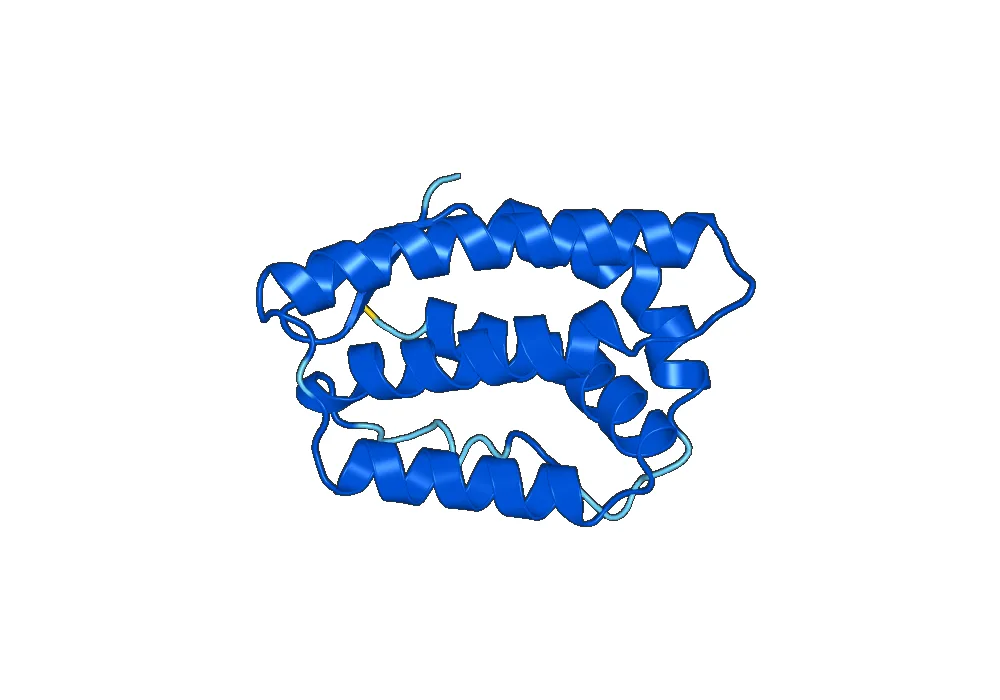
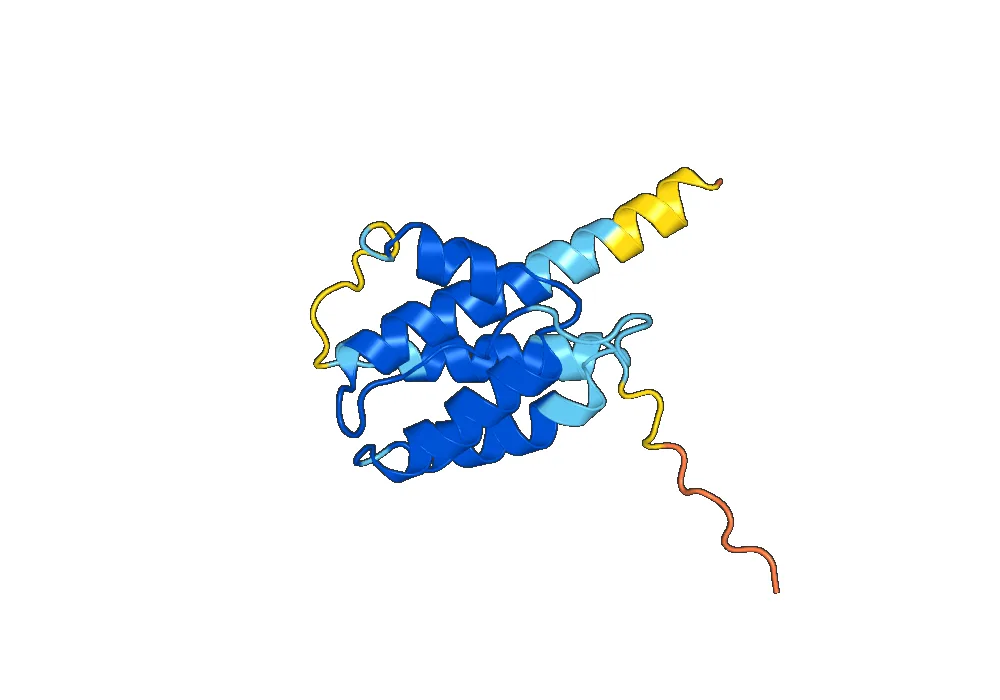
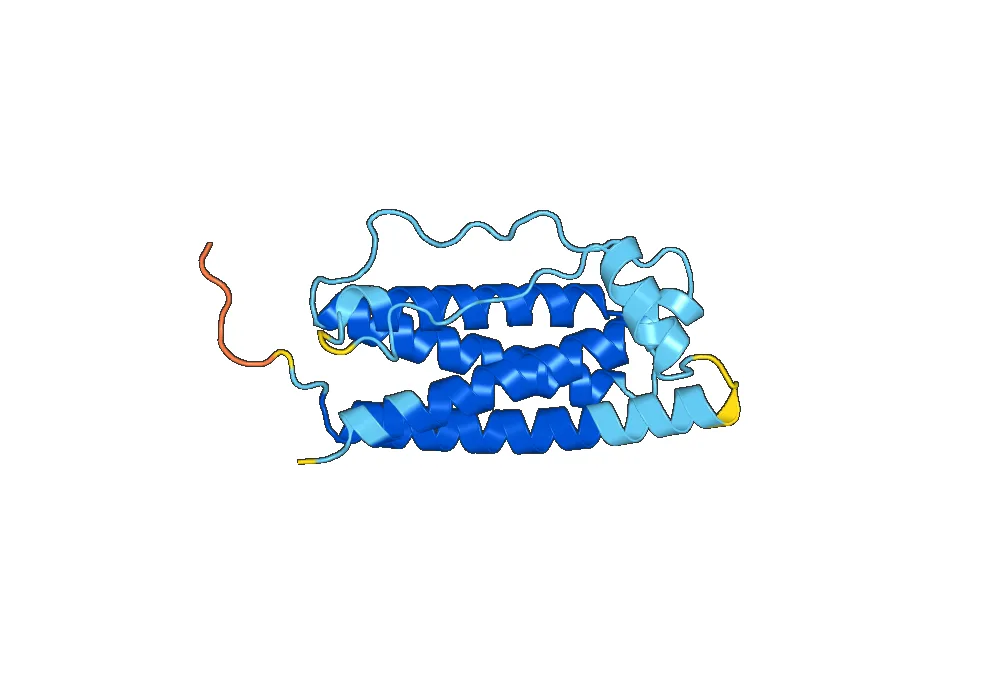
Human NINJ1 (Nerve Injury-Induced Protein 1) is a member of the NINJ family of proteins, which are involved in neuronal development and regeneration. The recombinant form of Human NINJ1 is produced by cloning and expressing the NINJ1 gene in a suitable host cell, such as E. coli or mammalian cells. The protein consists of 192 amino acids and has a molecular weight of approximately 22 kDa. It contains a signal peptide at the N-terminus, a conserved NINJ domain, and a C-terminal PDZ-binding motif. The NINJ domain is responsible for the protein’s biological activity, while the PDZ-binding motif allows for interactions with other proteins.
Activity of Recombinant Human NINJ1 Protein
Recombinant Human NINJ1 Protein has been shown to have multiple activities, making it a promising candidate for various therapeutic applications. One of its main functions is promoting neuronal survival and axonal growth. Studies have demonstrated that NINJ1 can protect neurons from cell death and stimulate axonal outgrowth in both in vitro and in vivo models. This activity is crucial for nerve regeneration after injury and has potential implications for treating neurodegenerative diseases.
Additionally, NINJ1 has been found to have anti-inflammatory properties. It can inhibit the production of pro-inflammatory cytokines and reduce the activation of inflammatory cells. This activity is significant in conditions such as spinal cord injury, where inflammation can exacerbate tissue damage.
Moreover, NINJ1 has been shown to enhance the formation of new blood vessels, a process known as angiogenesis. This activity is essential for tissue repair and regeneration, making NINJ1 a potential therapeutic agent for conditions such as wound healing and ischemic diseases.
Application of Recombinant Human NINJ1 Protein
The diverse activities of Recombinant Human NINJ1 Protein make it a promising candidate for various therapeutic applications. One of the most significant potential uses of NINJ1 is in nerve regeneration after injury. Studies have shown that NINJ1 can promote axonal growth and protect neurons from cell death, making it a potential treatment for spinal cord injury, stroke, and other nerve injuries.
Furthermore, the anti-inflammatory properties of NINJ1 make it a potential therapeutic agent for conditions such as multiple sclerosis, where inflammation plays a significant role in disease progression. NINJ1 can also be used to promote angiogenesis and tissue repair, making it a potential treatment for conditions such as diabetic ulcers and cardiovascular diseases.
Aside from its therapeutic applications, Recombinant Human NINJ1 Protein also has potential uses in research. It can be used as an antigen to produce specific antibodies for studying NINJ1’s role in neuronal development and regeneration. Additionally, NINJ1 can be used as a tool to investigate the interactions between different proteins through its PDZ-binding motif.
Conclusion
In summary, Recombinant Human NINJ1 Protein is a promising therapeutic agent



There are no reviews yet.