Introduction
Recombinant proteins are proteins that are produced through genetic engineering techniques, allowing for the production of large quantities of specific proteins with high purity and activity. These proteins have a wide range of applications in various fields, including medicine, biotechnology, and research. One such protein is Recombinant Human PPT1 Protein, which has gained significant attention for its potential therapeutic applications. In this article, we will discuss the structure, activity, and application of Recombinant Human PPT1 Protein in detail.
Structure of Recombinant Human PPT1 Protein
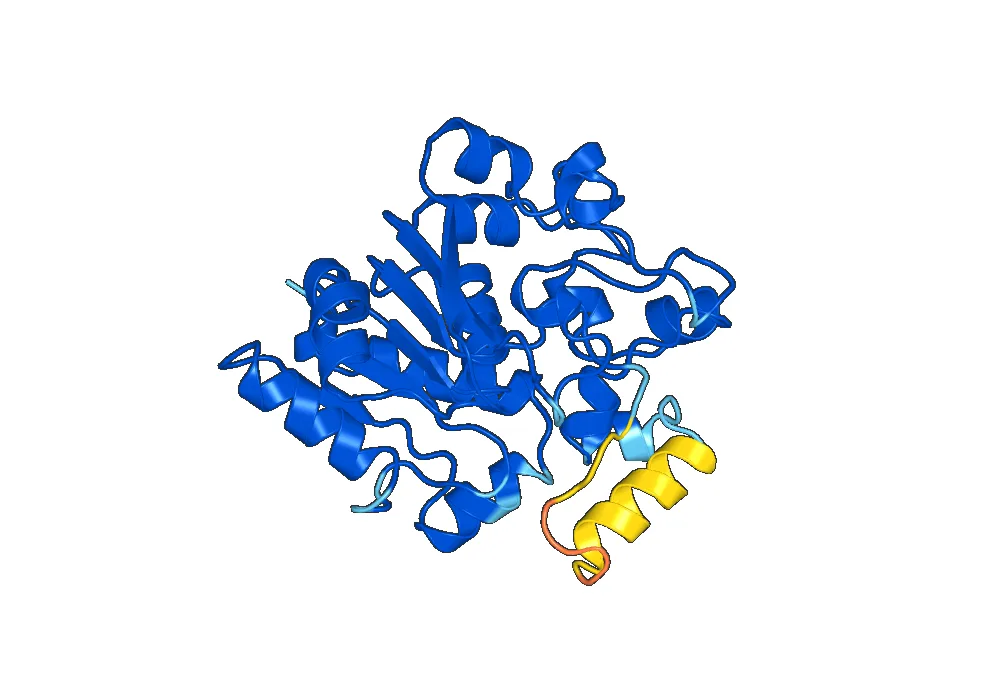
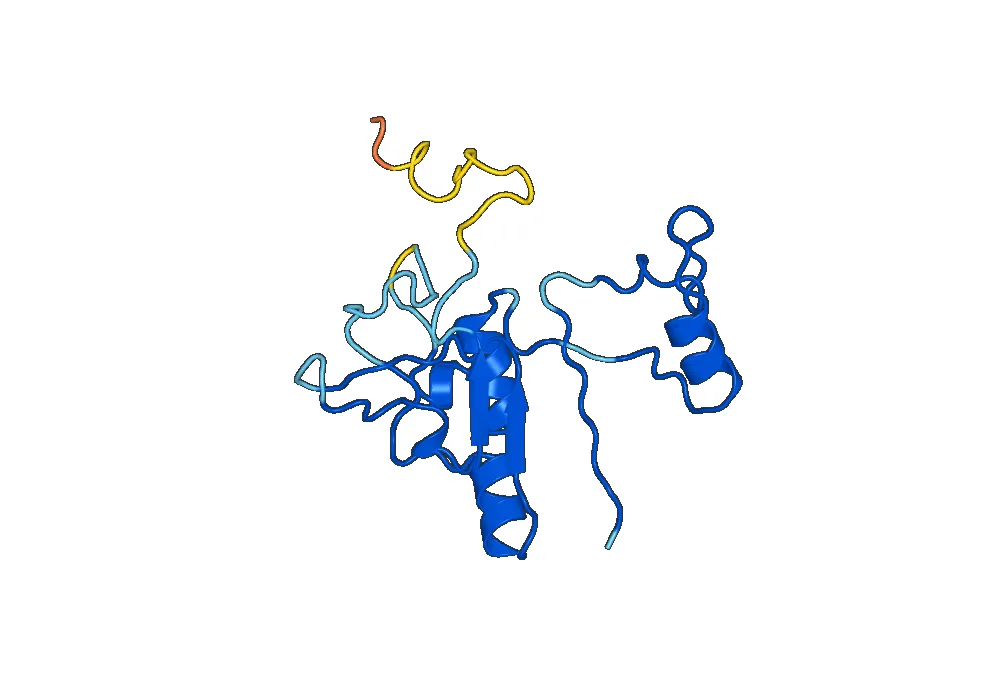
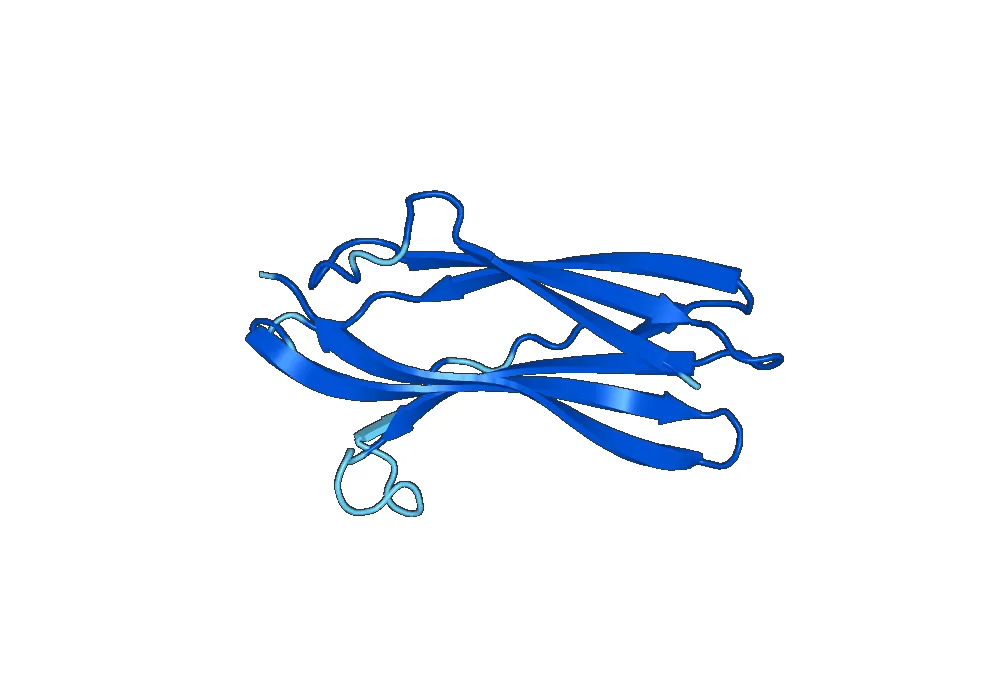
Recombinant Human PPT1 Protein, also known as Palmitoyl-protein thioesterase 1, is a 306 amino acid long protein that belongs to the palmitoyl-protein thioesterase family. It is encoded by the PPT1 gene located on chromosome 1. The protein contains a conserved catalytic domain, which is essential for its enzymatic activity. The crystal structure of Recombinant Human PPT1 Protein has been determined, revealing a globular structure with a central hydrophobic cavity that accommodates the enzyme’s active site.
Activity of Recombinant Human PPT1 Protein
Recombinant Human PPT1 Protein is a lysosomal enzyme that plays a crucial role in the degradation of lipid-modified proteins. It catalyzes the cleavage of thioester bonds between palmitic acid and cysteine residues in proteins, resulting in the release of free fatty acids and cysteine. This activity is crucial for maintaining the correct levels of palmitoylated proteins in the cell, which are involved in various cellular processes, including intracellular signaling, membrane trafficking, and protein-protein interactions.
Defects in the PPT1 gene, leading to a deficiency of Recombinant Human PPT1 Protein, have been linked to a rare neurodegenerative disorder called Infantile Neuronal Ceroid Lipofuscinosis (INCL). This disorder is characterized by the accumulation of lipofuscin, a pigment made up of lipid-containing residues, in the brain and other tissues. Studies have shown that Recombinant Human PPT1 Protein can effectively reduce the levels of lipofuscin in cells and animal models of INCL, making it a potential therapeutic target for this disorder.
Application of Recombinant Human PPT1 Protein
The potential therapeutic applications of Recombinant Human PPT1 Protein extend beyond INCL. Studies have also shown that this protein can be used to treat other neurodegenerative disorders, such as Alzheimer’s disease and Parkinson’s disease, which are characterized by the accumulation of misfolded proteins in the brain. Recombinant Human PPT1 Protein has been shown to enhance the clearance of these misfolded proteins, thereby reducing their toxic effects on neurons.
In addition, Recombinant Human PPT1 Protein has been investigated for its potential role in cancer therapy. It has been found that this protein can inhibit the growth and proliferation of cancer cells by regulating the levels of palmitoylated proteins involved in cell signaling pathways. This makes it a promising target for the development of novel anti-cancer therapies.
Furthermore, Recombinant Human PPT1 Protein has been utilized in research studies to understand the role of palmitoylation in various cellular processes. Its enzymatic activity has been crucial in identifying and characterizing palmitoylated proteins and their functions, providing valuable insights into the complex mechanisms of cellular signaling and regulation.
Conclusion
Recombinant Human PPT1 Protein is a crucial enzyme with various potential applications in medicine and research. Its structure and activity have been extensively studied, and its therapeutic potential has been demonstrated in various disorders. As research in this field

There are no reviews yet.