Introduction
Recombinant Human PROX1 is a protein that plays a crucial role in the development and maintenance of various tissues and organs in the human body. It is a transcription factor that regulates the expression of genes involved in cell differentiation, proliferation, and survival. This protein has garnered significant interest in the scientific community due to its potential applications in various fields, including cancer research, tissue engineering, and regenerative medicine.
Structure of Recombinant Human PROX1
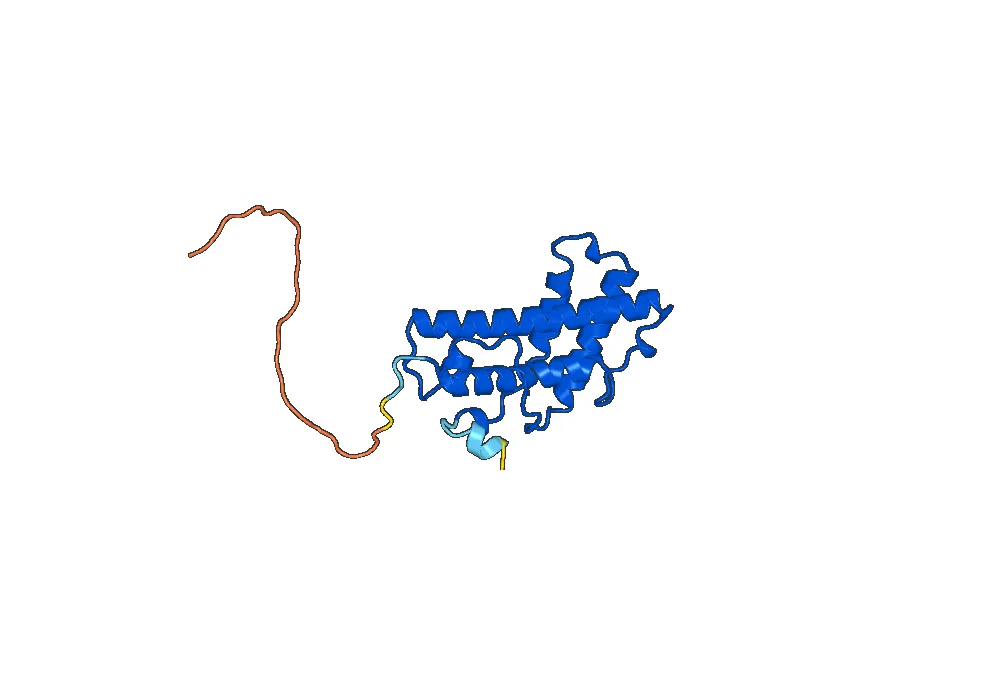
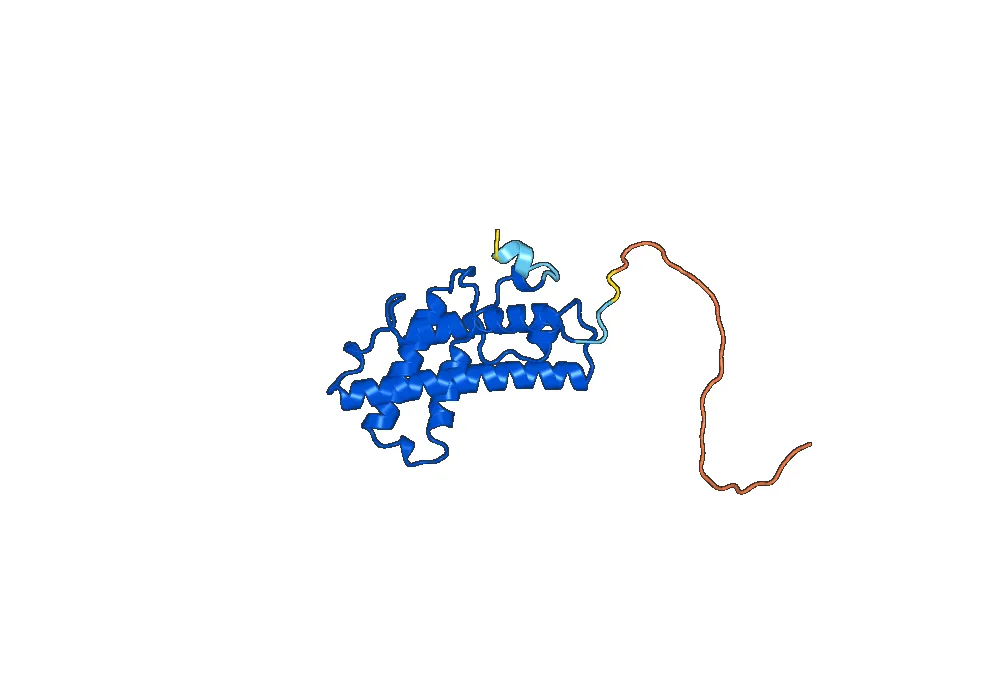
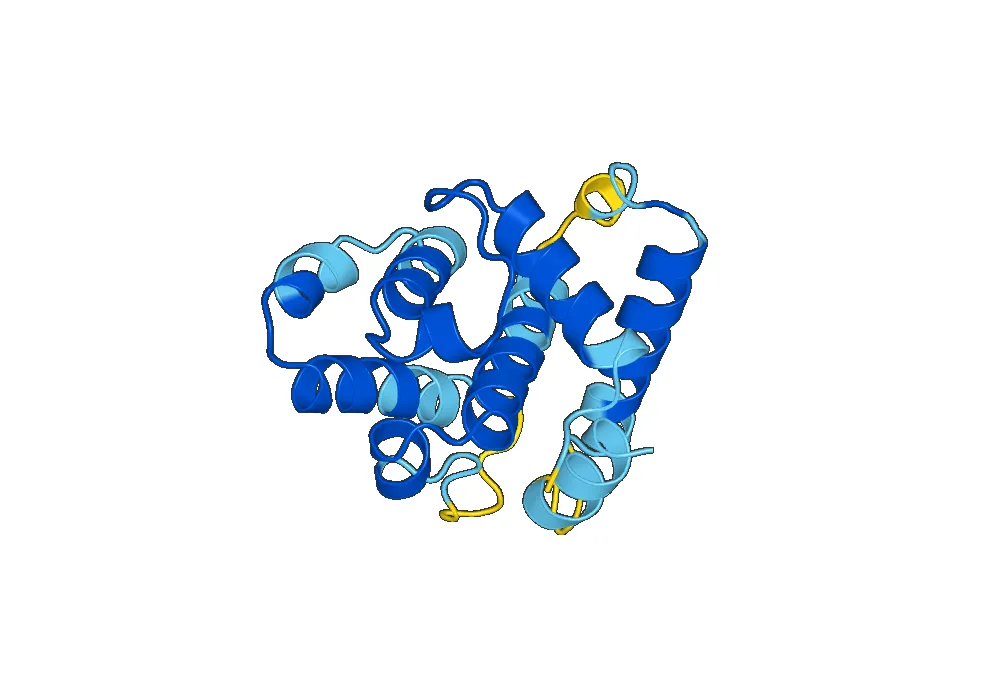
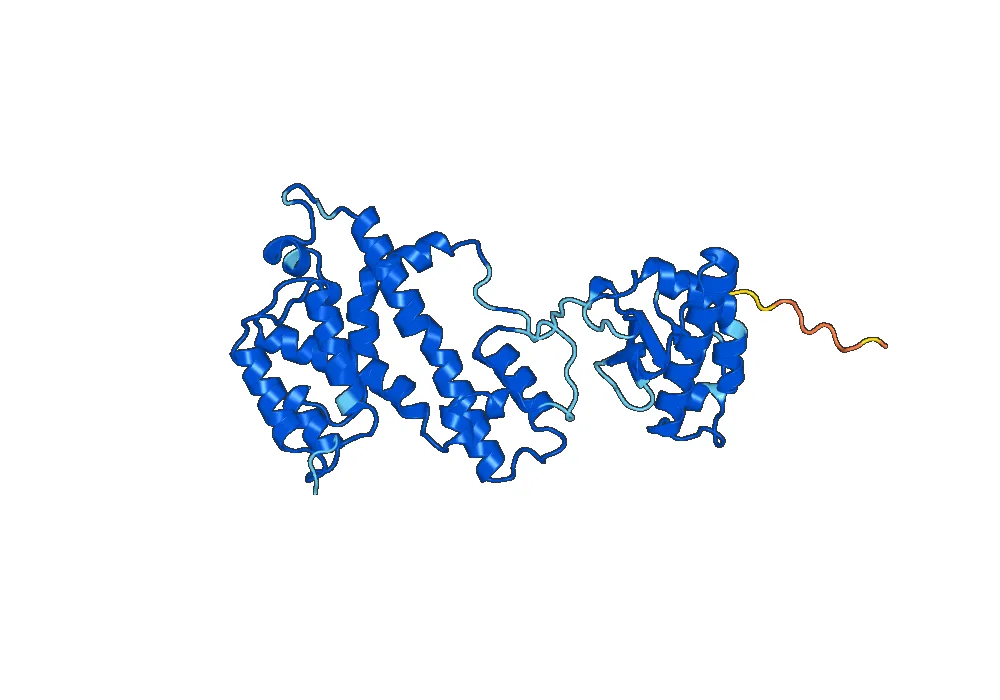
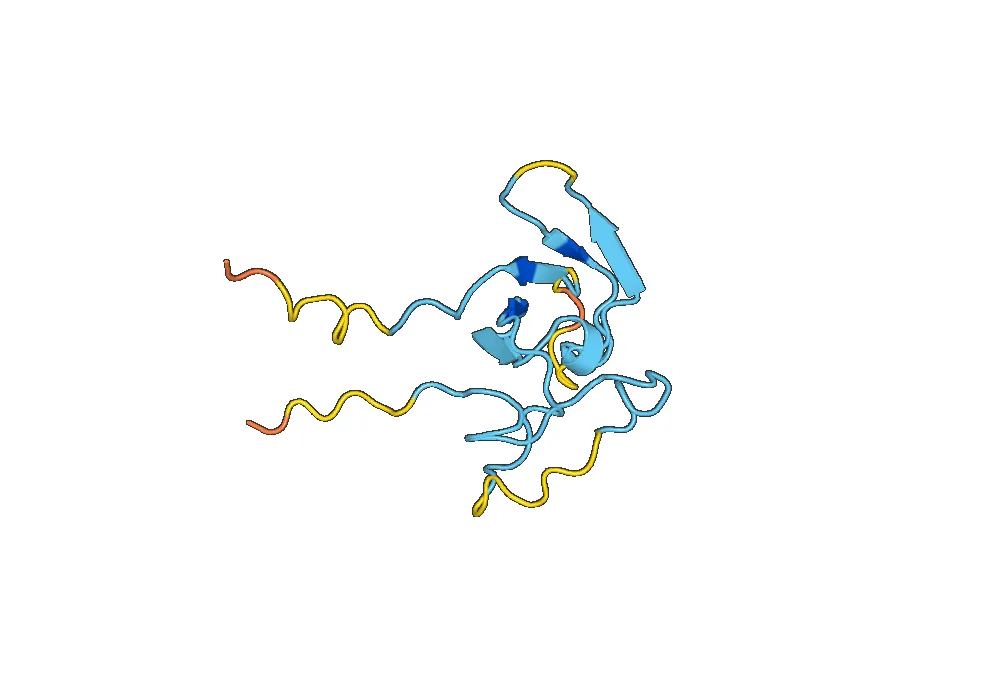
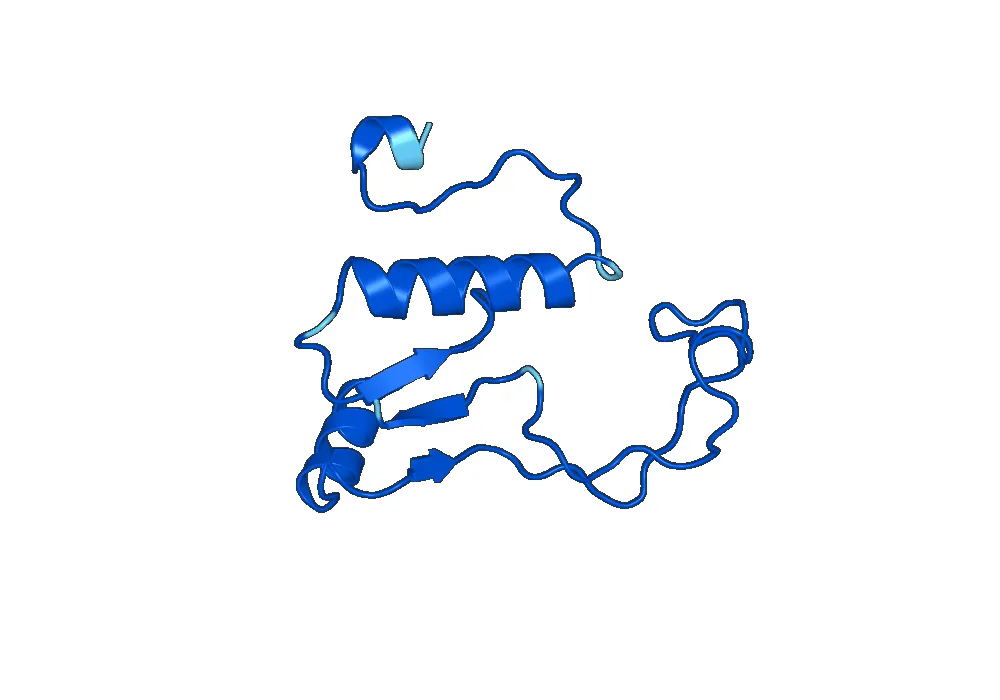
Recombinant Human PROX1 is a 75 kDa protein that is composed of 737 amino acids. It belongs to the prospero homeobox family of transcription factors and contains a highly conserved DNA-binding homeodomain. This domain is responsible for the protein’s ability to bind to specific DNA sequences and regulate gene expression. Additionally, PROX1 has two proline-rich regions that are important for protein-protein interactions, allowing it to interact with other proteins and form complexes.
Activity of Recombinant Human PROX1
The main function of PROX1 is to regulate gene expression by binding to specific DNA sequences and either activating or repressing the transcription of target genes. It has been shown to play a crucial role in the development of several tissues and organs, including the liver, lymphatic system, and central nervous system. In the liver, PROX1 is involved in the differentiation of hepatocytes and bile duct cells, while in the lymphatic system, it is essential for the formation and maintenance of lymphatic vessels. In the central nervous system, PROX1 is responsible for the development and survival of neurons.
In addition to its role in development, PROX1 has also been implicated in various diseases. Research has shown that alterations in PROX1 expression or function can contribute to the development of cancer, particularly in the liver, breast, and prostate. This protein has also been linked to diabetic retinopathy, where it plays a role in the formation of new blood vessels in the retina.
Applications of Recombinant Human PROX1
Recombinant Human PROX1 has numerous potential applications in various fields of research and medicine. One of its most promising applications is in cancer research, where it can serve as a potential therapeutic target. By understanding the role of PROX1 in cancer development, researchers can develop targeted therapies that can inhibit its activity and potentially stop the growth and spread of cancer cells.
Another potential application of PROX1 is in tissue engineering and regenerative medicine. As PROX1 is involved in the development and maintenance of various tissues and organs, it can potentially be used to promote tissue regeneration and repair damaged tissues. For example, in the liver, PROX1 could be used to stimulate the differentiation of hepatocytes from stem cells, allowing for the regeneration of liver tissue in patients with liver disease.
Furthermore, PROX1 can also be used as a diagnostic marker for various diseases. As its expression is altered in cancer and other diseases, measuring PROX1 levels in patient samples could potentially aid in early detection and diagnosis of these conditions.
Conclusion
In summary, Recombinant Human PROX1 is a crucial protein with diverse functions in development, disease, and potential applications in various fields. Its structure and activity make it a promising target for cancer therapy and a potential tool for tissue engineering and regenerative medicine. Further research on this protein is needed to fully understand its role in human health and disease, and to explore its potential in various applications.

There are no reviews yet.