Introduction
The Recombinant Human RAD51AP1 Protein, also known as RAD51-associated protein 1, is a highly conserved protein that plays a crucial role in DNA repair and maintenance of genomic stability. It is a member of the RAD51-interacting protein (RAD51IP) family and is involved in homologous recombination, a key mechanism for repairing DNA double-strand breaks. In this article, we will discuss the structure, activity, and application of this important recombinant protein.
Structure of Recombinant Human RAD51AP1 Protein
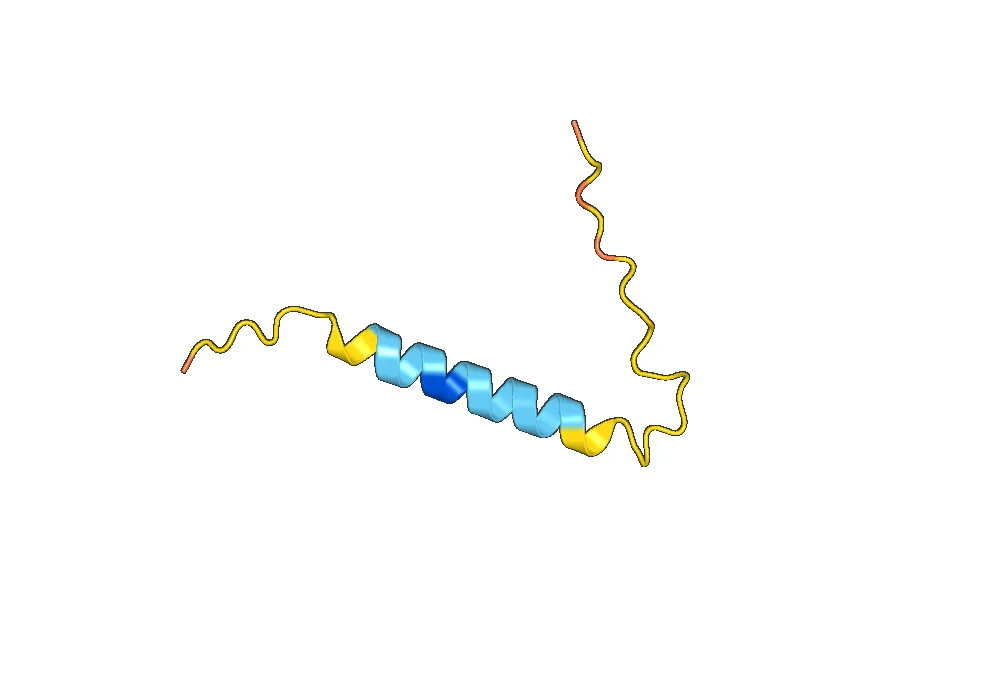
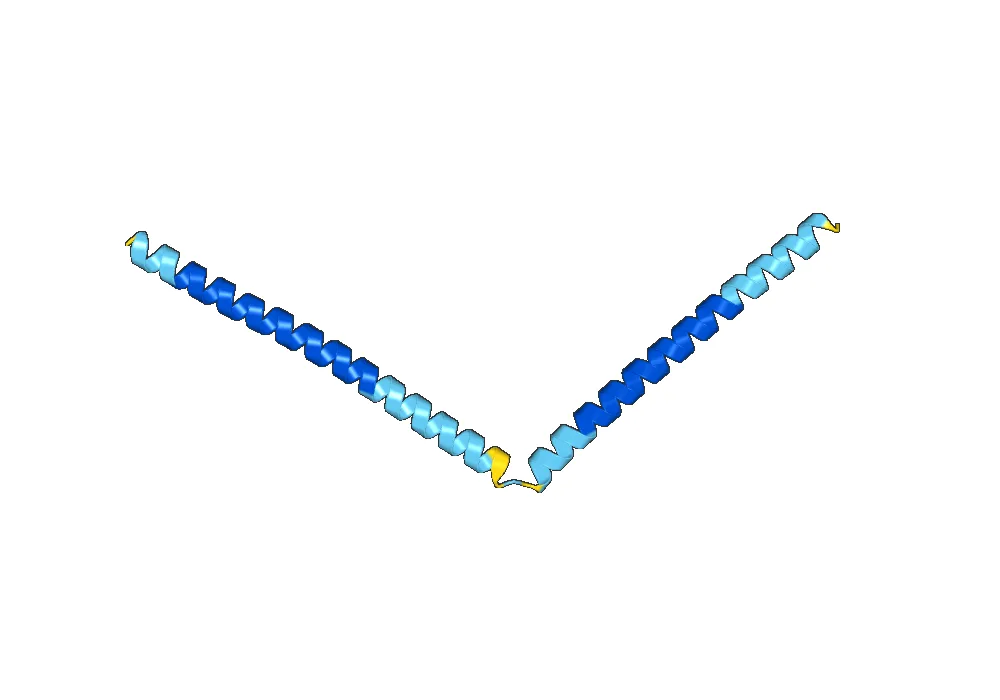
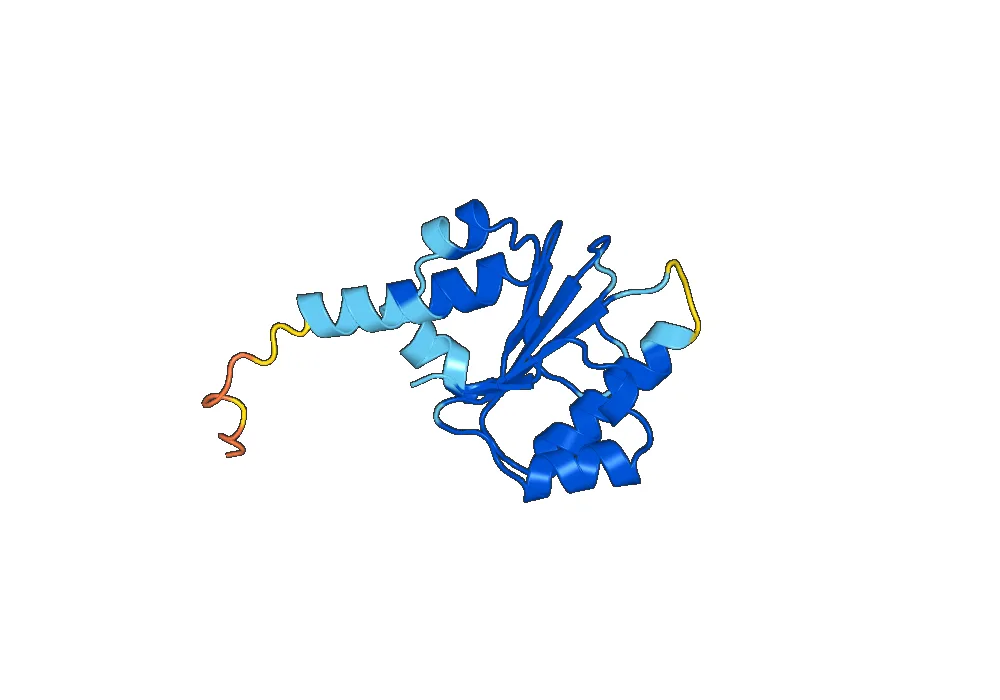
The human RAD51AP1 gene is located on chromosome 14 and encodes for a 383 amino acid protein. The protein consists of three domains: an N-terminal domain, a central coiled-coil domain, and a C-terminal domain. The N-terminal domain is responsible for binding to RAD51, a key protein involved in homologous recombination, while the coiled-coil domain is essential for protein-protein interactions. The C-terminal domain contains a BRCA2 binding motif, which is important for the recruitment of RAD51AP1 to sites of DNA damage.
Activity of Recombinant Human RAD51AP1 Protein
The main function of RAD51AP1 is to promote the formation of RAD51 nucleoprotein filaments, which are crucial for the initiation of homologous recombination. This process involves the exchange of genetic information between two DNA molecules, and it is essential for repairing DNA double-strand breaks, replication fork collapse, and other types of DNA damage. RAD51AP1 achieves this by stabilizing the interaction between RAD51 and single-stranded DNA, which is a key step in the formation of the nucleoprotein filament. Additionally, RAD51AP1 has been shown to enhance the catalytic activity of RAD51, further promoting the efficiency of homologous recombination.
Application of Recombinant Human RAD51AP1 Protein
Due to its crucial role in DNA repair, RAD51AP1 has been the subject of extensive research in the field of cancer biology. Mutations in the RAD51AP1 gene have been linked to an increased risk of breast, ovarian, and prostate cancers. Additionally, dysregulation of RAD51AP1 expression has been observed in various types of cancer, suggesting its potential as a diagnostic and prognostic biomarker. Recombinant Human RAD51AP1 Protein has also been used in studies to investigate the mechanisms of homologous recombination and its role in maintaining genomic stability.
Recombinant Human RAD51AP1 Protein as an Antigen
In addition to its role in DNA repair, RAD51AP1 has also been identified as a potential antigen for cancer immunotherapy. Antigens are substances that can elicit an immune response, and they are often used in cancer vaccines to stimulate the body’s immune system to target and destroy cancer cells. Studies have shown that RAD51AP1 is overexpressed in several types of cancer, making it a promising target for cancer immunotherapy. Recombinant Human RAD51AP1 Protein can be used to develop vaccines that specifically target RAD51AP1, potentially providing a more effective and targeted treatment for cancer patients.
Conclusion
The Recombinant Human RAD51AP1 Protein is a crucial component of the homologous recombination pathway and plays a vital role in maintaining genomic stability. Its structure, activity, and potential applications in cancer research make it a subject of great interest in the scientific community. Further research on this protein may provide valuable insights into the mechanisms of DNA repair and potential therapeutic targets for cancer treatment.
</

There are no reviews yet.