Title: Introduction to Recombinant Human SLC22A5 Protein
Recombinant human SLC22A5 protein, also known as the organic cation transporter 2 (OCT2), is a membrane protein that plays a crucial role in the transport of organic cations across cell membranes. This protein is encoded by the SLC22A5 gene and is primarily expressed in the kidney, liver, and brain. Recombinant human SLC22A5 protein is widely used in research and clinical applications due to its structural and functional properties.
Structure of Recombinant Human SLC22A5 Protein
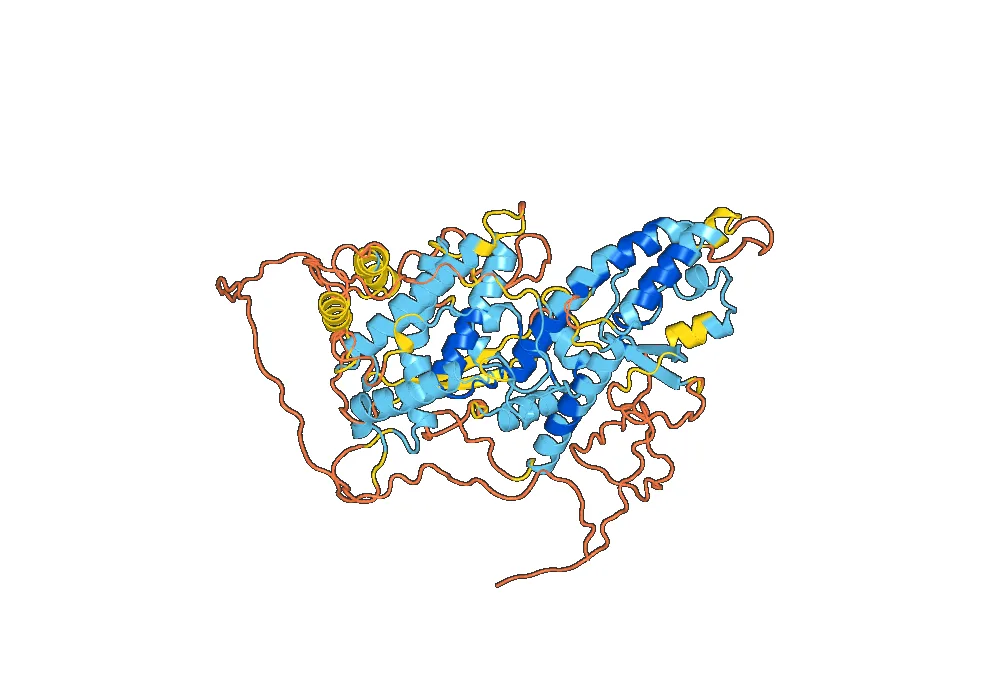
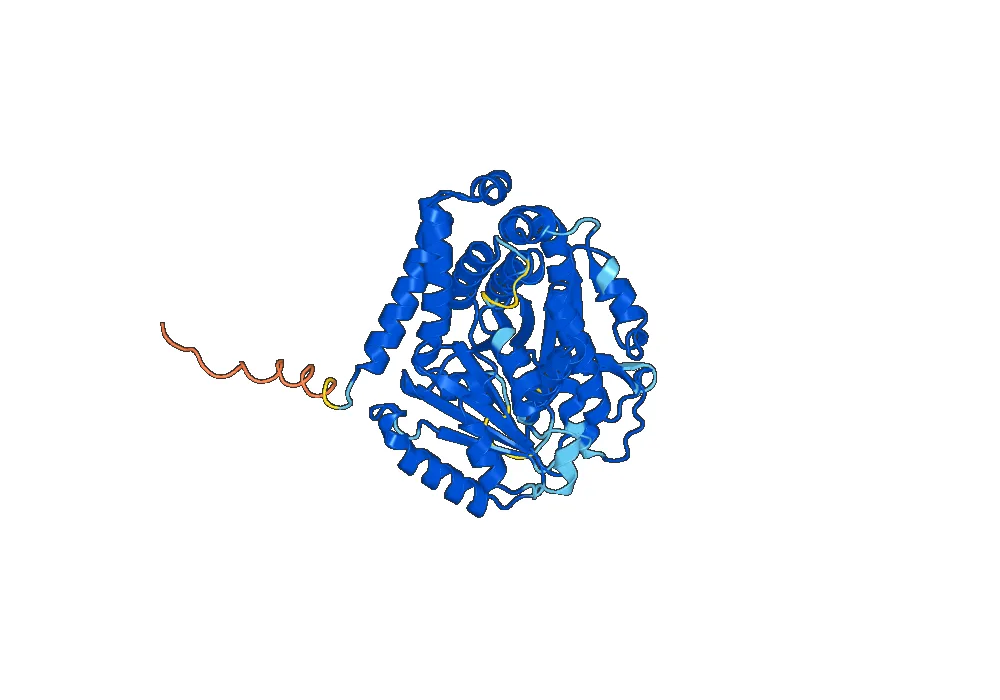
The recombinant human SLC22A5 protein is composed of 12 transmembrane domains, with both the N- and C-termini located on the cytoplasmic side of the membrane. The protein has a molecular weight of approximately 60 kDa and contains several conserved domains, including the OCTN2 domain, which is responsible for the transport of cationic compounds. The structure of the recombinant protein is highly homologous to the native human protein, making it an ideal tool for studying its function and interactions.
Activity of Recombinant Human SLC22A5 Protein
The main function of recombinant human SLC22A5 protein is to transport organic cations across cell membranes. This includes a wide range of molecules, such as neurotransmitters, drugs, and toxins. The protein uses a proton gradient to transport these cations against their concentration gradient, which is essential for maintaining homeostasis in the body. In addition to its transport function, recombinant human SLC22A5 protein has been shown to play a role in the regulation of cellular metabolism and the detoxification of xenobiotics.
Application of Recombinant Human SLC22A5 Protein
Recombinant human SLC22A5 protein has a wide range of applications in both research and clinical settings. In research, the protein is used to study the function and regulation of organic cation transporters. It is also used to investigate the role of these transporters in drug absorption, distribution, and excretion. In addition, recombinant human SLC22A5 protein is used to screen potential drug candidates for their interaction with this transporter, which can impact their efficacy and toxicity.
In the clinical setting, recombinant human SLC22A5 protein is used as an antigen in diagnostic assays for the detection of anti-OCT2 antibodies in patients with autoimmune diseases, such as Sjögren’s syndrome and systemic lupus erythematosus. These antibodies can interfere with the function of the protein and lead to impaired transport and drug interactions. By detecting these antibodies, clinicians can better manage drug therapies and improve patient outcomes.
Conclusion
In summary, recombinant human SLC22A5 protein is a crucial tool in the study of organic cation transporters and their role in drug transport and metabolism. Its structural and functional properties make it an ideal protein for research and diagnostic applications. As our understanding of the role of this protein continues to grow, so does the potential for new therapeutic strategies and diagnostic tools.



There are no reviews yet.