Introduction to Recombinant Human SMARCD1 Protein
Recombinant Human SMARCD1 Protein, also known as SWI/SNF-related matrix-associated actin-dependent regulator of chromatin subfamily D member 1, is a protein that plays a crucial role in regulating gene expression and chromatin remodeling. It is a highly conserved protein found in various eukaryotic organisms, including humans.
Structure of Recombinant Human SMARCD1 Protein
The recombinant form of SMARCD1 protein is produced by cloning and expressing the SMARCD1 gene in a suitable host organism, such as bacteria or yeast. The resulting protein is then purified using various techniques, such as chromatography, to obtain a highly pure and active form of the protein.
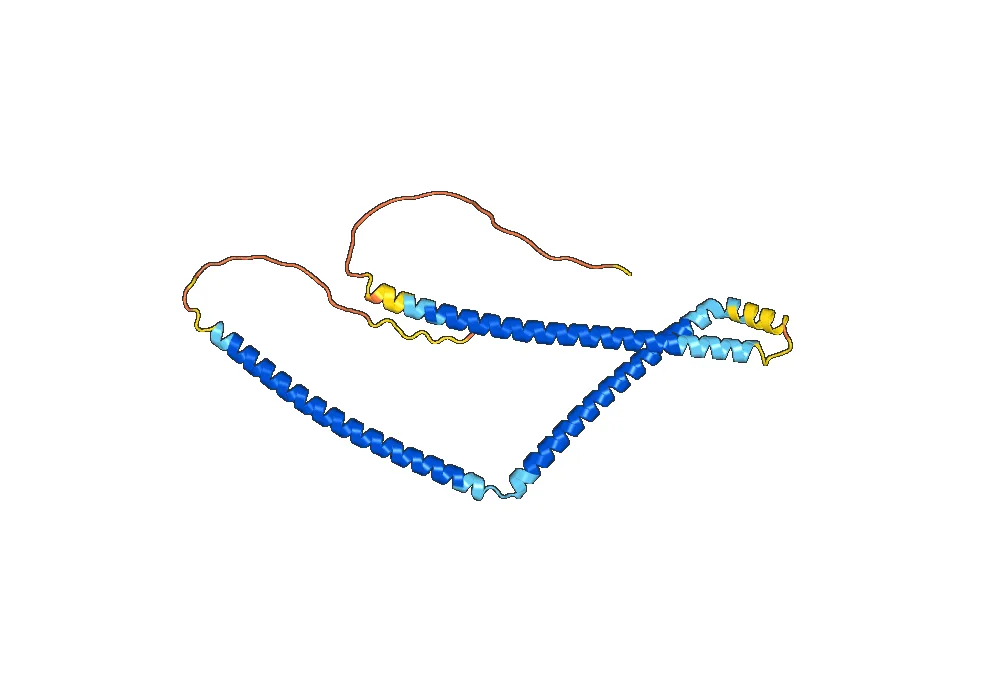
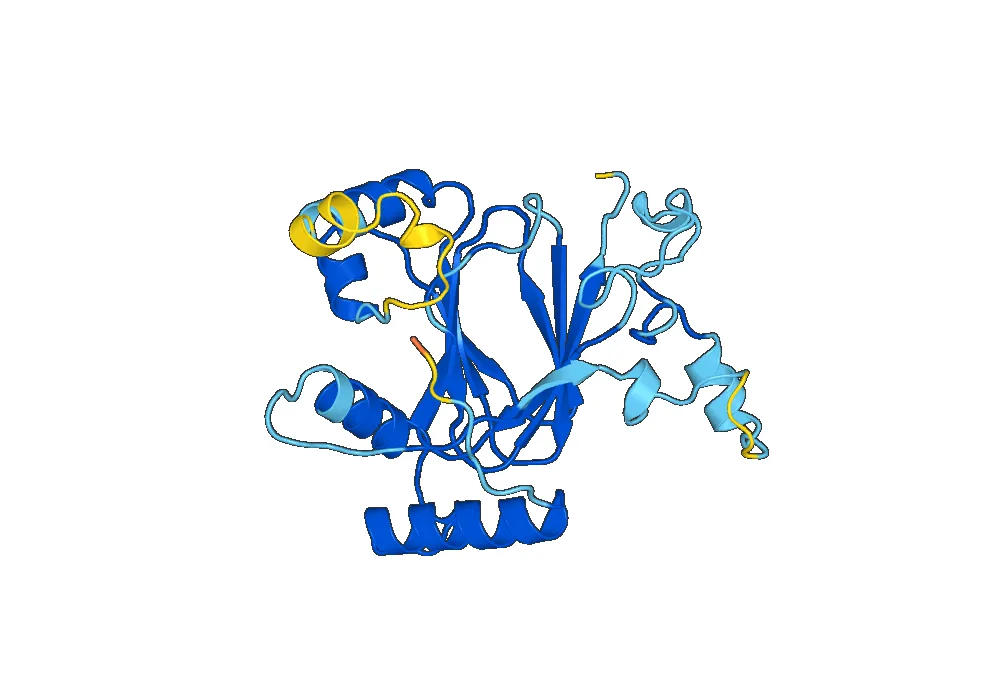
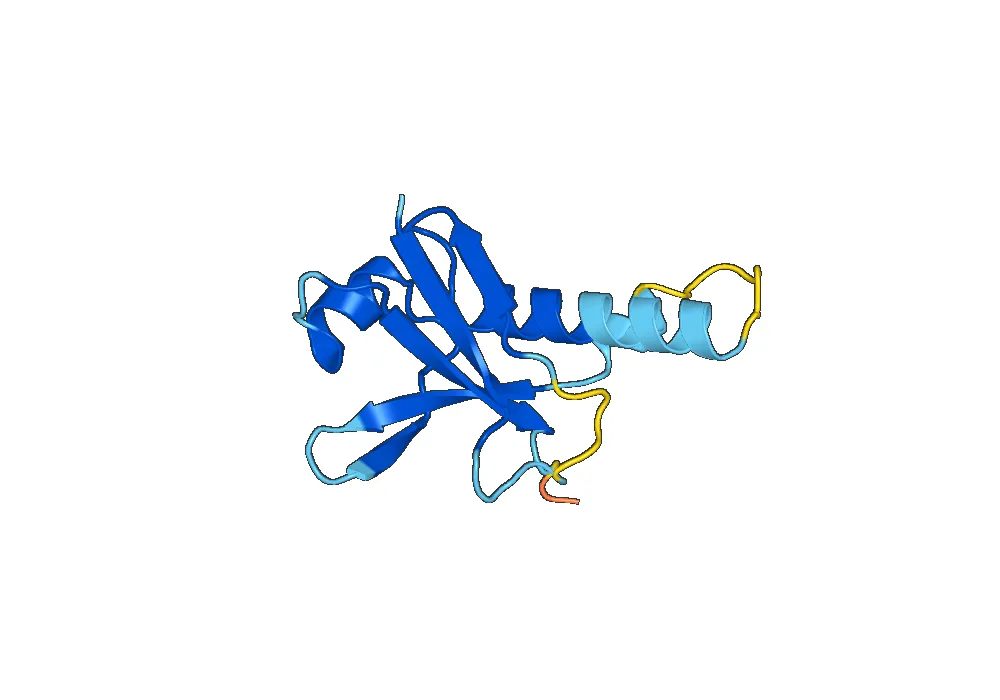
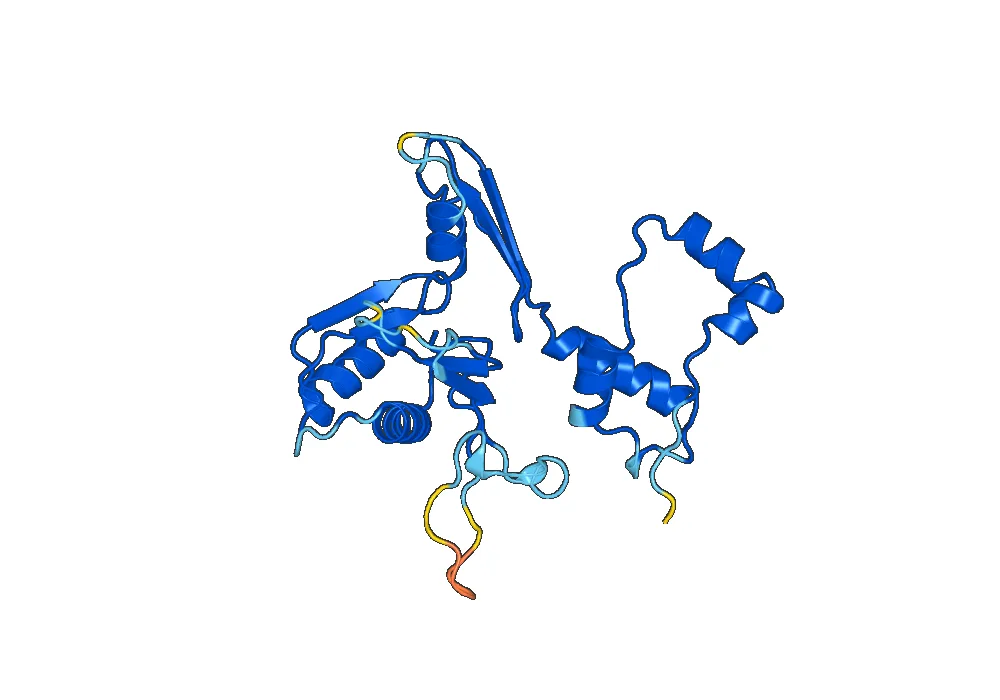
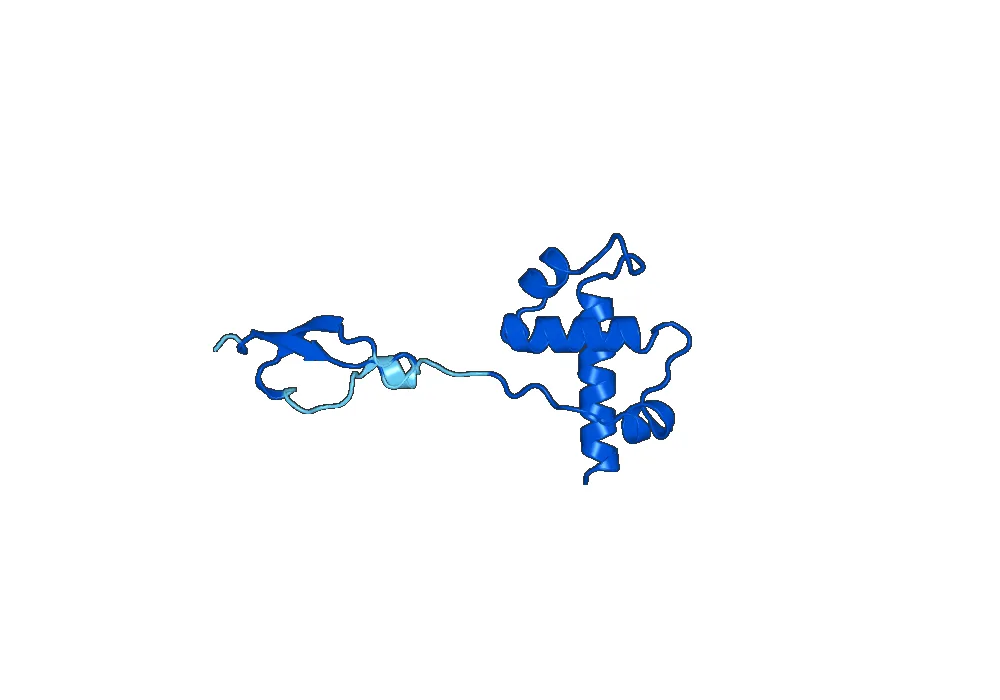
The SMARCD1 protein consists of 376 amino acids and has a molecular weight of approximately 43 kDa. It contains several functional domains, including the SWIRM (Swi3p, Rsc8p, and Moira) domain, the SANT (SWI3, ADA2, N-CoR, and TFIIIB) domain, and the ATPase domain. These domains are responsible for the protein’s ability to interact with other proteins and DNA, and to carry out its various functions.
Activity of Recombinant Human SMARCD1 Protein
The main function of SMARCD1 protein is to act as a subunit of the SWI/SNF (switch/sucrose non-fermentable) chromatin remodeling complex. This complex is involved in the regulation of gene expression by altering the structure of chromatin, the complex of DNA and proteins that make up the cell’s genetic material.
SMARCD1 protein plays a crucial role in the recruitment of the SWI/SNF complex to specific regions of DNA, where it uses the energy from ATP hydrolysis to remodel the chromatin structure and allow access to the underlying DNA. This process is essential for the activation or repression of gene expression, as well as for DNA repair and replication.
Moreover, SMARCD1 protein has been found to interact with other transcription factors and co-regulators, such as p53, c-Myc, and BRG1, to regulate the expression of specific genes. It has also been shown to play a role in the development and differentiation of various cell types, including muscle, nerve, and immune cells.
Applications of Recombinant Human SMARCD1 Protein
The recombinant form of SMARCD1 protein has a wide range of applications in both basic and applied research. Its ability to regulate gene expression and chromatin remodeling makes it a valuable tool for studying the mechanisms of gene regulation and the role of chromatin in various cellular processes.
One of the main applications of recombinant SMARCD1 protein is in the study of cancer. Mutations in the genes encoding the components of the SWI/SNF complex, including SMARCD1, have been found in various types of cancer, highlighting the importance of this complex in maintaining normal cellular function. Recombinant SMARCD1 protein can be used to study the effects of these mutations and to develop potential therapies targeting the SWI/SNF complex in cancer cells.
Furthermore, recombinant SMARCD1 protein has been used in the development of diagnostic tests for certain types of cancer. The presence of SMARCD1 mutations in cancer cells can be detected using recombinant protein-based assays, providing a non-invasive and highly sensitive method for cancer diagnosis.
Conclusion
In summary, Recombinant Human SMARCD1 Protein is a crucial component of the SWI/SNF chromatin remodeling complex, with important roles in gene regulation and cellular processes. Its structure, activity, and various applications make it a valuable tool for scientific research, particularly in the fields of cancer and chromatin biology.


There are no reviews yet.