Introduction
Recombinant Human SS18L1 Protein, also known as SYT-like protein 1, is a protein that is encoded by the SS18L1 gene in humans. This protein belongs to the synovial sarcoma translocation (SS18) family and is involved in various cellular processes such as transcriptional regulation, cell proliferation, and differentiation. Recombinant Human SS18L1 Protein has gained significant attention in the scientific community due to its potential therapeutic applications in cancer and other diseases.
Structure of Recombinant Human SS18L1 Protein
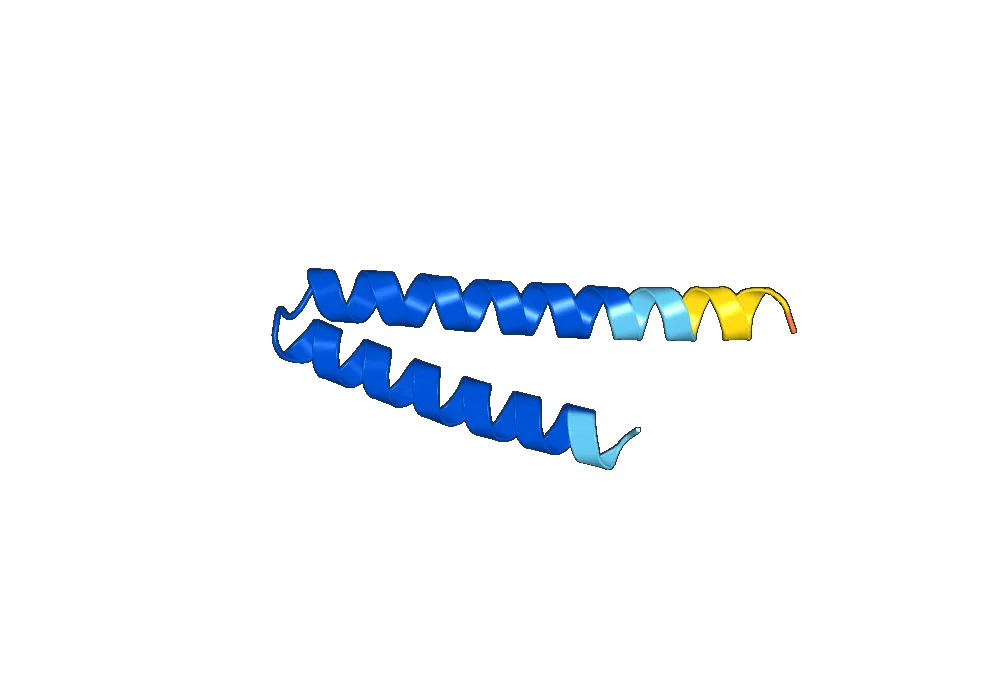
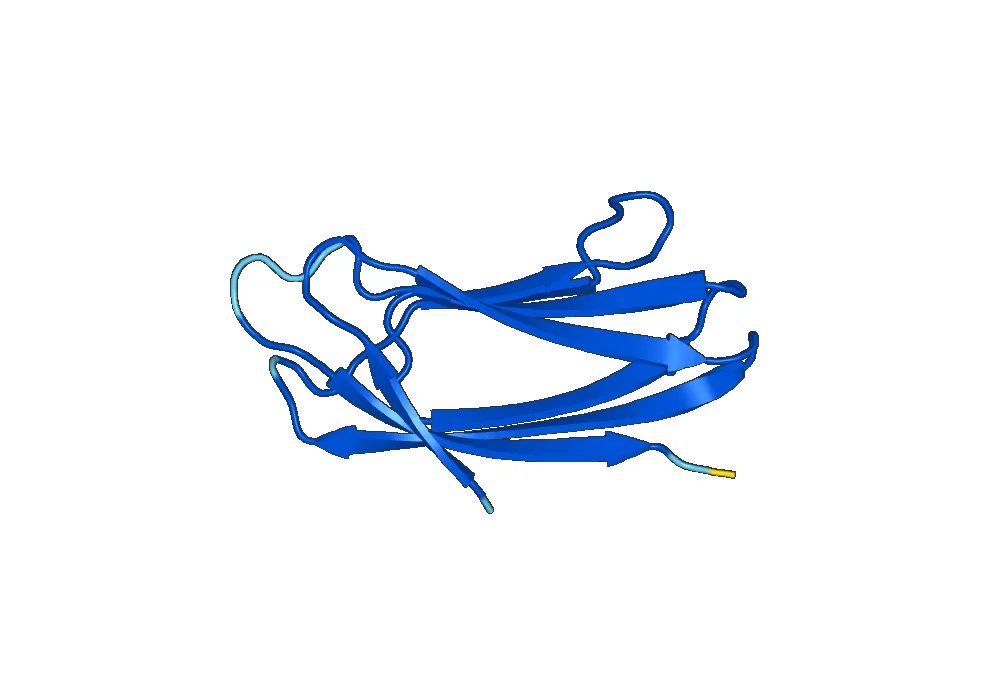
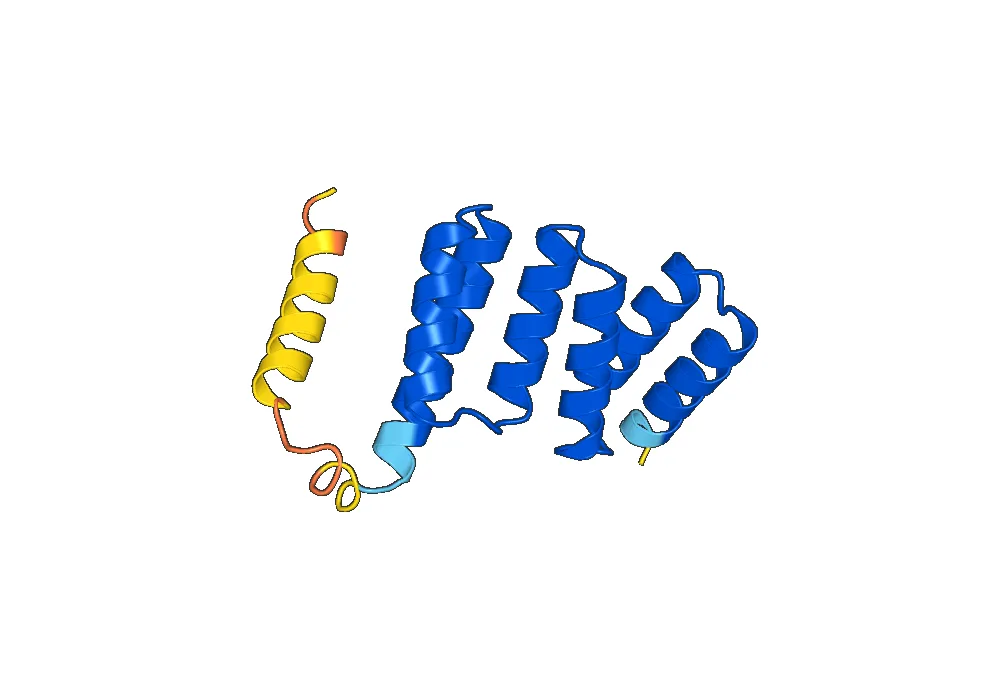
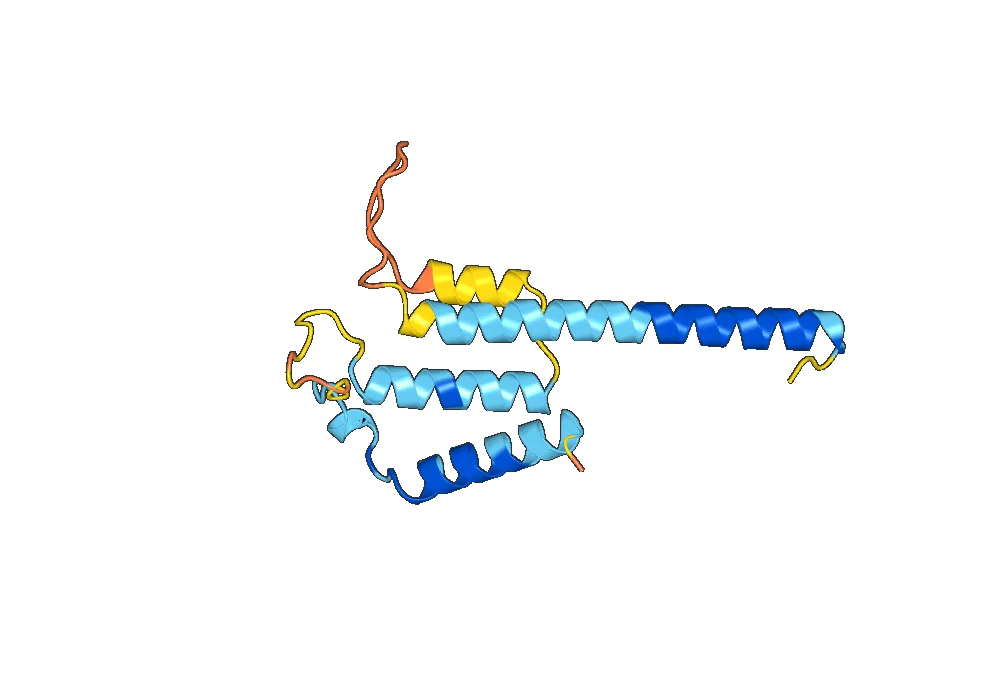
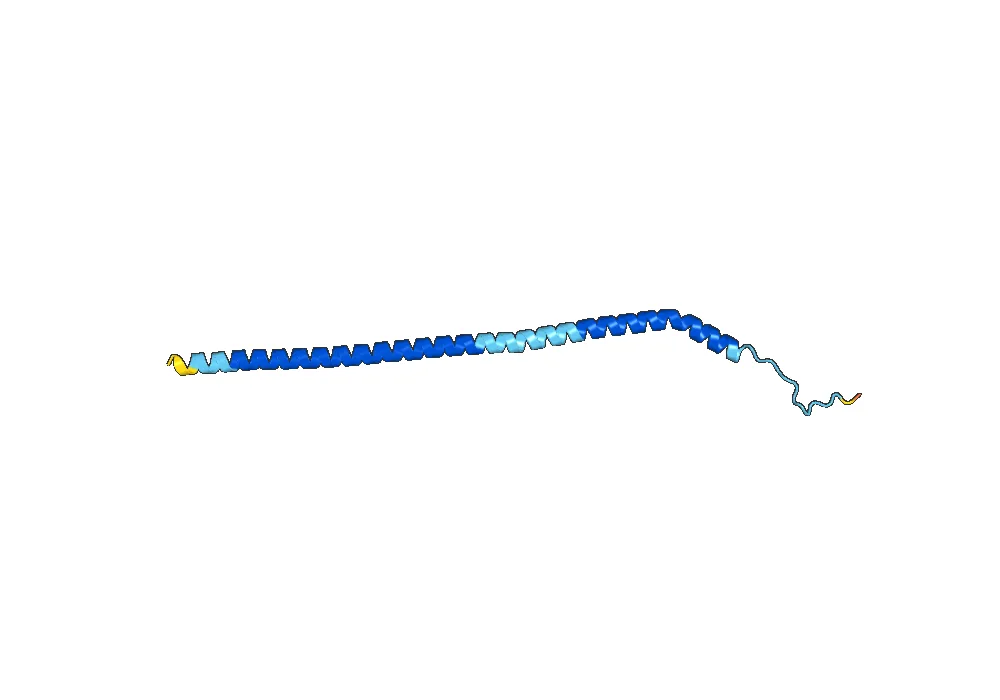
The primary structure of Recombinant Human SS18L1 Protein consists of 481 amino acids, with a molecular weight of approximately 53 kDa. It contains a conserved N-terminal domain, a central acidic region, and a C-terminal domain. The N-terminal domain is responsible for protein-protein interactions, while the central acidic region contains a nuclear localization signal and multiple phosphorylation sites. The C-terminal domain is rich in proline and serine residues, which are important for protein folding and stability.
Activity of Recombinant Human SS18L1 Protein
Recombinant Human SS18L1 Protein is a transcriptional co-activator that plays a crucial role in chromatin remodeling and gene expression. It interacts with various transcription factors and co-activators, such as CREB-binding protein (CBP) and p300, to regulate gene expression. It also forms a complex with the BRD4 protein, which is involved in chromatin organization and transcriptional regulation.
Moreover, studies have shown that Recombinant Human SS18L1 Protein is involved in cell proliferation and differentiation. It has been found to be overexpressed in various types of cancer, including breast, lung, and colon cancer, suggesting its potential role in tumorigenesis. It has also been linked to the development of embryonic stem cells, indicating its importance in early embryonic development.
Application of Recombinant Human SS18L1 Protein
Due to its involvement in various cellular processes, Recombinant Human SS18L1 Protein has emerged as a potential therapeutic target in cancer and other diseases. It has been found to be overexpressed in several types of cancer, making it a promising candidate for targeted cancer therapies. Inhibitors of Recombinant Human SS18L1 Protein have been developed and are currently being tested in preclinical studies for their efficacy in cancer treatment.
Additionally, Recombinant Human SS18L1 Protein has also been studied for its role in stem cell development and differentiation. It has been found to be essential for the maintenance of pluripotency in embryonic stem cells and has potential applications in regenerative medicine.
Furthermore, Recombinant Human SS18L1 Protein has been identified as a potential biomarker for certain types of cancer. Its overexpression has been correlated with poor prognosis in breast and lung cancer patients, making it a potential diagnostic and prognostic marker for these diseases.
Conclusion
In conclusion, Recombinant Human SS18L1 Protein is a versatile protein with various roles in cellular processes such as transcriptional regulation, cell proliferation, and differentiation. Its structure, activity, and potential applications make it a promising candidate for targeted cancer therapies, regenerative medicine, and as a biomarker for certain types of cancer. Further research and clinical trials are needed to fully understand the potential of this protein and its therapeutic applications.

There are no reviews yet.