Introduction
Recombinant Human TTC7A Protein, also known as Tetratricopeptide Repeat Domain 7A Protein, is a highly conserved protein found in humans. It plays a crucial role in various cellular processes, making it an important target for research and potential therapeutic applications. In this article, we will explore the structure, activity, and potential applications of this protein.
Structure of Recombinant Human TTC7A Protein
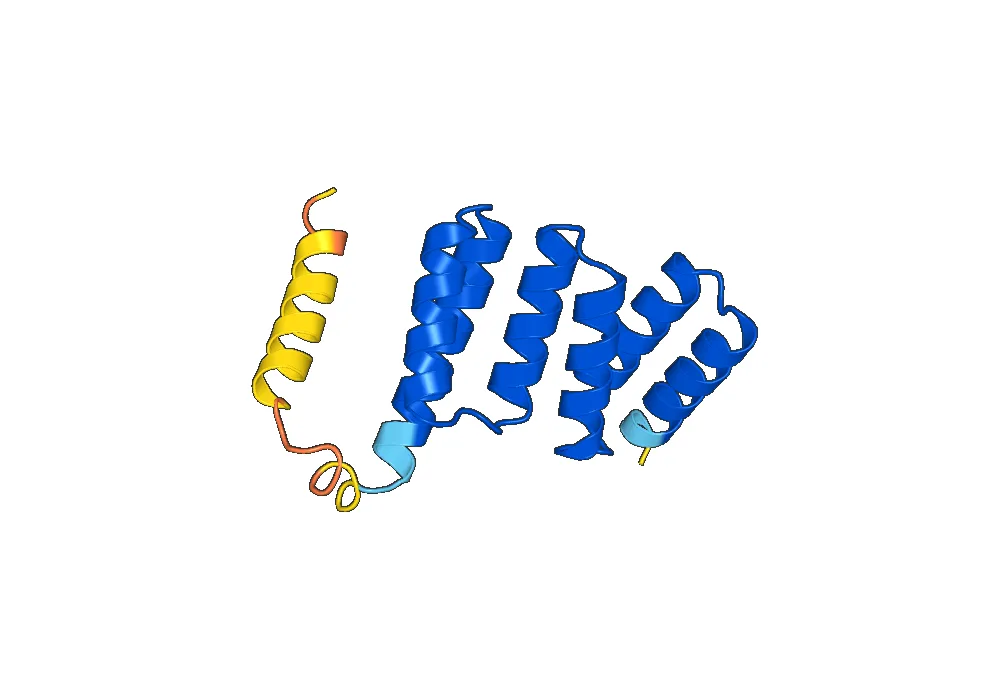
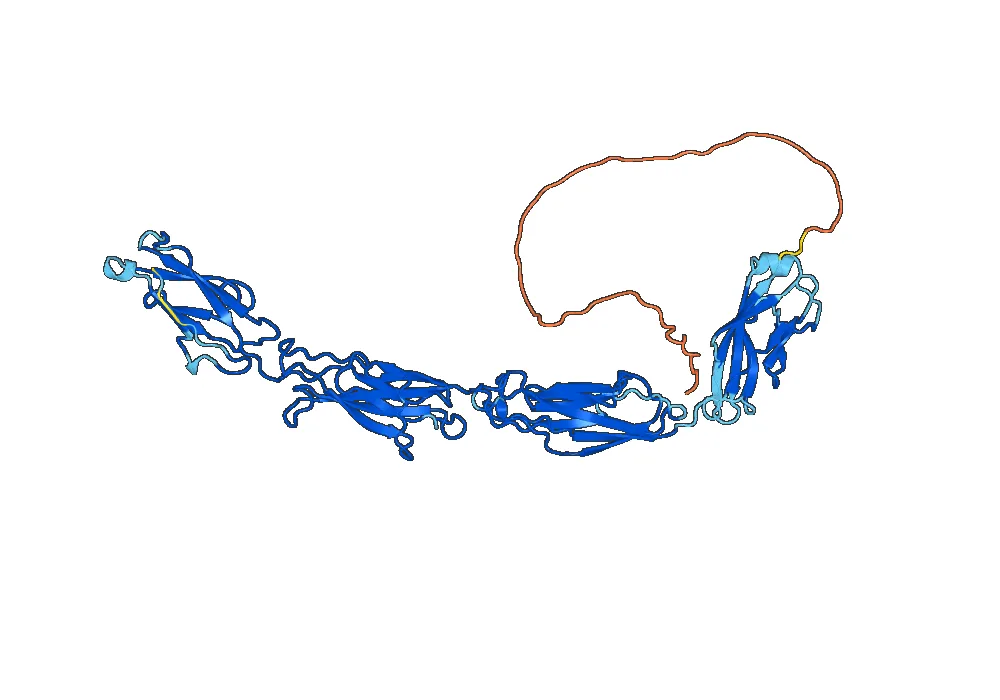
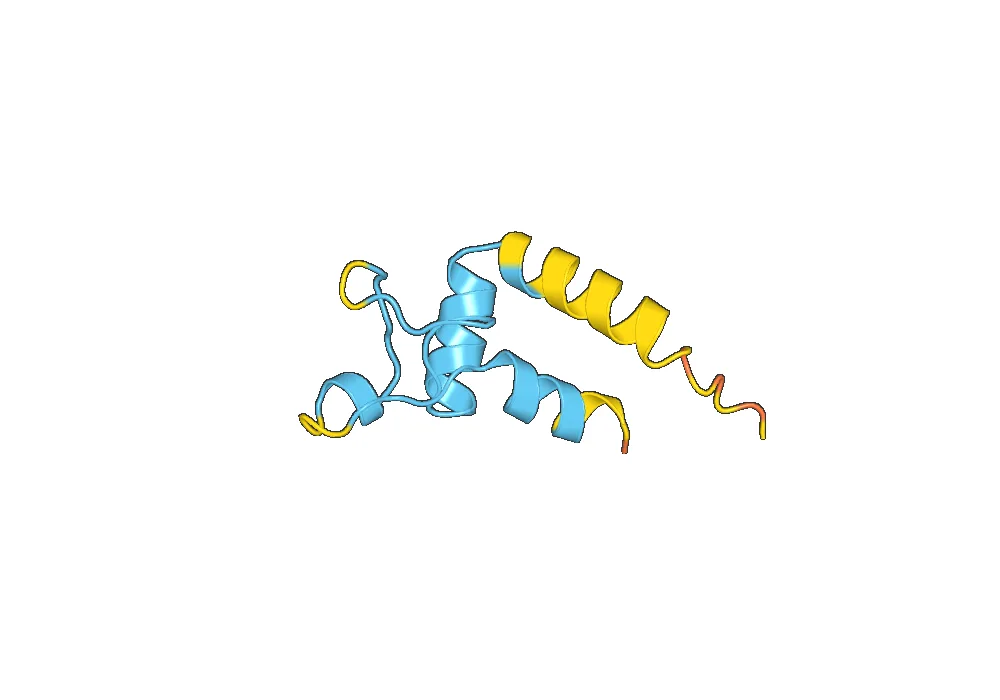
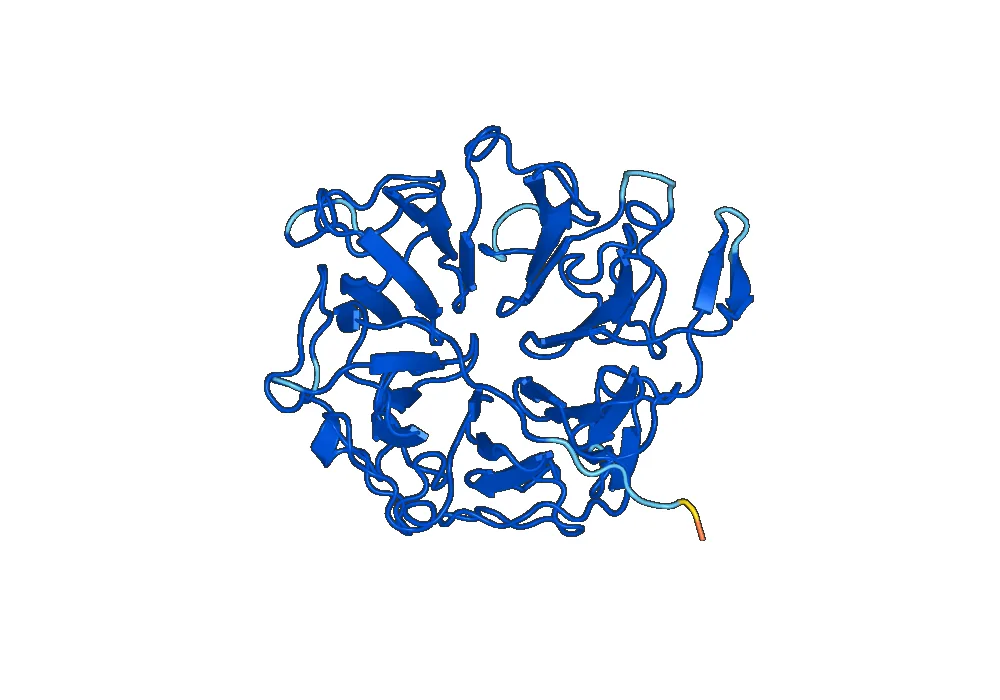
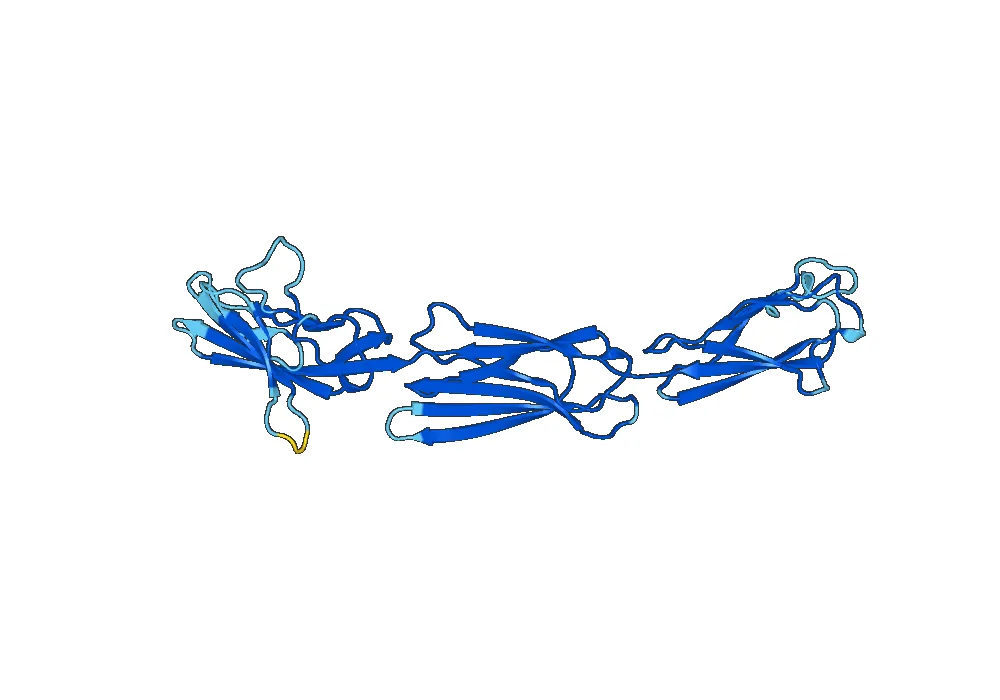
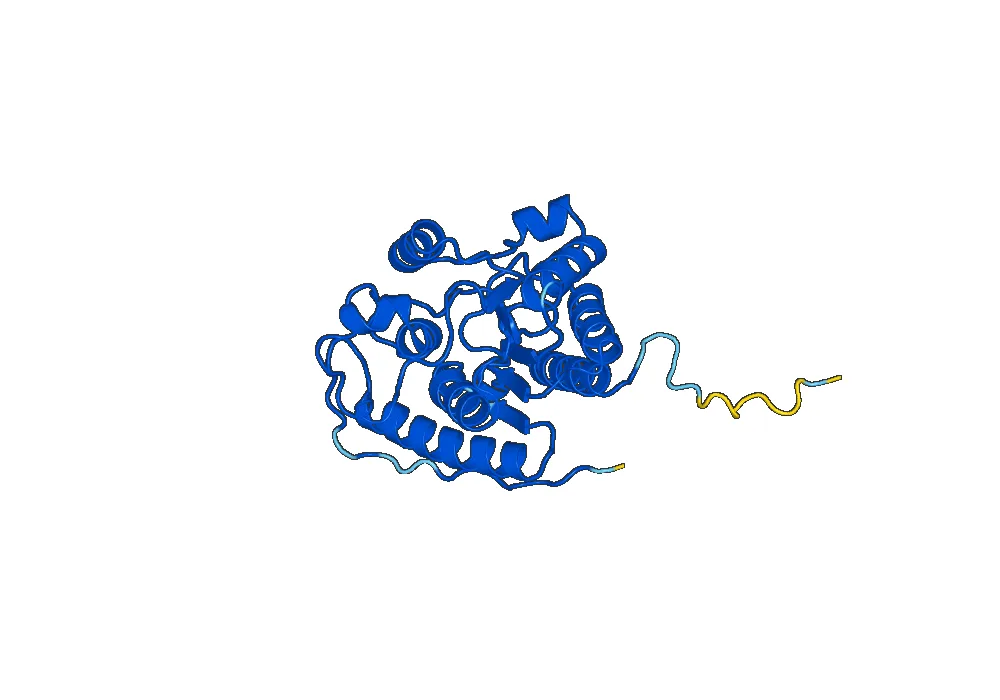
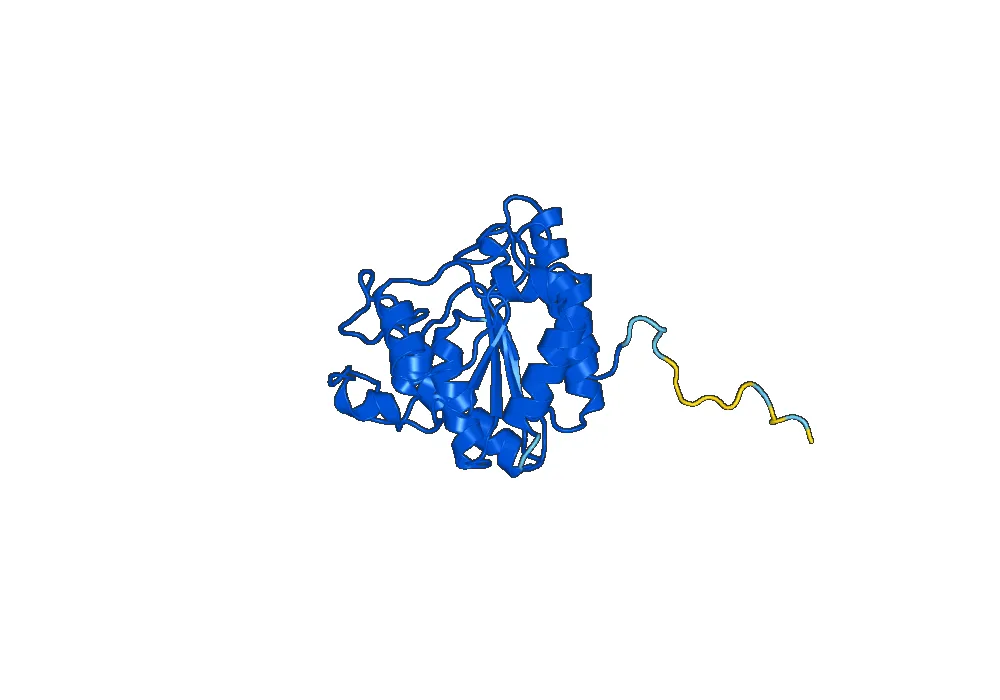
The TTC7A gene is located on chromosome 2 in humans and encodes for a protein of 1,278 amino acids. The protein is composed of several domains, including a tetratricopeptide repeat (TPR) domain, a coiled-coil domain, and a sterile alpha motif (SAM) domain. The TPR domain is responsible for protein-protein interactions, while the coiled-coil domain is involved in protein oligomerization. The SAM domain is known to be involved in protein-protein interactions and signal transduction. The overall structure of TTC7A protein is highly conserved across species, suggesting its importance in cellular function.
Activity of Recombinant Human TTC7A Protein
The exact function of TTC7A protein is not fully understood, but studies have shown its involvement in various cellular processes. It has been identified as a component of the mammalian target of rapamycin complex 2 (mTORC2), which regulates cell growth and survival. TTC7A has also been found to interact with other proteins involved in cell signaling, such as PDK1 and AKT. This suggests that TTC7A may play a role in regulating cell signaling pathways.
Moreover, studies have shown that TTC7A is involved in the maintenance of intestinal barrier function. It has been found to interact with the tight junction protein, occludin, and disruption of TTC7A results in increased intestinal permeability. This highlights the importance of TTC7A in intestinal homeostasis and its potential role in diseases such as inflammatory bowel disease.
Application of Recombinant Human TTC7A Protein
Recombinant Human TTC7A Protein has been widely used in research to better understand its function and potential therapeutic applications. One major application is in the study of mTORC2 signaling. As TTC7A is a component of this complex, recombinant protein can be used to study its role in cell growth and survival. This can provide insights into diseases such as cancer, where dysregulation of mTORC2 signaling is often observed.
Another potential application of recombinant TTC7A protein is in the development of therapies for intestinal disorders. As mentioned earlier, TTC7A plays a crucial role in maintaining intestinal barrier function. Therefore, recombinant protein can be used to study its role in diseases such as inflammatory bowel disease and potentially develop targeted therapies.
In addition to research applications, recombinant TTC7A protein can also be used in diagnostic assays. As TTC7A is highly conserved across species, recombinant protein can be used as an antigen to detect antibodies against TTC7A in patient samples. This can aid in the diagnosis of diseases associated with TTC7A dysfunction.
Conclusion
In conclusion, Recombinant Human TTC7A Protein is a highly conserved protein with important roles in various cellular processes. Its structure, activity, and potential applications make it a valuable target for research and potential therapeutic interventions. Further studies on this protein may provide insights into its function and potential therapeutic applications in various diseases.


There are no reviews yet.