Introduction to Recombinant Human TSPAN13 Protein
Recombinant proteins are proteins that are produced by genetically modifying an organism to express a specific gene. These proteins have revolutionized the field of biotechnology and have a wide range of applications in medicine, research, and industry. One such recombinant protein is the Recombinant Human TSPAN13 Protein, which has gained significant attention in recent years due to its unique structure and diverse functions.
Structure of Recombinant Human TSPAN13 Protein
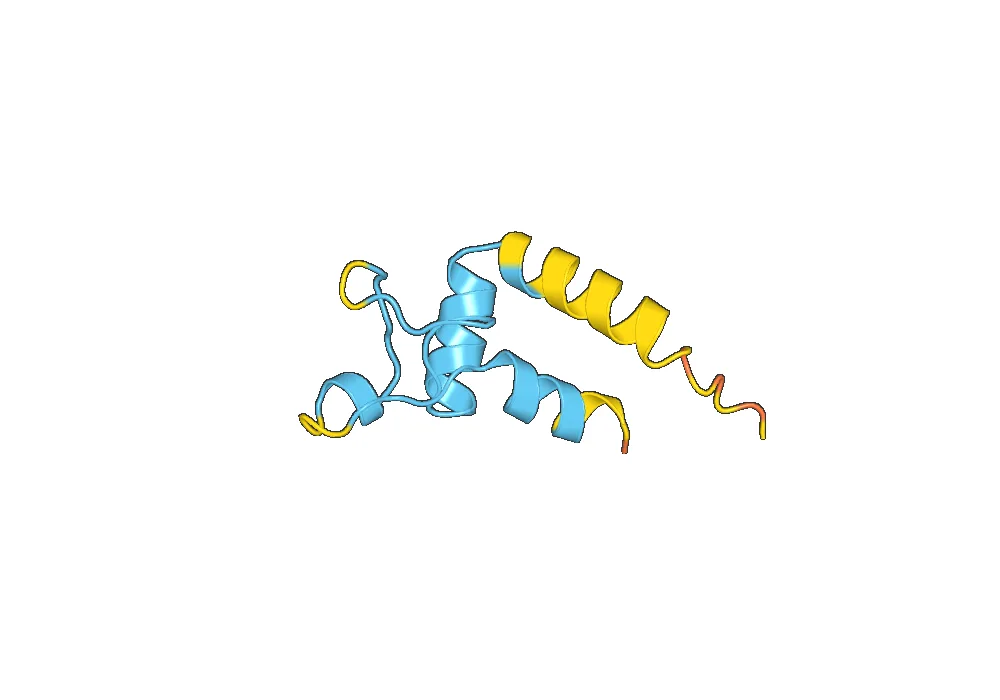
The Recombinant Human TSPAN13 Protein is a transmembrane protein that belongs to the tetraspanin family. It is composed of 4 transmembrane domains and 2 extracellular loops, with a small cytoplasmic tail. The protein has a molecular weight of approximately 25 kDa and is glycosylated, meaning it has sugar molecules attached to it. This glycosylation plays a crucial role in the protein’s stability and function.
The structure of Recombinant Human TSPAN13 Protein is highly conserved among different species, indicating its importance in various biological processes. It is predominantly found on the surface of cells, where it interacts with other proteins and lipids to form specialized microdomains known as tetraspanin-enriched microdomains (TEMs). These TEMs play a critical role in cell signaling and communication.
Activity of Recombinant Human TSPAN13 Protein
The Recombinant Human TSPAN13 Protein is involved in various cellular processes, including cell adhesion, migration, and proliferation. It is also known to regulate immune responses and play a role in cancer progression. The protein achieves these functions by interacting with other proteins and lipids on the cell surface, forming complexes that regulate cell signaling pathways.
One of the key activities of Recombinant Human TSPAN13 Protein is its role in cell adhesion. It interacts with other tetraspanins and integrins, which are cell surface receptors responsible for cell adhesion. This interaction helps in the formation of stable cell-cell and cell-matrix contacts, which are crucial for tissue development and maintenance.
Moreover, Recombinant Human TSPAN13 Protein is also involved in regulating immune responses. It is expressed on the surface of immune cells, where it interacts with other proteins to modulate the activation and function of these cells. This makes it a potential target for immunotherapy in various diseases, including cancer and autoimmune disorders.
Application of Recombinant Human TSPAN13 Protein
The unique structure and diverse functions of Recombinant Human TSPAN13 Protein make it a valuable tool in various areas of research and medicine. One of the most significant applications of this protein is in cancer research. Studies have shown that Recombinant Human TSPAN13 Protein is overexpressed in various types of cancer, making it a potential biomarker for cancer diagnosis and a target for cancer therapy.
In addition, Recombinant Human TSPAN13 Protein has also been studied for its role in infectious diseases. It has been shown to play a critical role in viral entry and infection, making it a potential target for antiviral therapy. Furthermore, the protein’s involvement in immune responses makes it a promising candidate for vaccine development against various pathogens.
Recombinant Human TSPAN13 Protein also has potential applications in tissue engineering and regenerative medicine. Its role in cell adhesion and tissue development makes it a valuable tool for creating artificial tissues and organs for transplantation.
Conclusion
In summary, Recombinant Human TSPAN13 Protein is a transmembrane protein with a unique structure and diverse functions. It plays a crucial role in cell adhesion, immune responses, and cancer progression. Its potential applications in research and medicine make it a valuable tool in the field of biotechnology. Further studies on this protein may lead to new insights and potential therapeutic interventions for various diseases.


There are no reviews yet.