Introduction
Recombinant Human SUMF1 is a type of recombinant protein that plays a crucial role in various biological processes. This protein is a member of the sulfatase family, which are enzymes that catalyze the hydrolysis of sulfate esters. The recombinant form of SUMF1 is produced through genetic engineering techniques, making it a valuable tool for scientific research and potential therapeutic applications. In this article, we will explore the structure, activity, and potential applications of Recombinant Human SUMF1.
Structure of Recombinant Human SUMF1
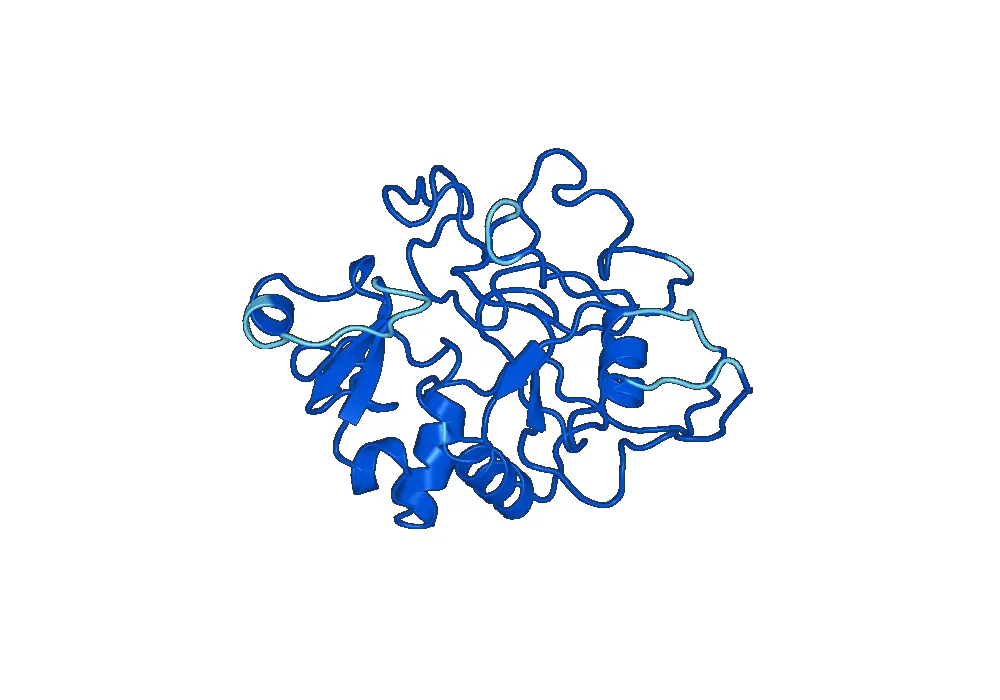
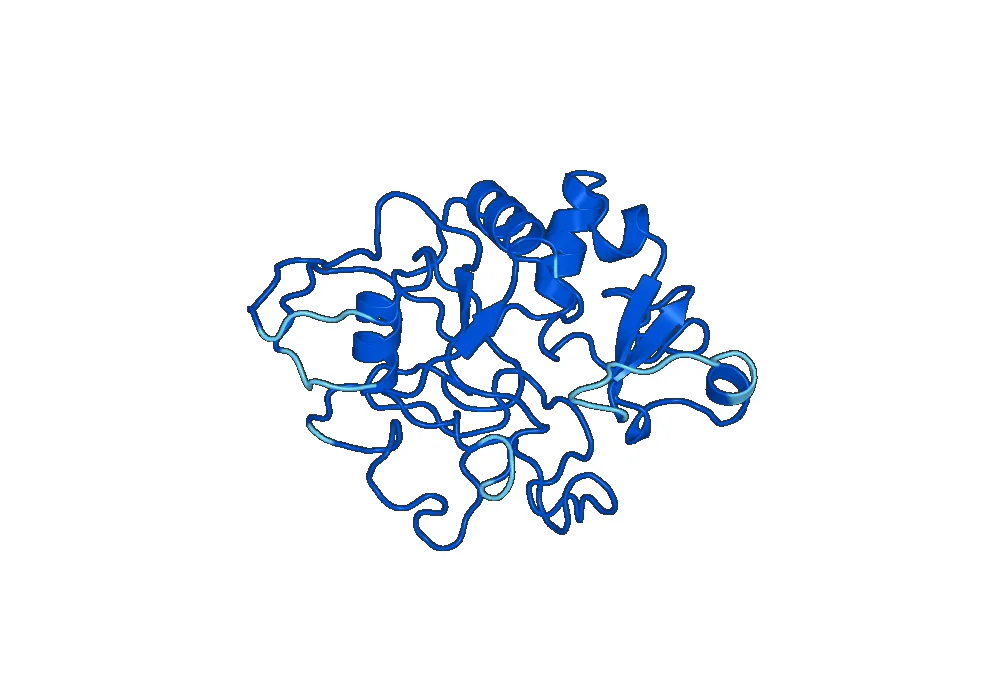
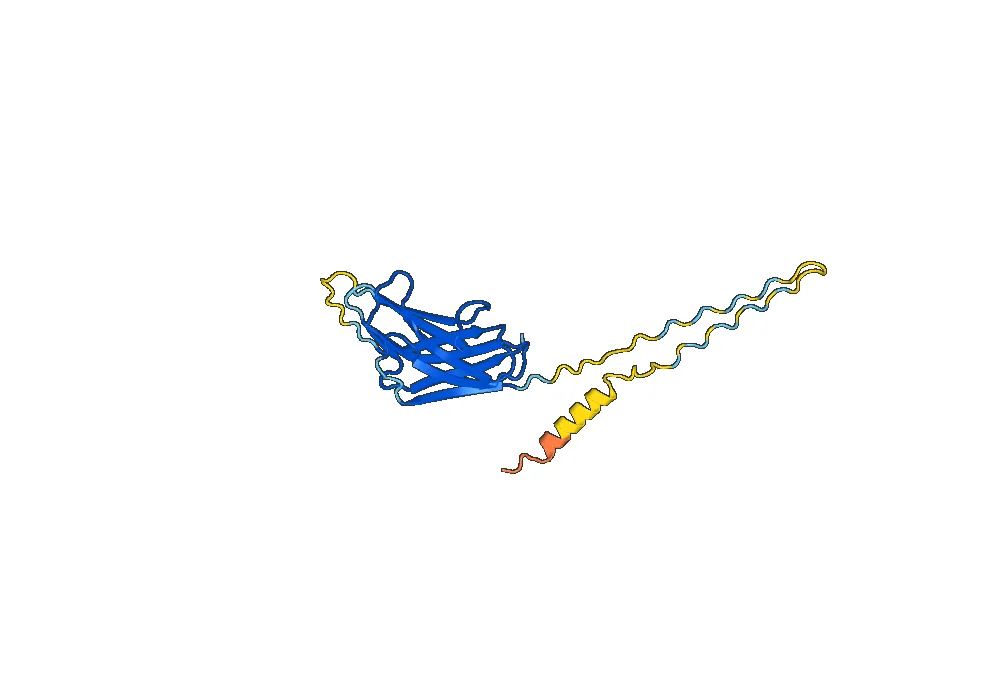
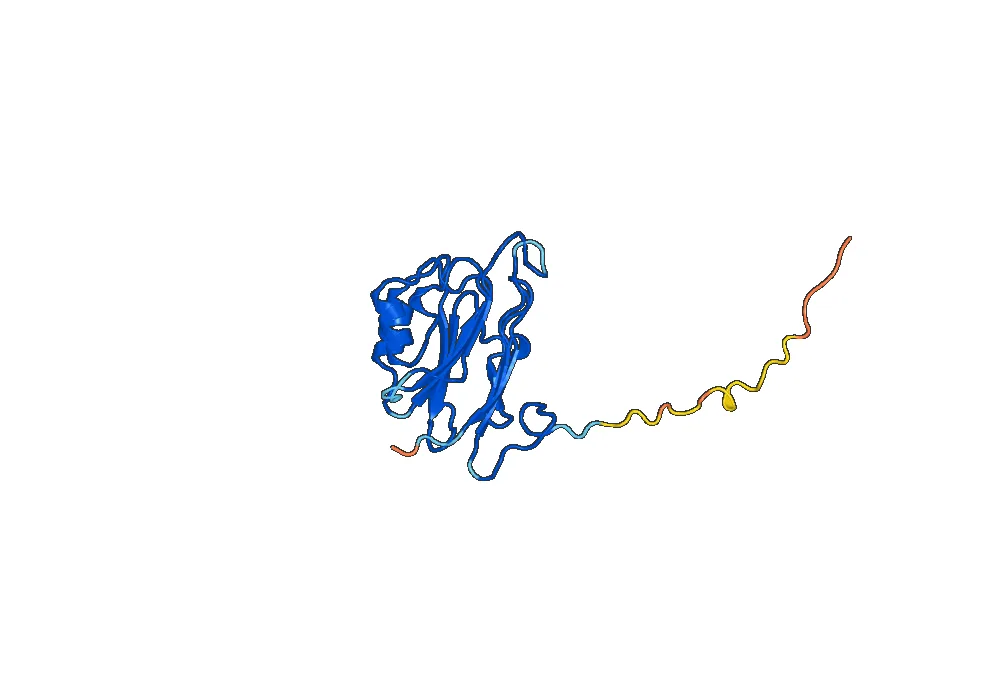
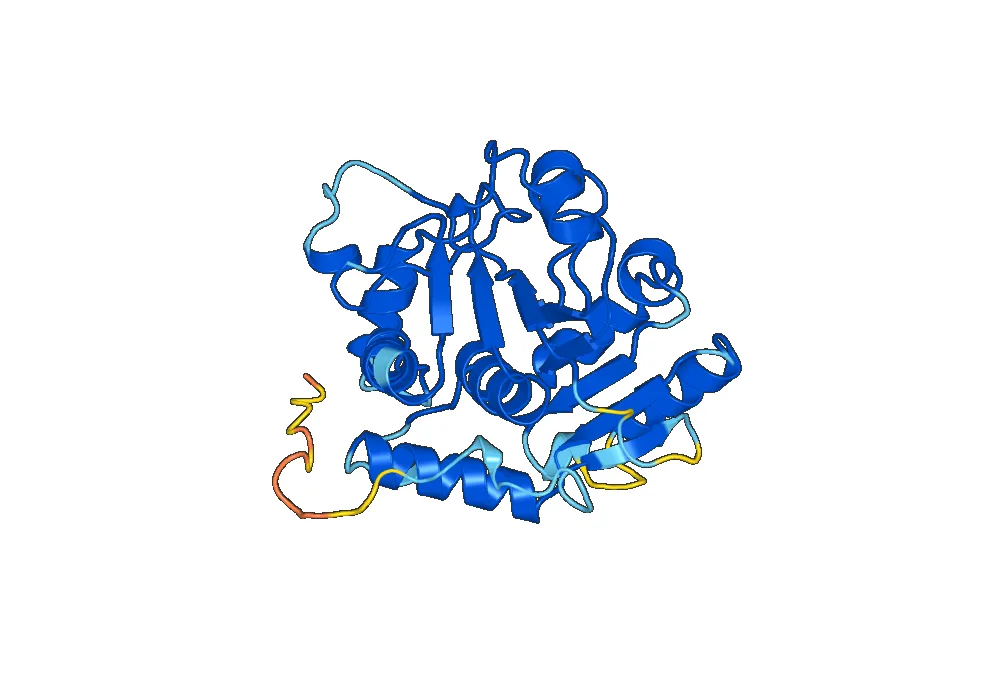
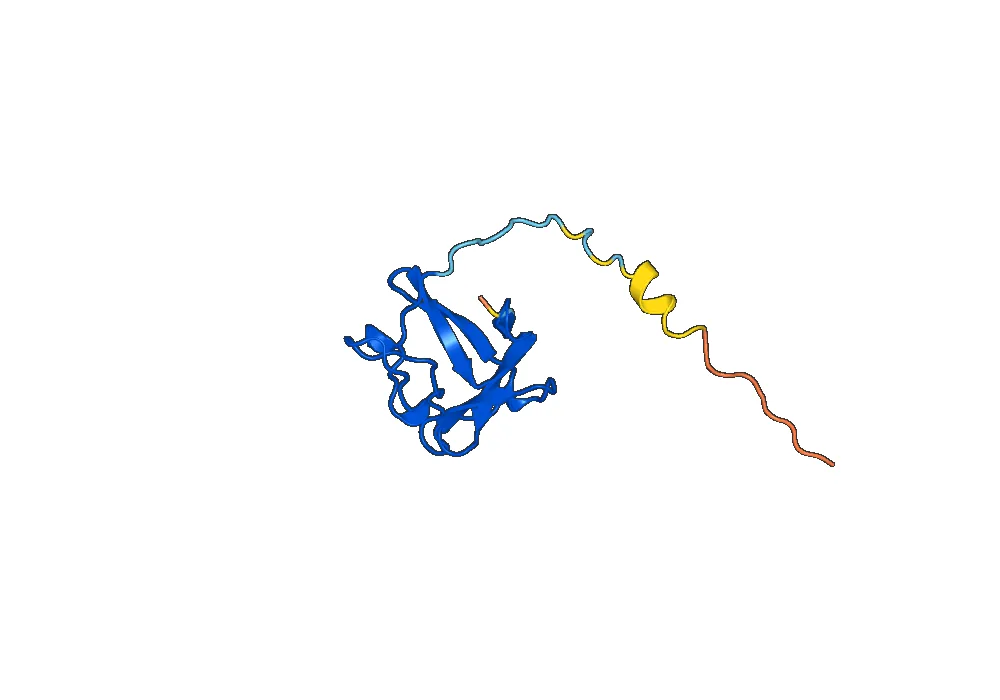
The gene encoding SUMF1 is located on chromosome 3 in humans and contains 8 exons. The protein itself is composed of 247 amino acids and has a molecular weight of approximately 28 kDa. It is a homodimer, meaning it is composed of two identical subunits. Each subunit has a unique structure consisting of two domains: a catalytic domain and a C-terminal domain.
The catalytic domain is responsible for the enzyme activity of SUMF1. It contains a conserved active site, which is essential for the hydrolysis of sulfate esters. The C-terminal domain, on the other hand, is involved in protein-protein interactions and is crucial for the stability and proper folding of the protein.
Activity of Recombinant Human SUMF1
The main function of SUMF1 is to catalyze the hydrolysis of sulfated sugars, specifically 3-O-sulfogalactosylceramide (sulfatide). This reaction is important for the breakdown of sulfatide, which is a component of the myelin sheath in the nervous system. Deficiencies in SUMF1 activity have been linked to lysosomal storage disorders, such as multiple sulfatase deficiency and metachromatic leukodystrophy.
In addition to its role in sulfatide metabolism, SUMF1 has also been found to be involved in the processing of heparan sulfate, a complex polysaccharide that plays a critical role in cell signaling and communication. This suggests that SUMF1 may have a broader role in the regulation of various biological processes.
Applications of Recombinant Human SUMF1
The production of recombinant Human SUMF1 has opened up new opportunities for scientific research and potential therapeutic applications. One of the main uses of this protein is in the development of diagnostic assays for lysosomal storage disorders. By measuring the activity of recombinant SUMF1, researchers can accurately diagnose these disorders and monitor their progression.
Recombinant Human SUMF1 also has potential therapeutic applications. As mentioned earlier, deficiencies in SUMF1 activity have been linked to lysosomal storage disorders. Therefore, the use of recombinant SUMF1 as a therapeutic agent could potentially correct these deficiencies and improve the symptoms of these disorders.
In addition, SUMF1 has also been found to have anti-inflammatory properties. Studies have shown that recombinant SUMF1 can inhibit the production of pro-inflammatory cytokines, making it a potential treatment for inflammatory diseases such as rheumatoid arthritis and inflammatory bowel disease.
Conclusion
Recombinant Human SUMF1 is a valuable tool for scientific research and has potential therapeutic applications. Its unique structure and enzyme activity make it a crucial component in the breakdown of sulfated sugars and the regulation of various biological processes. With ongoing research, we can continue to uncover the full potential of this protein and its role in human health and disease.

There are no reviews yet.