Introduction
Recombinant Human TAX1BP1 Protein, also known as Tax1-binding protein 1, is a 76-kDa protein that plays a crucial role in various cellular processes such as apoptosis, inflammation, and immune response. It is a member of the TAX1BP1 family, which consists of three closely related proteins – TAX1BP1, TAX1BP2, and TAX1BP3. This protein is encoded by the TAX1BP1 gene located on chromosome 7q11.23 and is highly conserved among different species.
Structure of Recombinant Human TAX1BP1 Protein
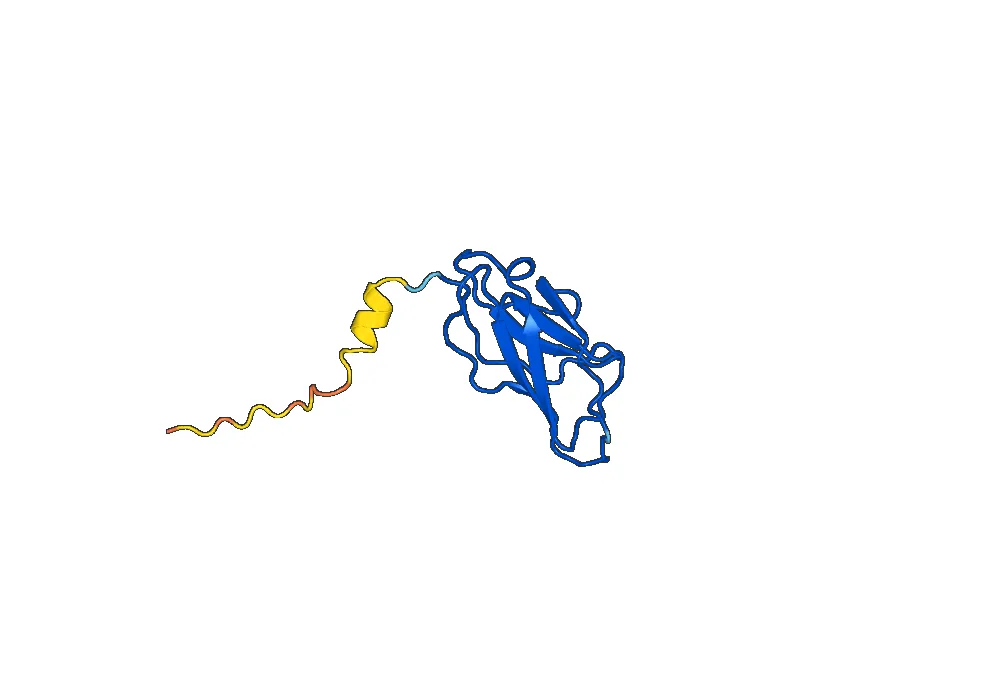
Recombinant Human TAX1BP1 Protein is composed of 690 amino acids and has a molecular weight of 76 kDa. It contains several structural domains, including an N-terminal ubiquitin-like domain (UBL), a C-terminal coiled-coil domain, and multiple WD40 repeats. The UBL domain is responsible for binding to ubiquitin and regulating protein-protein interactions, while the coiled-coil domain is involved in protein dimerization. The WD40 repeats are known to mediate protein-protein interactions and are essential for the function of TAX1BP1.
Activity of Recombinant Human TAX1BP1 Protein
Recombinant Human TAX1BP1 Protein is a multifunctional protein that acts as a negative regulator of the NF-κB signaling pathway. It interacts with the Tax1 protein of human T-cell leukemia virus type 1 (HTLV-1), which is a potent activator of NF-κB, and inhibits its activity. This interaction leads to the sequestration of Tax1 in the cytoplasm, preventing its translocation to the nucleus and subsequent activation of NF-κB.
Moreover, Recombinant Human TAX1BP1 Protein has been shown to play a role in the regulation of apoptosis. It interacts with several key proteins involved in apoptosis, such as Fas-associated death domain (FADD), caspase-8, and caspase-10, and inhibits their activation. This results in the inhibition of apoptosis and promotes cell survival.
In addition to its role in apoptosis and NF-κB signaling, Recombinant Human TAX1BP1 Protein has been implicated in the regulation of autophagy, a process by which cells degrade and recycle damaged or unnecessary cellular components. It interacts with the autophagy protein LC3 and regulates its localization and activity, thereby modulating the autophagy process.
Applications of Recombinant Human TAX1BP1 Protein
Recombinant Human TAX1BP1 Protein has various applications in both research and therapeutic settings. Its ability to regulate NF-κB signaling makes it a valuable tool for studying the role of this pathway in different cellular processes, such as inflammation and immune response. It can also be used to investigate the mechanisms of HTLV-1 infection and its association with diseases such as adult T-cell leukemia.
Furthermore, Recombinant Human TAX1BP1 Protein has potential therapeutic applications. As a negative regulator of NF-κB, it can be used to target diseases that involve dysregulated NF-κB signaling, such as autoimmune disorders and certain types of cancer. In addition, its role in apoptosis and autophagy makes it a potential target for the development of novel therapies for diseases characterized by abnormal cell death or survival.
Conclusion
In summary, Recombinant Human TAX1BP1 Protein is a multifunctional protein with diverse roles in cellular processes such as apoptosis, NF-κB signaling, and autophagy. Its structure, activity, and applications make it a valuable tool for studying and understanding various cellular processes and have potential therapeutic implications. Further research on this protein may lead to the development of new treatments for diseases associated with dysregulated NF-κB signaling and abnormal cell death.


There are no reviews yet.