Introduction
Recombinant Human TEX14 Protein is a key protein involved in the formation and function of the synaptonemal complex during meiosis. It is encoded by the TEX14 gene and is highly conserved among mammals. This protein has recently gained attention in the scientific community due to its potential applications in various fields, including reproductive biology, cancer research, and biotechnology.
Structure of Recombinant Human TEX14 Protein
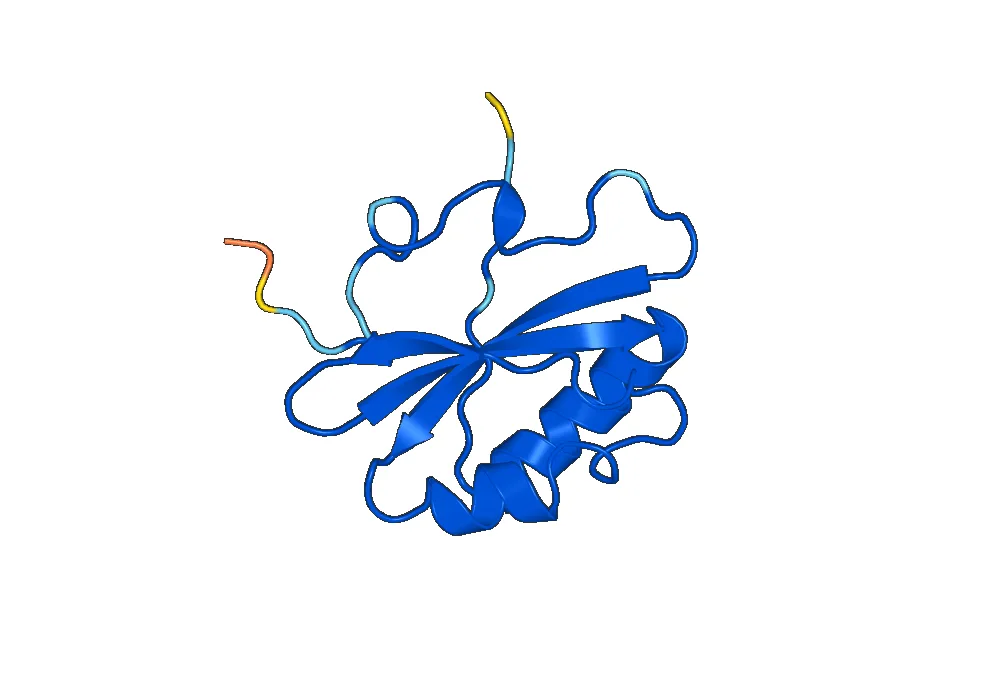
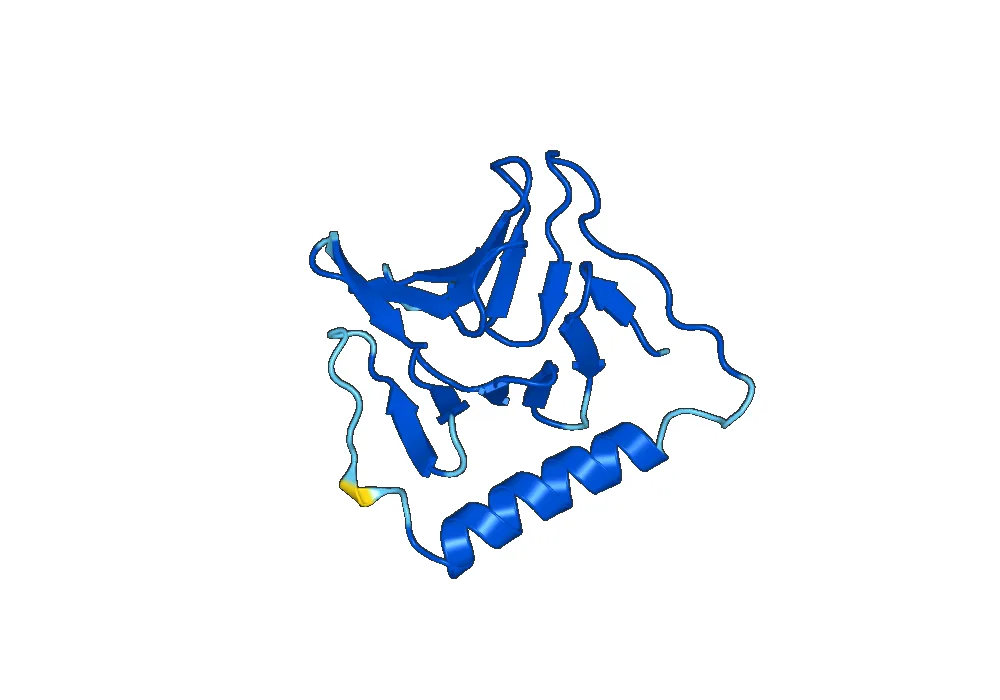
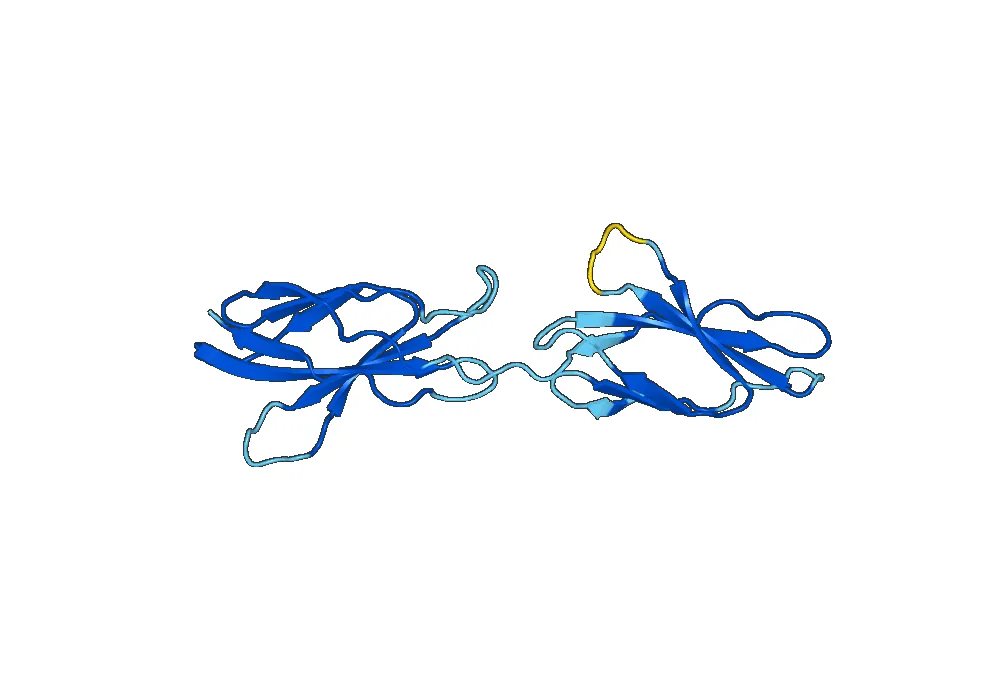
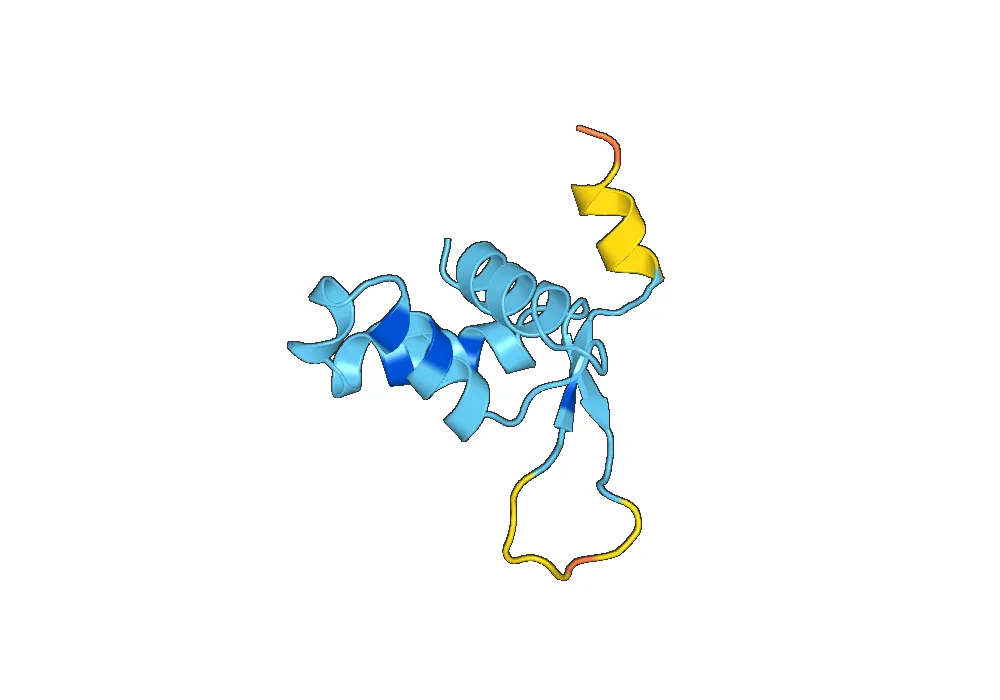
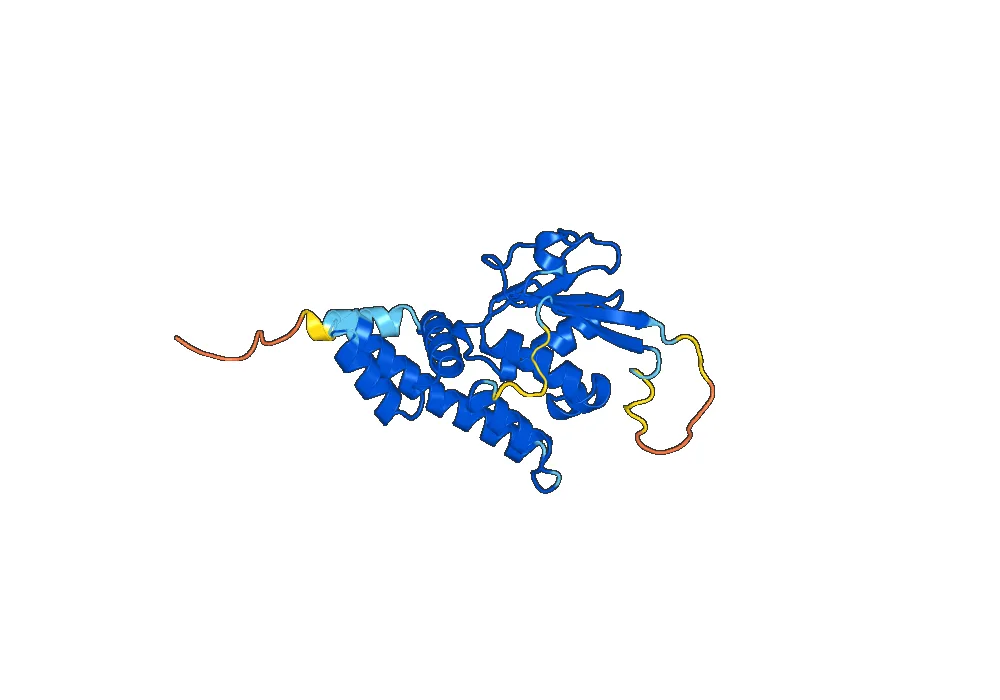
The TEX14 protein is composed of 1,514 amino acids and has a molecular weight of approximately 168 kDa. It contains multiple domains, including an N-terminal coiled-coil domain, a central domain with multiple HEAT repeats, and a C-terminal domain with a sterile alpha motif (SAM) domain. These domains are essential for the protein’s function in the synaptonemal complex.
Activity of Recombinant Human TEX14 Protein
TEX14 is primarily expressed in the testis and is involved in the assembly of the synaptonemal complex during meiosis. This complex is responsible for the pairing and recombination of homologous chromosomes, which is essential for the production of genetically diverse gametes. TEX14 acts as a scaffold protein, bringing together other proteins involved in the formation of the synaptonemal complex. It also plays a role in regulating the length of the synaptonemal complex, which is crucial for proper chromosome segregation during meiosis.
Aside from its role in meiosis, TEX14 has also been found to be involved in other cellular processes, such as cell division and apoptosis. It interacts with various proteins, including members of the polo-like kinase family, suggesting its potential role in regulating cell cycle progression. Additionally, studies have shown that TEX14 is essential for the maintenance of male germ cells and is required for spermatogenesis.
Application of Recombinant Human TEX14 Protein
The unique structure and function of TEX14 make it a promising candidate for various applications in the scientific and medical fields. One potential application is its use as a diagnostic marker for male infertility. Studies have shown that mutations in the TEX14 gene can lead to male infertility, making it a potential biomarker for this condition. Additionally, TEX14 has been found to be overexpressed in certain types of testicular cancer, making it a potential target for cancer therapy.
Furthermore, the recombinant form of TEX14 can be used in biotechnology for the production of genetically diverse offspring in livestock and plants. As TEX14 is involved in meiosis, its manipulation can potentially lead to the production of offspring with desired traits. This can have significant implications in the agricultural industry, where the production of genetically diverse and superior offspring is crucial.
In the field of reproductive biology, recombinant TEX14 can be used to study the mechanisms of meiosis and the formation of the synaptonemal complex. This can provide valuable insights into the genetic and molecular basis of reproductive disorders and may lead to the development of new treatments for these conditions.
Conclusion
In conclusion, Recombinant Human TEX14 Protein is a key player in the formation and function of the synaptonemal complex during meiosis. Its unique structure and diverse functions make it a promising candidate for various applications in the scientific and medical fields. Further research on this protein may lead to significant advancements in reproductive biology, cancer research, and biotechnology.



There are no reviews yet.