Introduction
Recombinant Human TIA1 Protein, also known as T-cell-restricted intracellular antigen 1, is a 41 kDa protein that plays a crucial role in the regulation of RNA metabolism. It is a member of the RNA-binding protein family and is involved in various cellular processes such as transcription, translation, and mRNA splicing. In this article, we will discuss the structure, activity, and applications of Recombinant Human TIA1 Protein.
Structure of Recombinant Human TIA1 Protein
The gene encoding TIA1 protein is located on chromosome 2 in humans and is highly conserved among different species. The protein is composed of 341 amino acids and contains three RNA recognition motifs (RRMs) and a C-terminal glutamine-rich domain. The RRMs are responsible for binding to specific RNA sequences, while the glutamine-rich domain mediates protein-protein interactions.
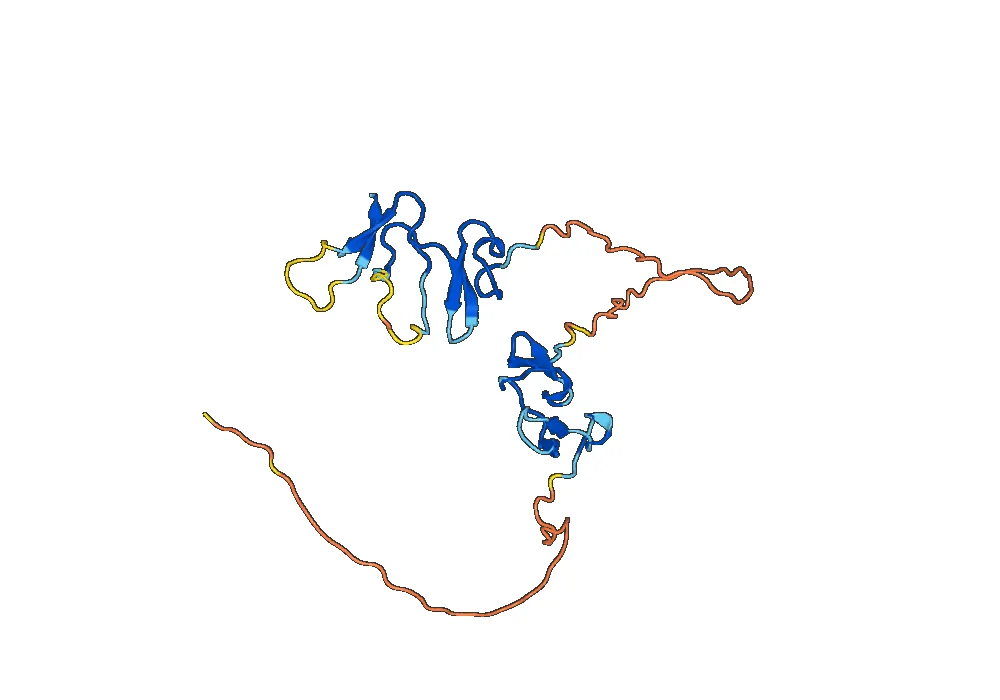
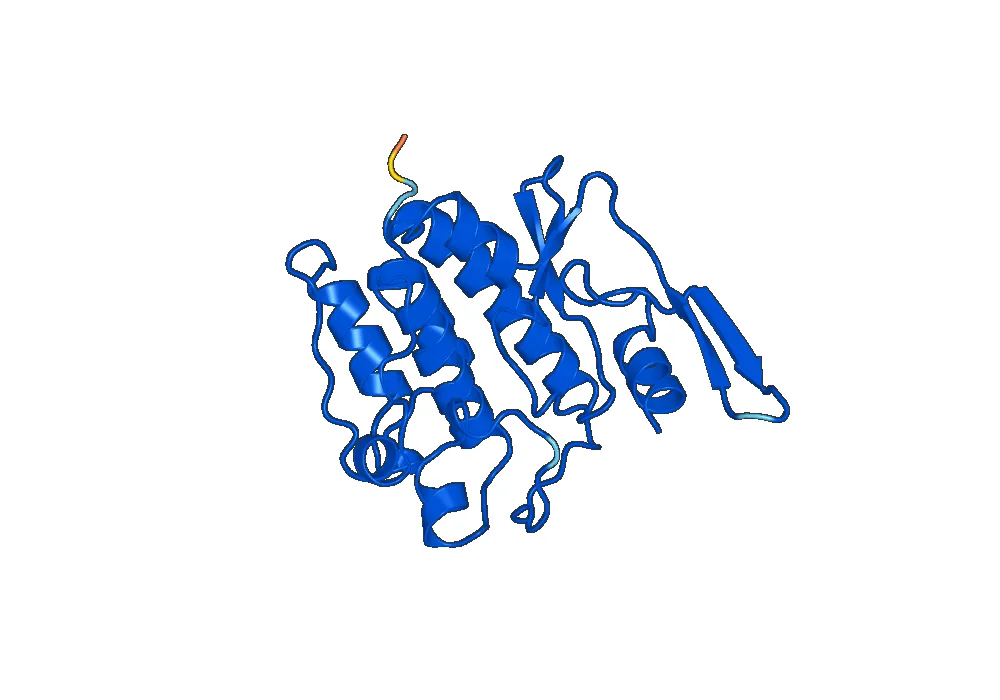
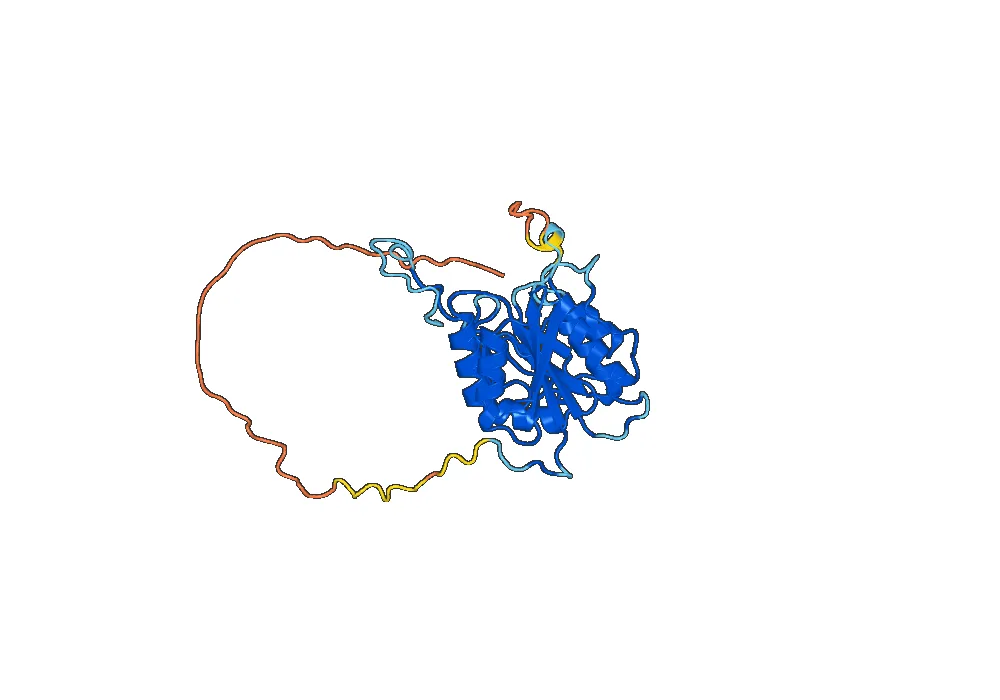
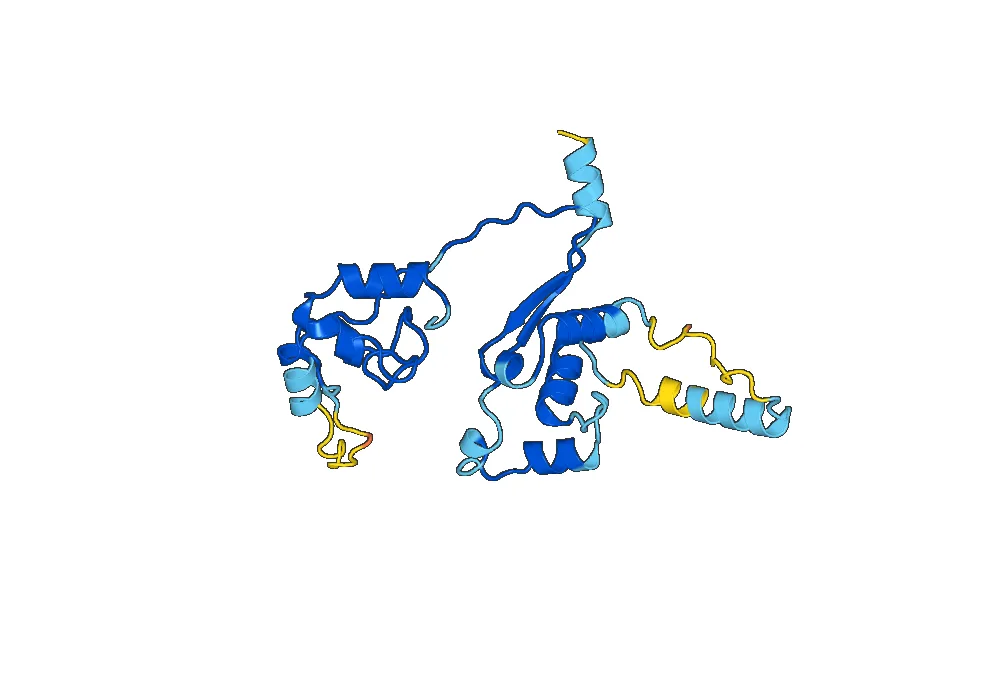
The crystal structure of TIA1 protein has been determined, revealing a compact globular structure with the three RRMs forming a central core and the glutamine-rich domain extending outwards. This structure allows TIA1 to interact with multiple RNA molecules simultaneously, making it a key player in RNA regulation.
Activity of Recombinant Human TIA1 Protein
TIA1 protein is primarily known for its role in regulating alternative splicing of pre-mRNA. It binds to specific RNA sequences, known as U-rich elements, in the 3′ untranslated regions (UTRs) of target mRNAs. This binding can either promote or inhibit the inclusion of specific exons during splicing, thus regulating the expression of different isoforms of a gene.
Besides splicing, TIA1 also plays a role in mRNA translation and stability. It has been shown to interact with components of the translation machinery and can either enhance or repress translation depending on the cellular context. TIA1 also has the ability to form stress granules, which are cytoplasmic structures that store untranslated mRNAs during cellular stress.
Applications of Recombinant Human TIA1 Protein
Due to its important role in RNA regulation, Recombinant Human TIA1 Protein has several potential applications in both research and medicine. One of the main applications is in the study of alternative splicing. By using recombinant TIA1 protein, researchers can manipulate the splicing of specific genes and study the resulting effects on protein expression and function.
TIA1 protein has also been implicated in various diseases, including cancer and neurodegenerative disorders. Therefore, it is a potential target for therapeutic interventions. Recombinant TIA1 protein can be used to screen for small molecule inhibitors that can modulate its activity and potentially treat these diseases.
Furthermore, recombinant TIA1 protein can be used as an antigen in immunological studies. It has been shown to be a target of autoantibodies in patients with autoimmune diseases, such as systemic lupus erythematosus. By using recombinant TIA1 protein, researchers can study the immune response to this protein and its potential role in autoimmune disorders.
Conclusion
In conclusion, Recombinant Human TIA1 Protein is a crucial player in the regulation of RNA metabolism. Its structure allows for its multiple functions in splicing, translation, and stress response. With its potential applications in research and medicine, recombinant TIA1 protein is a valuable tool for understanding the complex mechanisms of RNA regulation and its role in various diseases.
There are no reviews yet.