Introduction
Recombinant proteins have revolutionized the field of biotechnology and have become an essential tool in various scientific research and applications. One such protein is the Recombinant Human TMPRSS11E/DESC1 Protein, which has gained significant attention in recent years due to its unique structure, activity, and potential applications. In this article, we will delve into the details of this protein, including its structure, activity, and various applications.
Structure of Recombinant Human TMPRSS11E/DESC1 Protein
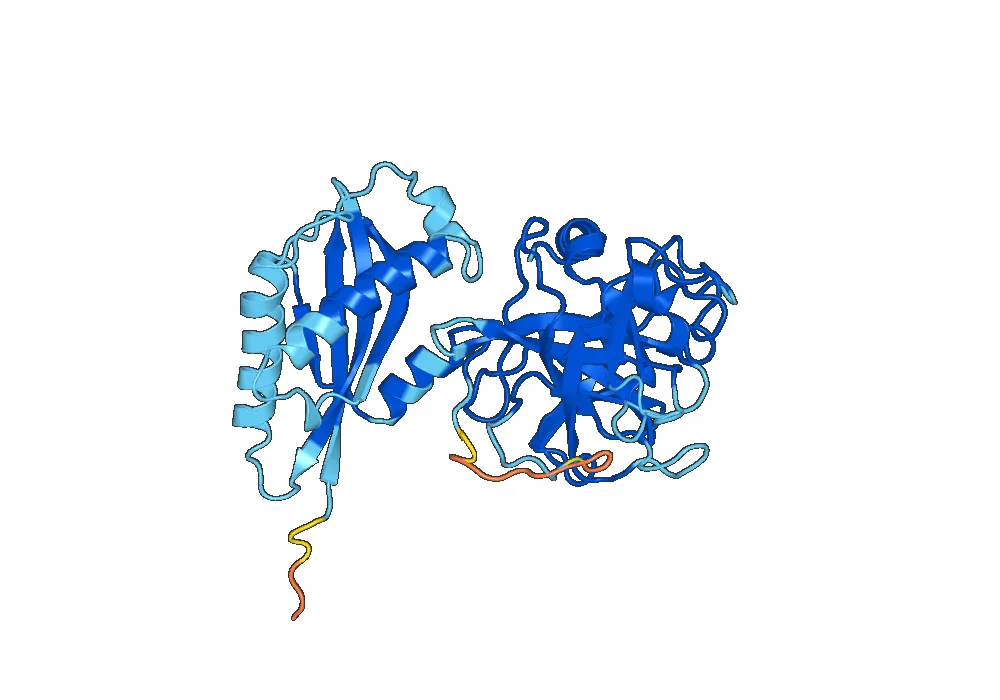
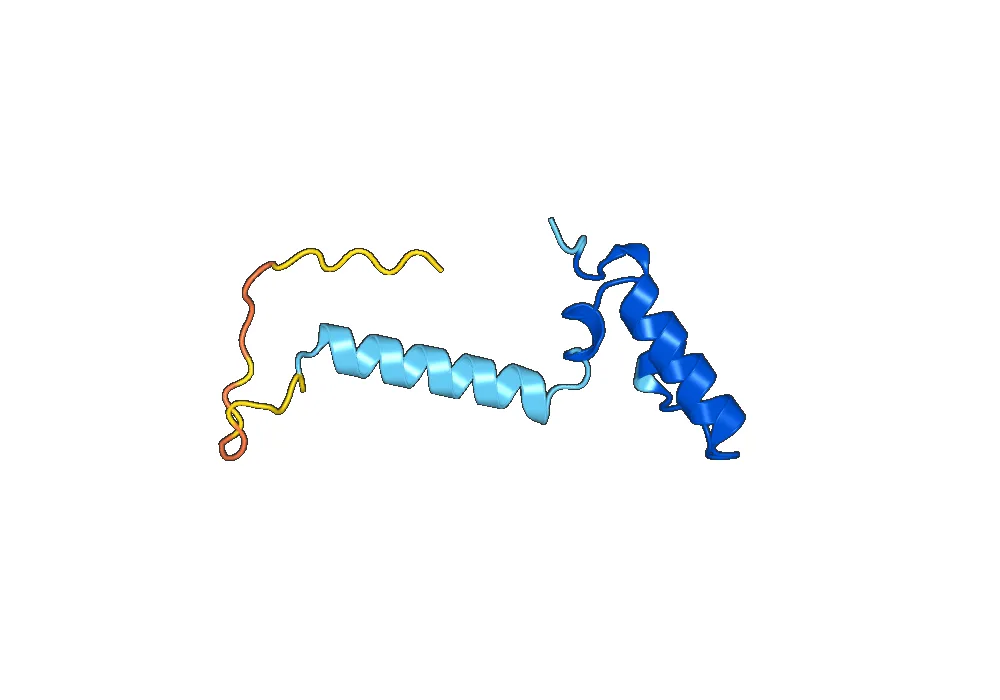
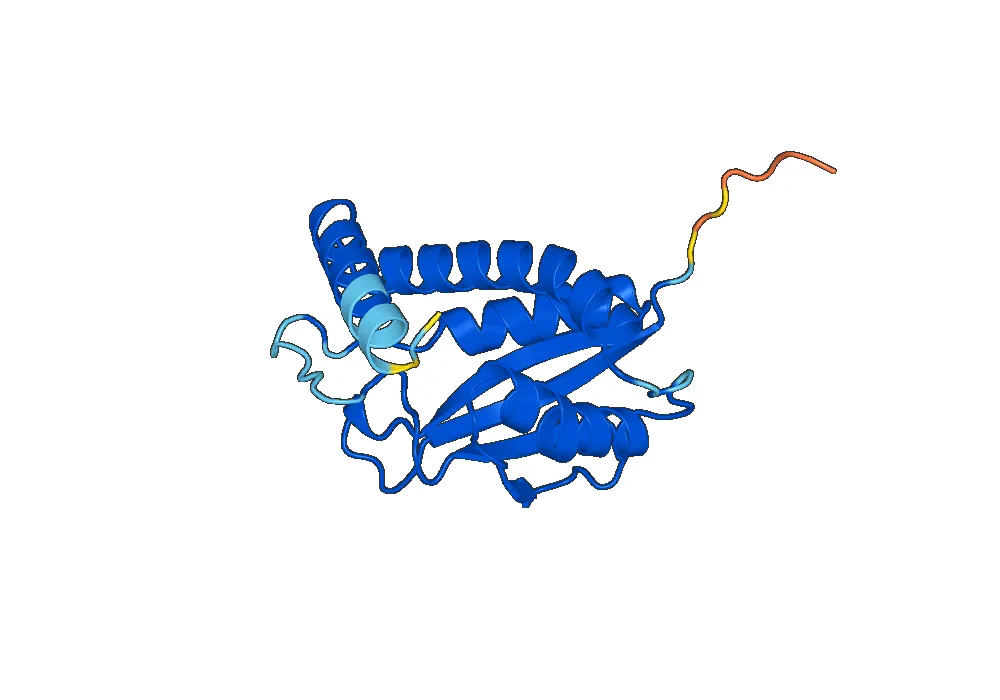
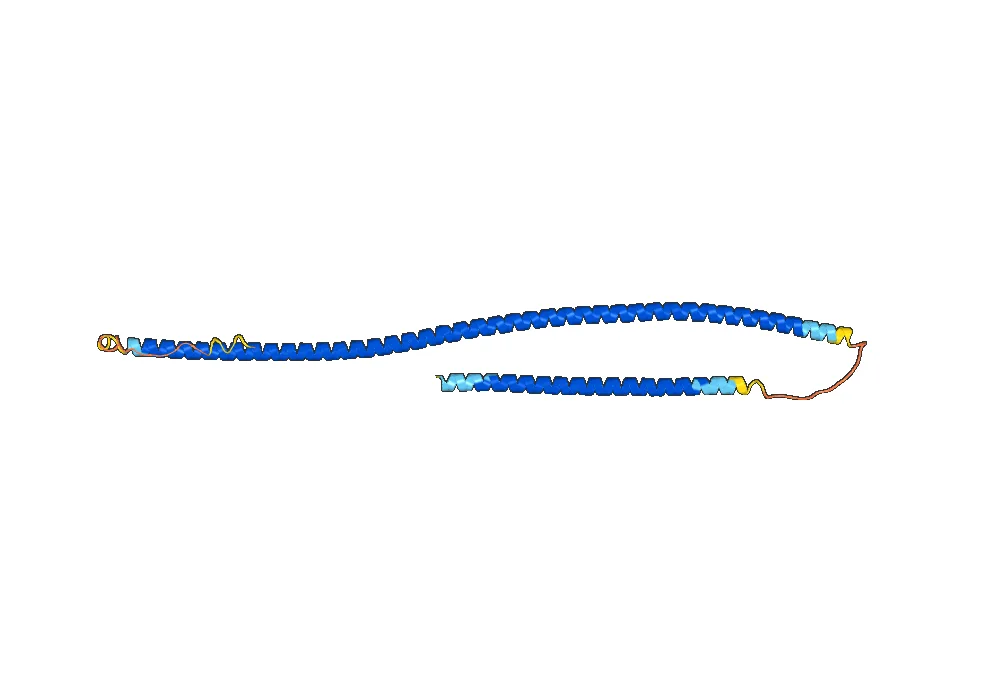
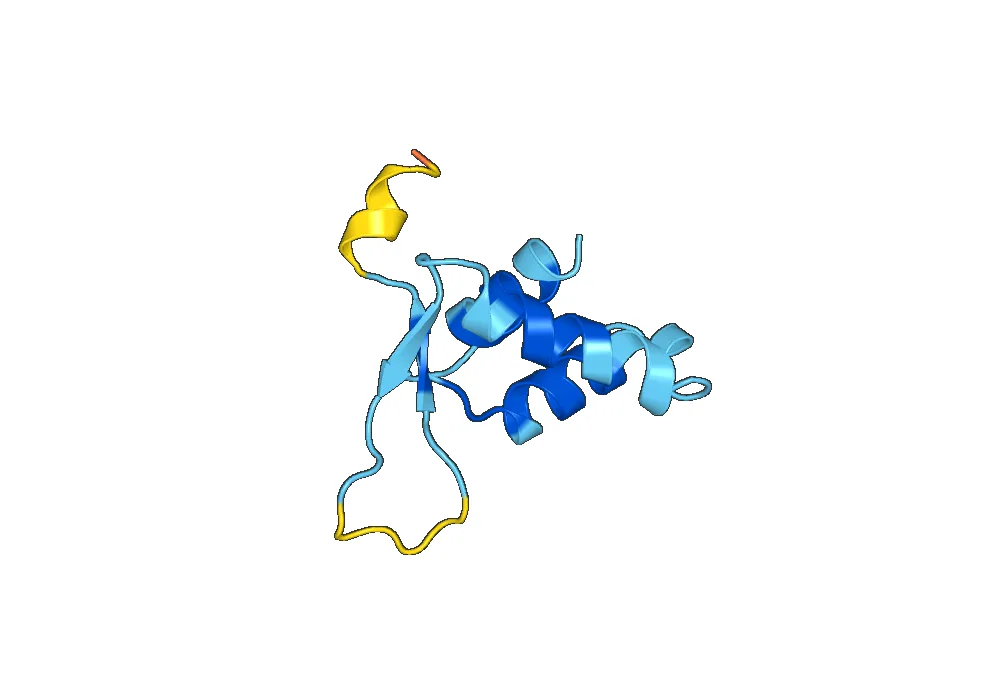
Recombinant Human TMPRSS11E/DESC1 Protein is a member of the type II transmembrane serine protease (TTSP) family, which is known for its role in regulating various biological processes such as cell growth, differentiation, and immune response. This protein is encoded by the TMPRSS11E gene and is composed of 400 amino acids. It consists of a cytoplasmic domain, a transmembrane domain, and an extracellular domain. The extracellular domain contains a serine protease catalytic domain, a low-density lipoprotein receptor class A (LDLRA) domain, and a scavenger receptor cysteine-rich (SRCR) domain.
Activity of Recombinant Human TMPRSS11E/DESC1 Protein
Recombinant Human TMPRSS11E/DESC1 Protein has been shown to exhibit proteolytic activity, which is essential for its role in various biological processes. This protein is involved in the activation of several protease-activated receptors (PARs), which are G protein-coupled receptors that play a crucial role in various cellular functions such as inflammation, wound healing, and cancer progression. TMPRSS11E/DESC1 has also been shown to cleave and activate the influenza virus hemagglutinin, making it an important target for antiviral therapy.
Moreover, studies have also demonstrated that Recombinant Human TMPRSS11E/DESC1 Protein plays a crucial role in the regulation of epithelial barrier function. It has been shown to cleave the extracellular domain of the E-cadherin protein, which is essential for maintaining the integrity of epithelial cell layers. This proteolytic activity of TMPRSS11E/DESC1 is crucial for the formation and maintenance of tight junctions, which play a vital role in regulating the permeability of epithelial barriers.
Applications of Recombinant Human TMPRSS11E/DESC1 Protein
The unique structure and activity of Recombinant Human TMPRSS11E/DESC1 Protein make it an attractive target for various scientific research and applications. One of the potential applications of this protein is in the development of antiviral therapies. As mentioned earlier, TMPRSS11E/DESC1 plays a crucial role in the activation of influenza virus, making it a potential target for antiviral drugs. In fact, studies have shown that inhibition of TMPRSS11E/DESC1 activity can significantly reduce viral replication and spread, making it a promising target for the treatment of influenza infections.
Moreover, the role of TMPRSS11E/DESC1 in regulating epithelial barrier function makes it a potential target for the treatment of various inflammatory and autoimmune diseases. Studies have shown that increased expression of this protein is associated with various inflammatory conditions such as asthma, psoriasis, and inflammatory bowel disease. Inhibition of TMPRSS11E/DESC1 activity can potentially reduce inflammation and improve the integrity of epithelial barriers, making it a promising target for the treatment of these diseases.
Furthermore, Recombinant Human TMPRSS11E/DESC1 Protein has also been studied for its potential role in cancer progression. Studies have shown that this protein is overexpressed in various types of cancer, including breast, prostate, and lung cancer. Inhibition of TMPRSS11E/DESC1 activity has been shown to reduce cancer cell proliferation and migration, making it a potential target for cancer therapy.
Conclusion</h2

There are no reviews yet.