Introduction to Recombinant Mouse APOE Protein
Recombinant Mouse APOE Protein is a highly purified form of the apolipoprotein E (APOE) protein that is produced using recombinant DNA technology. APOE is a protein that plays a crucial role in lipid metabolism and is primarily found in the brain and liver. The recombinant form of this protein has been widely used in various research studies and has shown promising results in the treatment of various diseases.
Structure of Recombinant Mouse APOE Protein
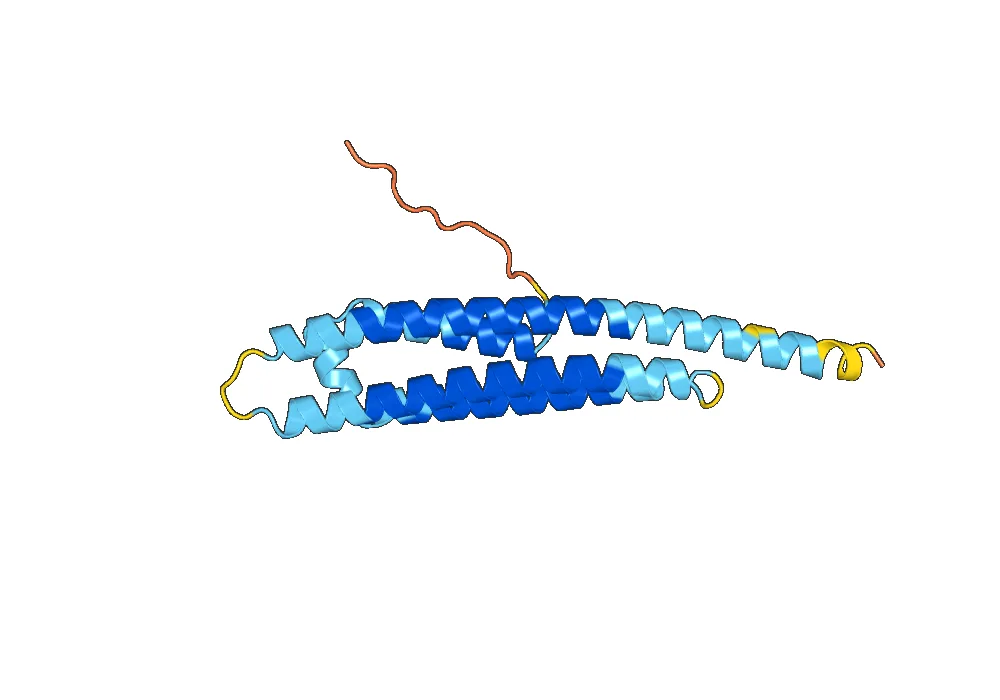
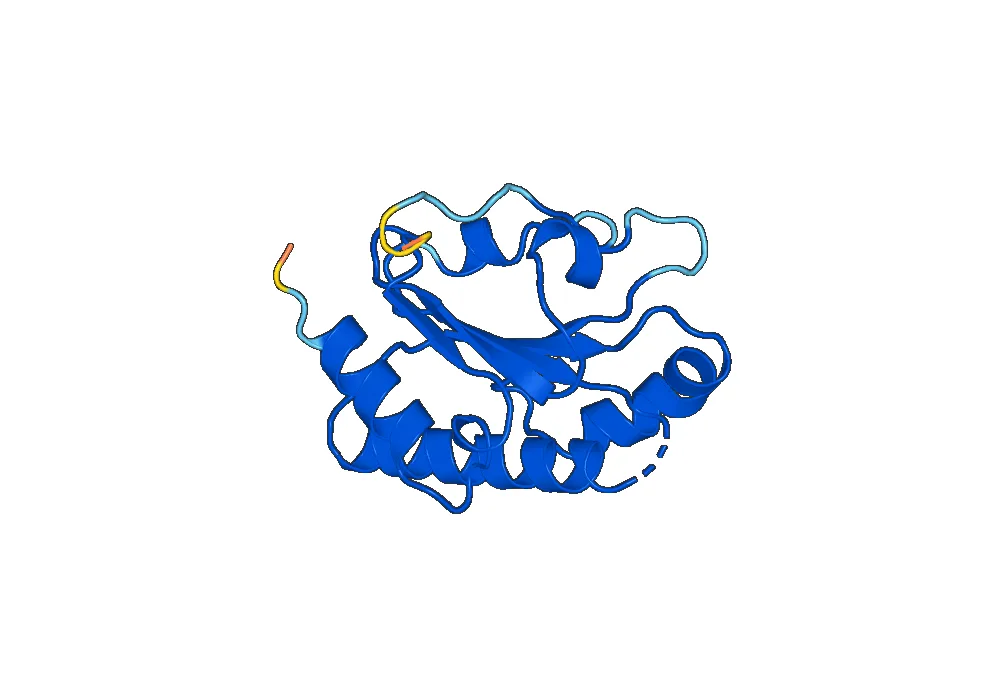
Recombinant Mouse APOE Protein is a 299 amino acid protein with a molecular weight of approximately 34 kDa. It is composed of two domains, an N-terminal domain and a C-terminal domain, connected by a hinge region. The N-terminal domain contains a lipid-binding region, while the C-terminal domain is responsible for receptor binding. The protein also contains two cysteine residues that form a disulfide bond, contributing to its stability.
Activity of Recombinant Mouse APOE Protein
Recombinant Mouse APOE Protein plays a crucial role in lipid metabolism by facilitating the transport and metabolism of lipoproteins. It acts as a ligand for the low-density lipoprotein (LDL) receptor, binding to it and promoting the uptake of LDL cholesterol into cells. It also interacts with other receptors, such as the very-low-density lipoprotein (VLDL) receptor and the LDL receptor-related protein (LRP), to regulate lipid metabolism.
In addition to its role in lipid metabolism, recombinant APOE has also been shown to have neuroprotective and anti-inflammatory properties. It has been found to play a crucial role in maintaining the integrity of the blood-brain barrier, and studies have shown that it can protect against neurodegenerative diseases such as Alzheimer’s disease.
Application of Recombinant Mouse APOE Protein
Recombinant Mouse APOE Protein has a wide range of applications in both research and therapeutic settings. In research, it is commonly used as a tool to study the role of APOE in various diseases, including cardiovascular disease, Alzheimer’s disease, and atherosclerosis. Its ability to bind to different receptors also makes it a valuable tool for studying lipid metabolism and transport.
In therapeutic settings, recombinant APOE has shown promising results in the treatment of various diseases. It has been studied as a potential treatment for Alzheimer’s disease, as it has been found to have neuroprotective properties and can help prevent the formation of amyloid plaques in the brain. It has also been investigated as a potential therapy for atherosclerosis, as it can regulate lipid metabolism and promote the clearance of cholesterol from the blood.
Conclusion
Recombinant Mouse APOE Protein is a highly purified form of the APOE protein that has been produced using recombinant DNA technology. Its structure, activity, and applications make it a valuable tool in both research and therapeutic settings. Its role in lipid metabolism and its neuroprotective and anti-inflammatory properties make it a promising candidate for the treatment of various diseases. Further research and development of this protein may lead to new and effective treatments for diseases such as Alzheimer’s and atherosclerosis.



There are no reviews yet.