Introduction
Recombinant Mouse ASGR1 Protein, also known as Asialoglycoprotein Receptor 1, is a transmembrane protein that is involved in the recognition and uptake of glycoproteins by liver cells. It is a member of the C-type lectin family and is highly expressed in hepatocytes. Recombinant Mouse ASGR1 Protein is commonly used in research and therapeutic applications due to its unique structure and function.
Structure of Recombinant Mouse ASGR1 Protein
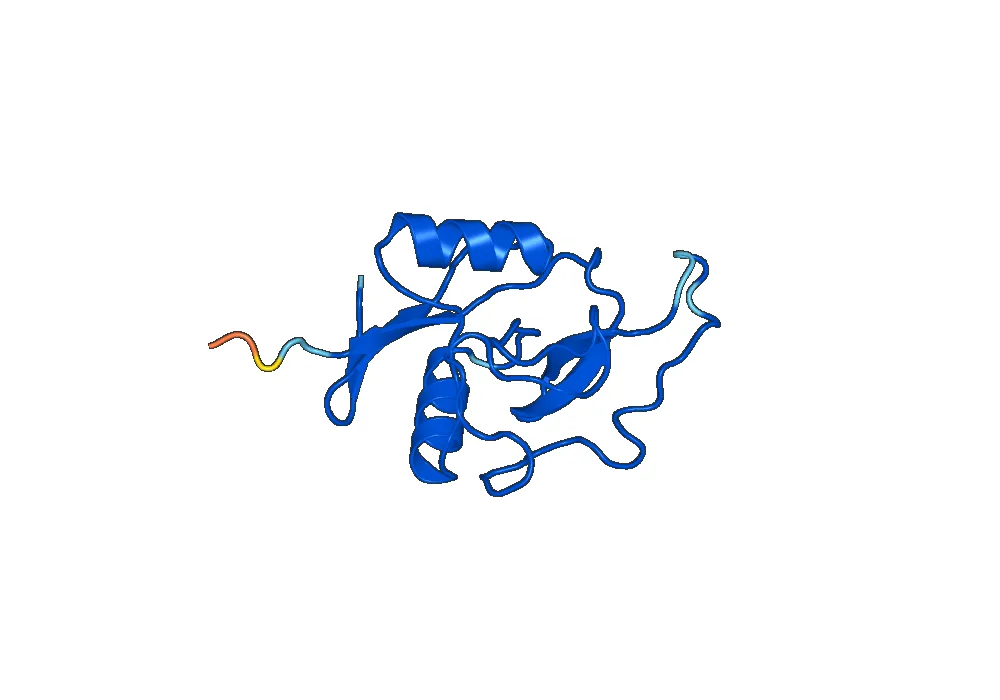
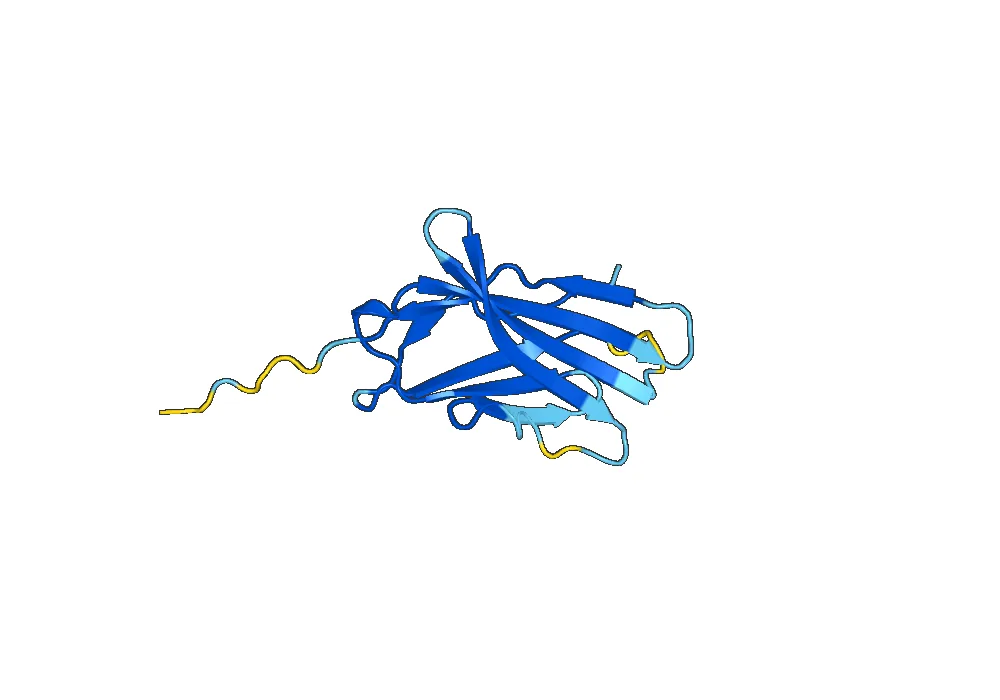
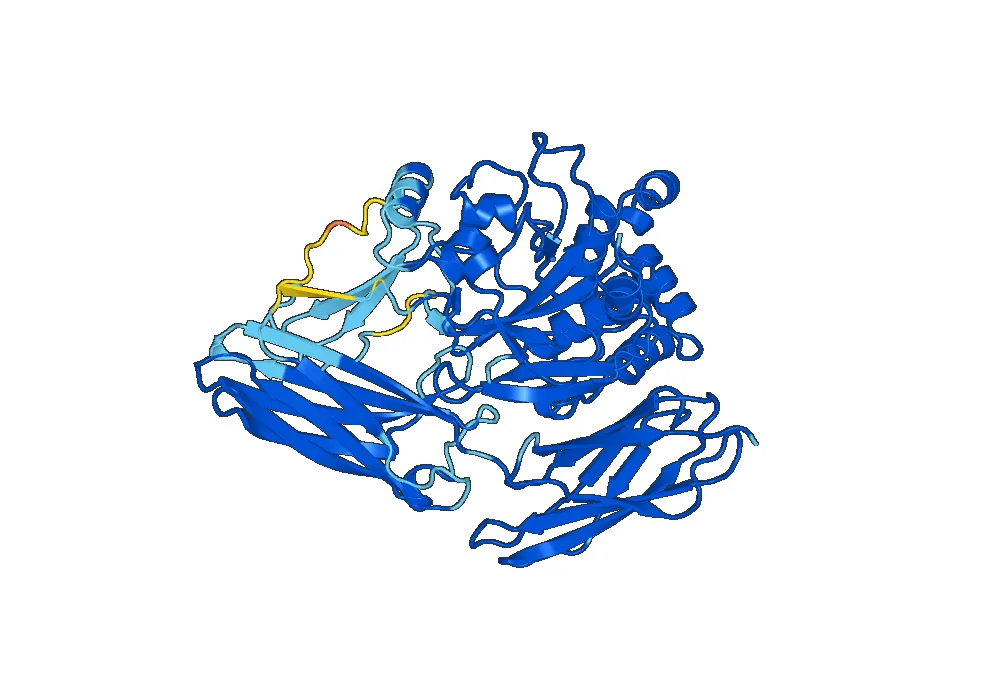
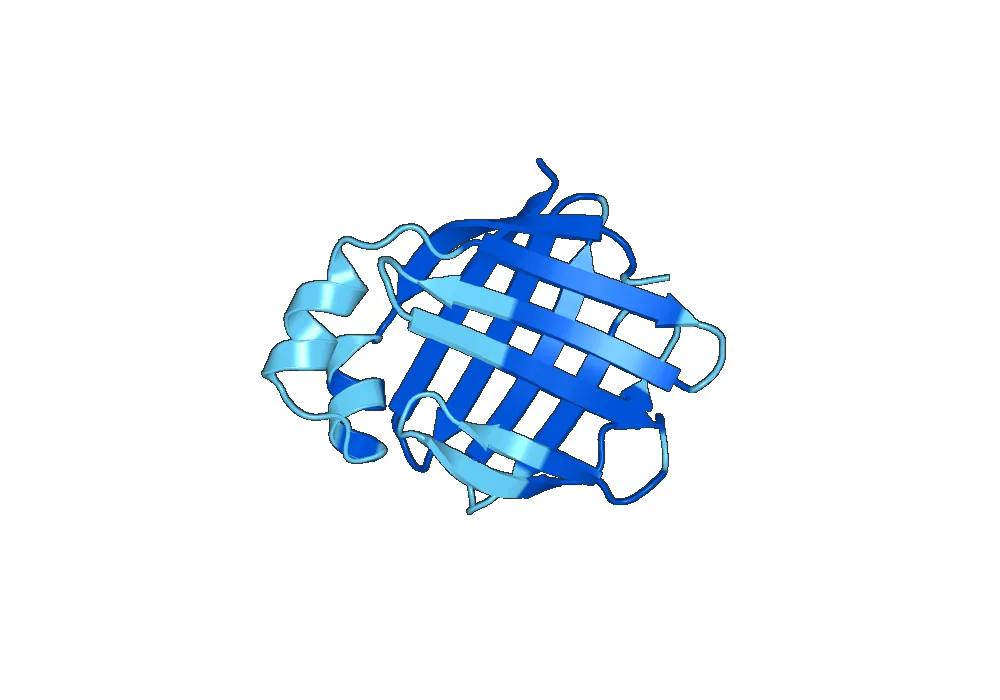
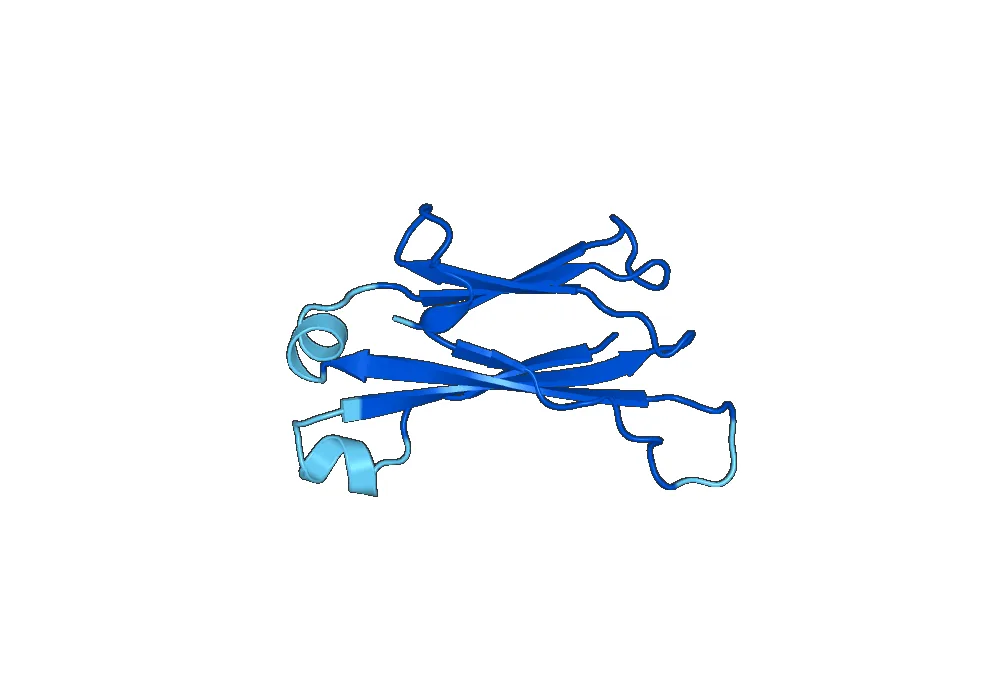
Recombinant Mouse ASGR1 Protein is composed of two subunits, alpha and beta, which are linked by disulfide bonds. The alpha subunit is responsible for ligand binding, while the beta subunit is involved in signal transduction. The alpha subunit contains a carbohydrate recognition domain (CRD) that specifically binds to terminal galactose and N-acetylgalactosamine residues on glycoproteins. This CRD is highly conserved among species, making Recombinant Mouse ASGR1 Protein an ideal model for studying ligand binding and specificity.
Activity of Recombinant Mouse ASGR1 Protein
The main function of Recombinant Mouse ASGR1 Protein is to mediate the endocytosis of glycoproteins, particularly those containing galactose and N-acetylgalactosamine residues. This process involves the binding of the CRD of Recombinant Mouse ASGR1 Protein to the glycoprotein, followed by internalization and degradation of the complex. This activity is essential for the clearance of circulating glycoproteins and plays a crucial role in maintaining homeostasis in the body.
In addition to its role in glycoprotein uptake, Recombinant Mouse ASGR1 Protein has also been shown to play a role in cell adhesion and migration. It has been found to interact with other cell surface receptors and signaling molecules, suggesting a potential role in cell signaling pathways.
Applications of Recombinant Mouse ASGR1 Protein
Recombinant Mouse ASGR1 Protein has a wide range of applications in both research and therapeutics. Its ability to specifically bind and internalize glycoproteins makes it a valuable tool for studying protein trafficking and clearance mechanisms. This has led to its use in various studies related to liver diseases, such as viral hepatitis and liver fibrosis.
In addition, Recombinant Mouse ASGR1 Protein has been used in the development of targeted drug delivery systems. By conjugating drugs or therapeutic molecules to glycoproteins recognized by Recombinant Mouse ASGR1 Protein, researchers have been able to specifically target liver cells and deliver treatments directly to the site of disease.
Furthermore, Recombinant Mouse ASGR1 Protein has shown potential as a biomarker for liver diseases. Its expression has been found to be altered in various liver pathologies, making it a potential diagnostic and prognostic tool.
Conclusion
In summary, Recombinant Mouse ASGR1 Protein is a highly specialized transmembrane protein that plays a crucial role in the recognition and uptake of glycoproteins by liver cells. Its unique structure and function make it a valuable tool for research and therapeutic applications. With ongoing studies and advancements in technology, the potential uses of Recombinant Mouse ASGR1 Protein are continuously expanding, making it an important protein in the field of biomedicine.

There are no reviews yet.