Introduction
Recombinant proteins are proteins that are produced through the use of recombinant DNA technology, which involves inserting a desired gene into a host organism, such as bacteria or yeast, to produce large quantities of the desired protein. Among the various recombinant proteins, Recombinant Mouse BID Protein has gained significant attention in the scientific community due to its unique structure, diverse activity, and potential applications in various fields.
Structure of Recombinant Mouse BID Protein
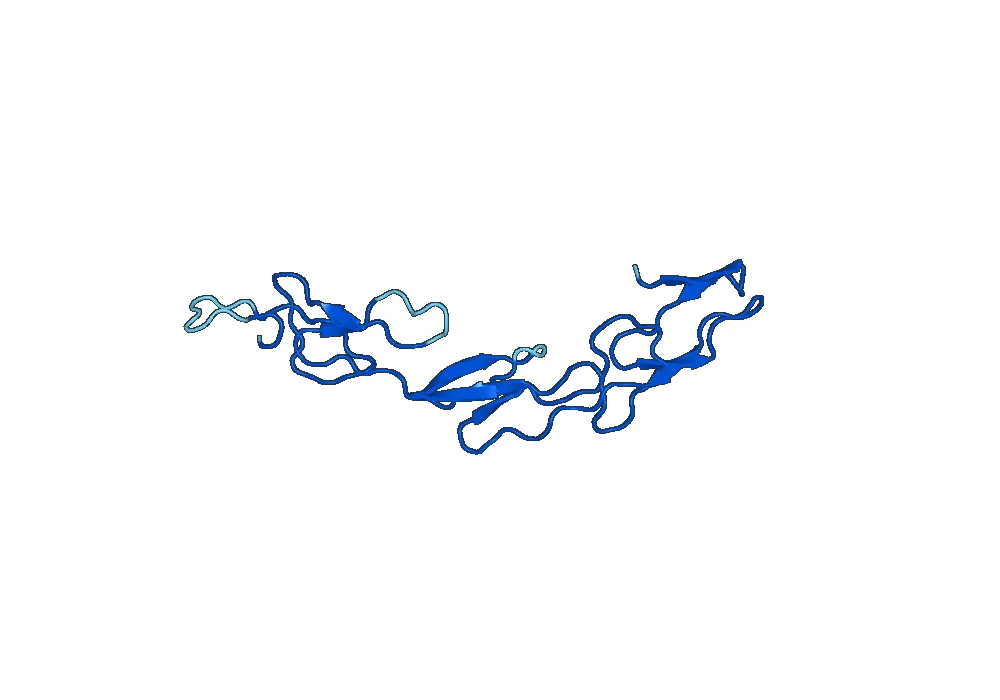
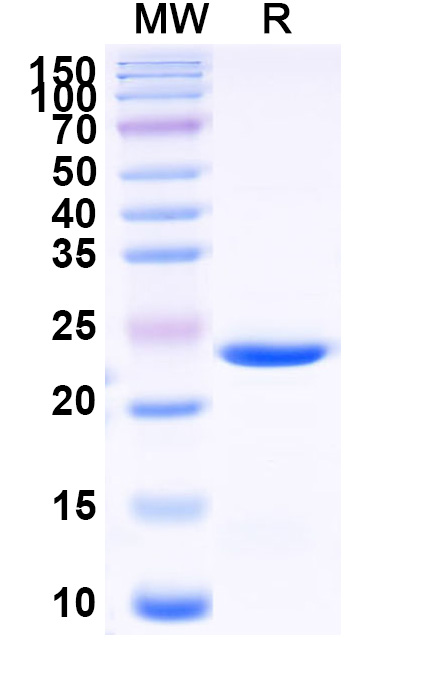
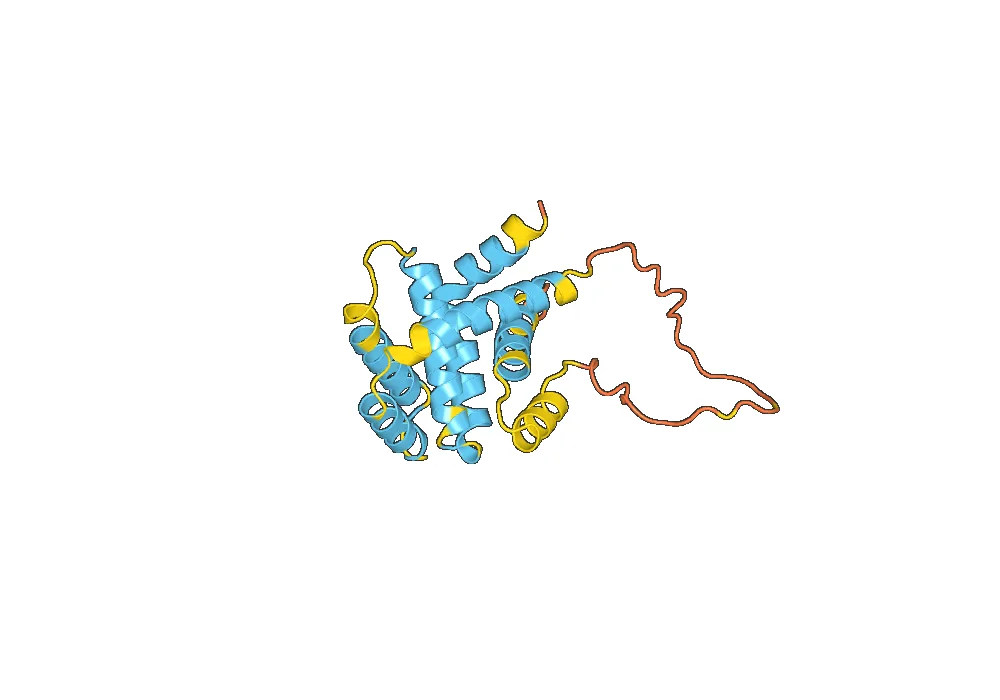
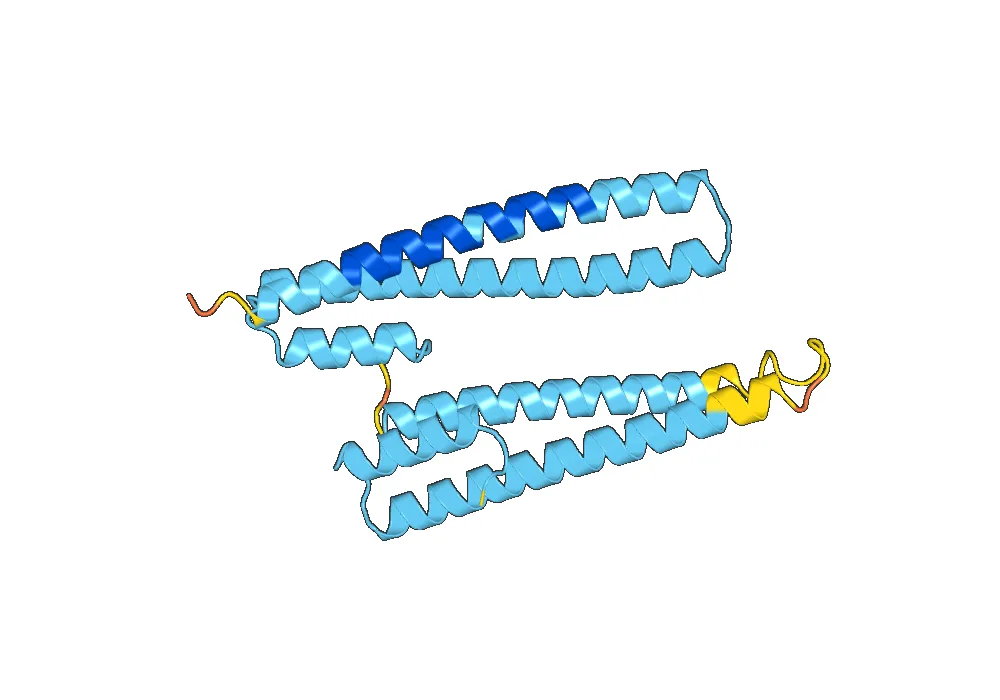
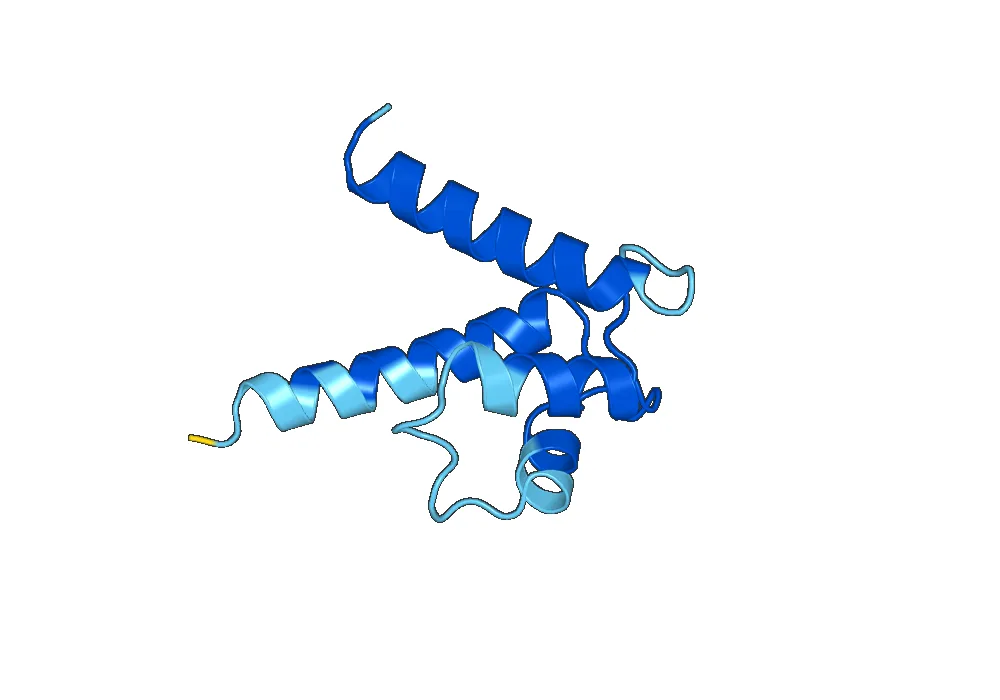
Recombinant Mouse BID Protein, also known as BH3-interacting domain death agonist, is a member of the Bcl-2 protein family. It is a 22 kDa protein consisting of 195 amino acids and is encoded by the Bid gene located on chromosome 6 in mice. The protein contains a BH3 domain, which is responsible for its pro-apoptotic activity, and a C-terminal transmembrane domain, which anchors it to the mitochondrial membrane.
Activity of Recombinant Mouse BID Protein
Recombinant Mouse BID Protein is primarily involved in the regulation of apoptosis, or programmed cell death. It acts as a pro-apoptotic protein by promoting the release of cytochrome c from the mitochondria, which triggers the activation of caspases, a family of proteases that carry out the process of apoptosis. This activity of Recombinant Mouse BID Protein is regulated by its interaction with other Bcl-2 family proteins, such as Bax and Bak, and is essential for maintaining the balance between cell survival and death.
In addition to its role in apoptosis, Recombinant Mouse BID Protein has also been shown to play a role in other cellular processes, such as autophagy and mitophagy. It has been reported that Recombinant Mouse BID Protein can induce autophagy by interacting with the autophagy regulator, Beclin-1. Furthermore, studies have shown that Recombinant Mouse BID Protein can also promote mitophagy, a process that involves the selective degradation of damaged mitochondria, thereby maintaining cellular homeostasis.
Applications of Recombinant Mouse BID Protein
Recombinant Mouse BID Protein has a wide range of potential applications in various fields, including cancer research, drug development, and biotechnology. Its pro-apoptotic activity makes it a promising target for cancer therapy, as dysregulation of apoptosis is a hallmark of cancer. Studies have shown that Recombinant Mouse BID Protein can sensitize cancer cells to chemotherapeutic drugs, making it a potential adjuvant in cancer treatment.
Moreover, Recombinant Mouse BID Protein has also been investigated as a potential therapeutic agent for neurodegenerative diseases, such as Alzheimer’s and Parkinson’s disease. Its ability to induce autophagy and mitophagy may play a crucial role in the clearance of toxic protein aggregates, which are characteristic of these diseases.
In the field of biotechnology, Recombinant Mouse BID Protein has been used as an antigen in various experimental studies. Its pro-apoptotic activity has been exploited to design novel cancer vaccines, which can stimulate the immune system to target cancer cells. Furthermore, Recombinant Mouse BID Protein has also been used as a tool in protein-protein interaction studies, providing insights into the complex regulatory networks involved in apoptosis and other cellular processes.
Conclusion
In summary, Recombinant Mouse BID Protein is a unique protein with a diverse range of activities and potential applications. Its structure, activity, and potential therapeutic and biotechnological applications make it a promising candidate for further research and development. With ongoing studies and advancements in recombinant DNA technology, the potential of Recombinant Mouse BID Protein is yet to be fully explored, and it holds great promise for future scientific discoveries.


There are no reviews yet.