Introduction
Recombinant Mouse CD120b, also known as TNFRSF1B or TNFR2, is a protein that plays a crucial role in the immune system. It belongs to the tumor necrosis factor receptor superfamily and is a key mediator of cell signaling and inflammation. In this article, we will explore the structure, activity, and application of this important recombinant protein.
Structure of Recombinant Mouse CD120b
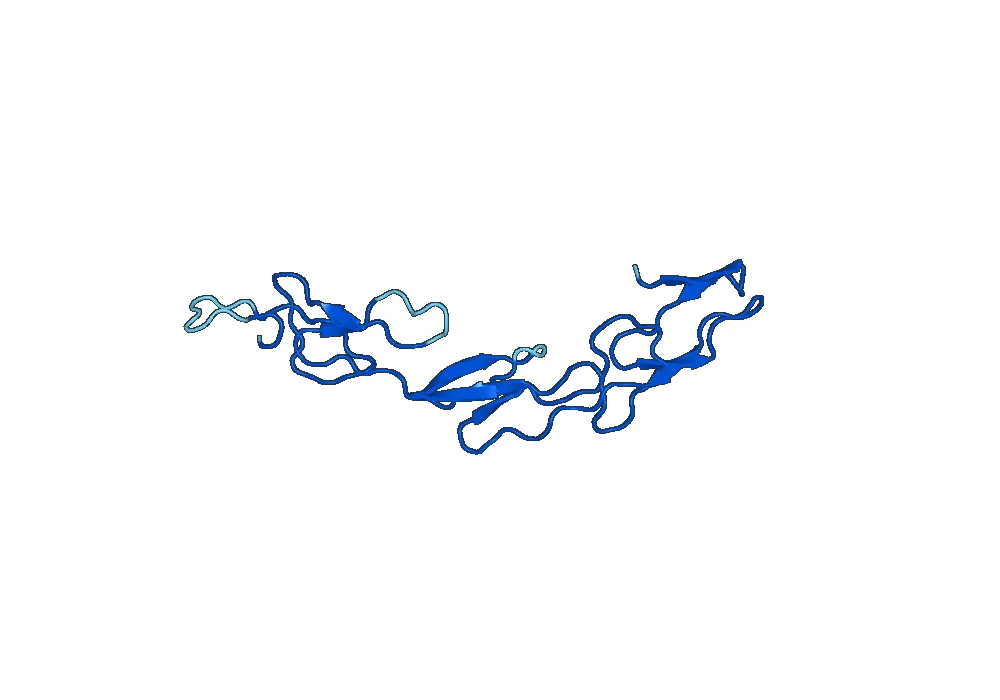
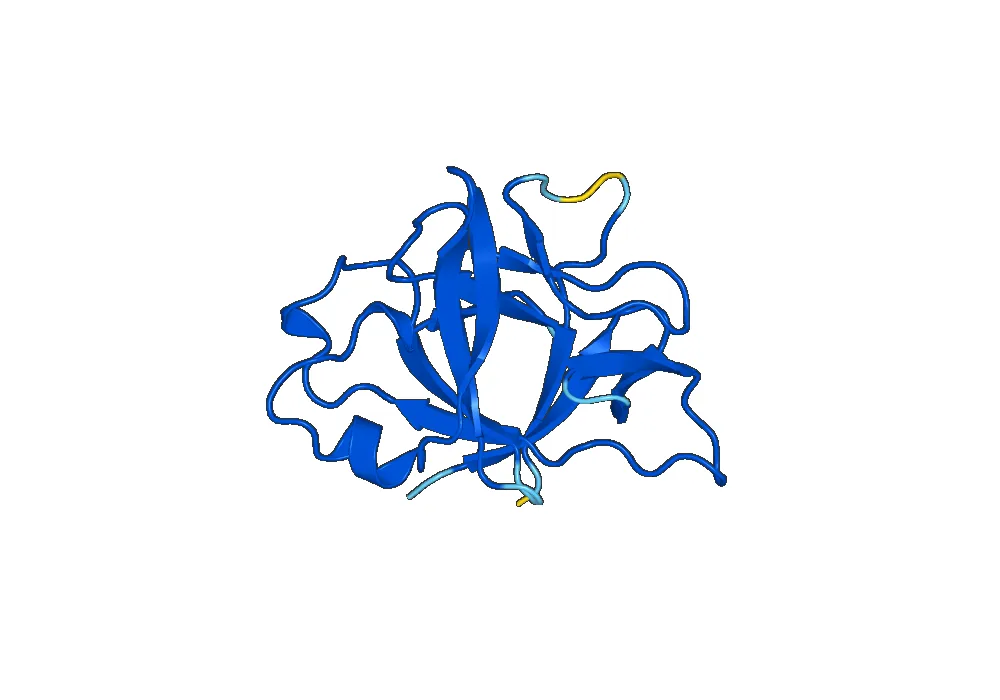
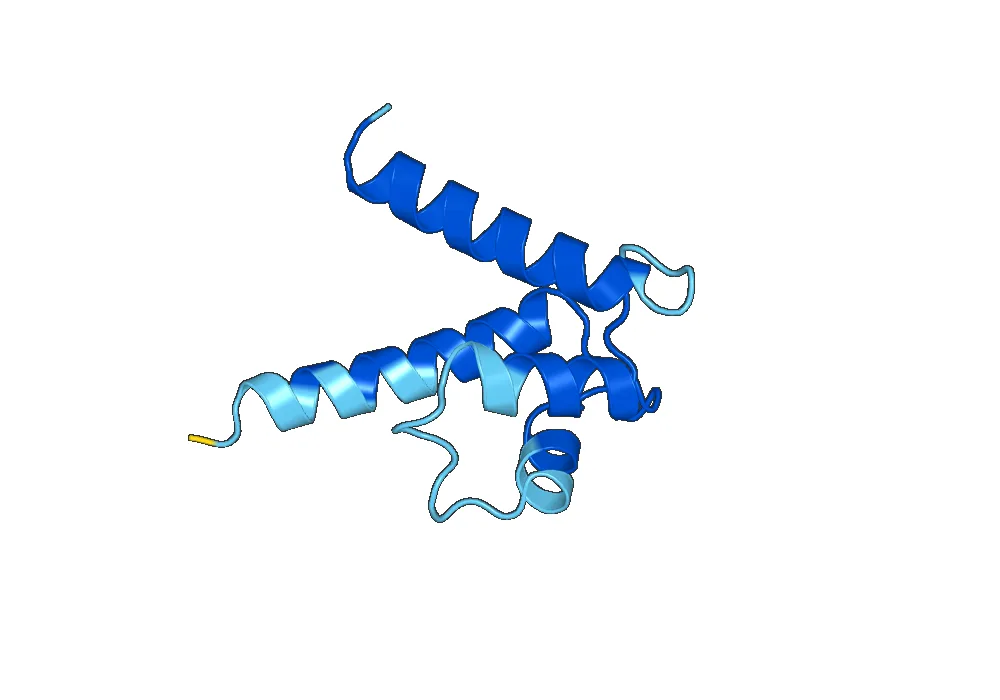
Recombinant Mouse CD120b is a transmembrane protein consisting of 461 amino acids. It is composed of an extracellular domain, a transmembrane domain, and an intracellular domain. The extracellular domain contains four cysteine-rich repeats, which are responsible for binding to its ligand, tumor necrosis factor (TNF). The transmembrane domain anchors the protein to the cell membrane, while the intracellular domain is involved in signal transduction.
Activity of Recombinant Mouse CD120b
The main function of Recombinant Mouse CD120b is to act as a receptor for TNF, a pro-inflammatory cytokine. Upon binding to TNF, CD120b undergoes a conformational change, leading to the activation of downstream signaling pathways. This results in the production of various cytokines and chemokines, leading to inflammation and immune response.
Apart from its role in inflammation, Recombinant Mouse CD120b also plays a crucial role in cell survival and apoptosis. It has been shown to regulate cell death by activating the NF-κB pathway, which promotes cell survival, or the JNK pathway, which induces apoptosis. This dual role of CD120b in cell survival and death makes it a critical regulator of tissue homeostasis and immune response.
Application of Recombinant Mouse CD120b
Recombinant Mouse CD120b has a wide range of applications in both research and therapeutic settings. One of its primary uses is in studying the role of TNF in various diseases, including autoimmune disorders, infectious diseases, and cancer. By blocking the interaction between TNF and CD120b, researchers can better understand the mechanisms of TNF-mediated inflammation and develop new treatments for these diseases.
In addition to its research applications, Recombinant Mouse CD120b has also been used in therapeutic settings. It has been shown to be effective in treating autoimmune diseases such as rheumatoid arthritis and Crohn’s disease. By blocking the activity of TNF, which is known to be elevated in these diseases, CD120b can reduce inflammation and alleviate symptoms.
Moreover, Recombinant Mouse CD120b has also been used in cancer treatment. TNF has been shown to play a role in tumor growth and metastasis, and by targeting CD120b, researchers can inhibit TNF-mediated signaling and potentially slow down tumor progression. This makes CD120b a promising target for cancer therapy.
Conclusion
In conclusion, Recombinant Mouse CD120b is a key player in the immune system, acting as a receptor for the pro-inflammatory cytokine TNF. Its structure, activity, and application have been extensively studied, and it has been shown to have a crucial role in inflammation, cell survival, and apoptosis. Its wide range of applications in research and therapy makes it a valuable tool in understanding and treating various diseases. Further research on this protein may lead to new insights and potential treatments for a range of conditions.


There are no reviews yet.