Introduction
Recombinant Mouse LRPAP1 Protein, also known as Low-Density Lipoprotein Receptor-Related Protein-Associated Protein 1, is a type of recombinant protein that has been widely used in scientific research and medical applications. This protein plays a crucial role in various biological processes, including lipid metabolism, cell signaling, and protein transport. In this article, we will provide a detailed description of the structure, activity, and applications of Recombinant Mouse LRPAP1 Protein.
Structure of Recombinant Mouse LRPAP1 Protein
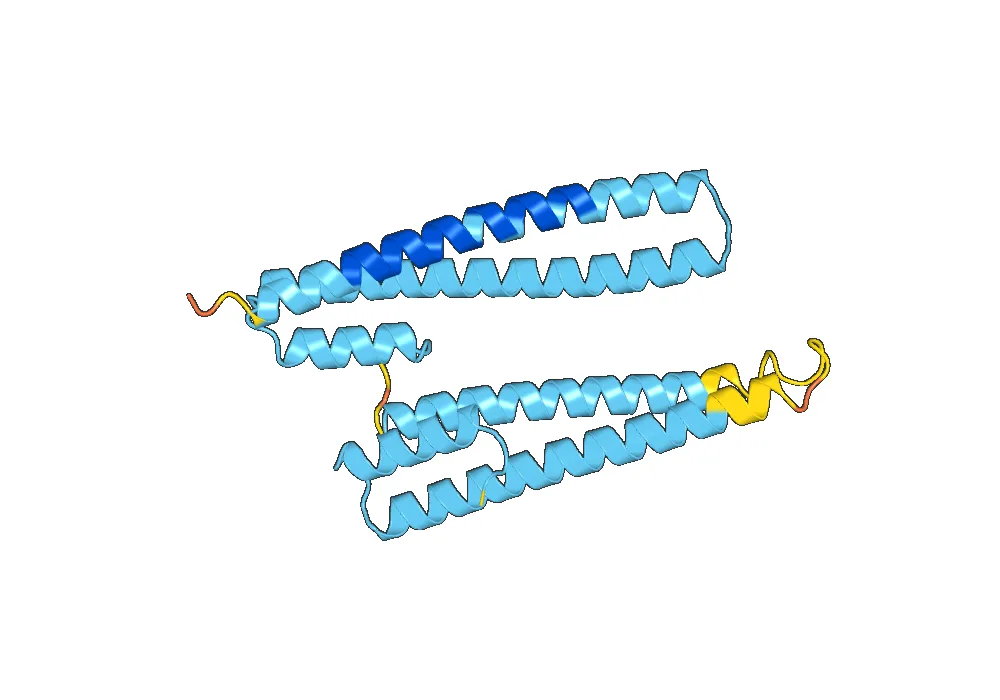
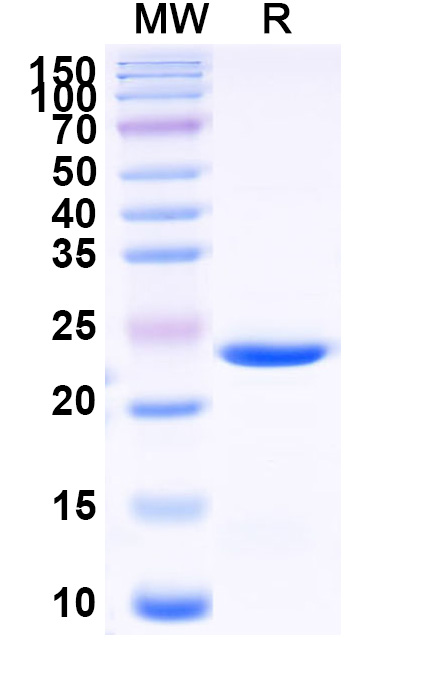
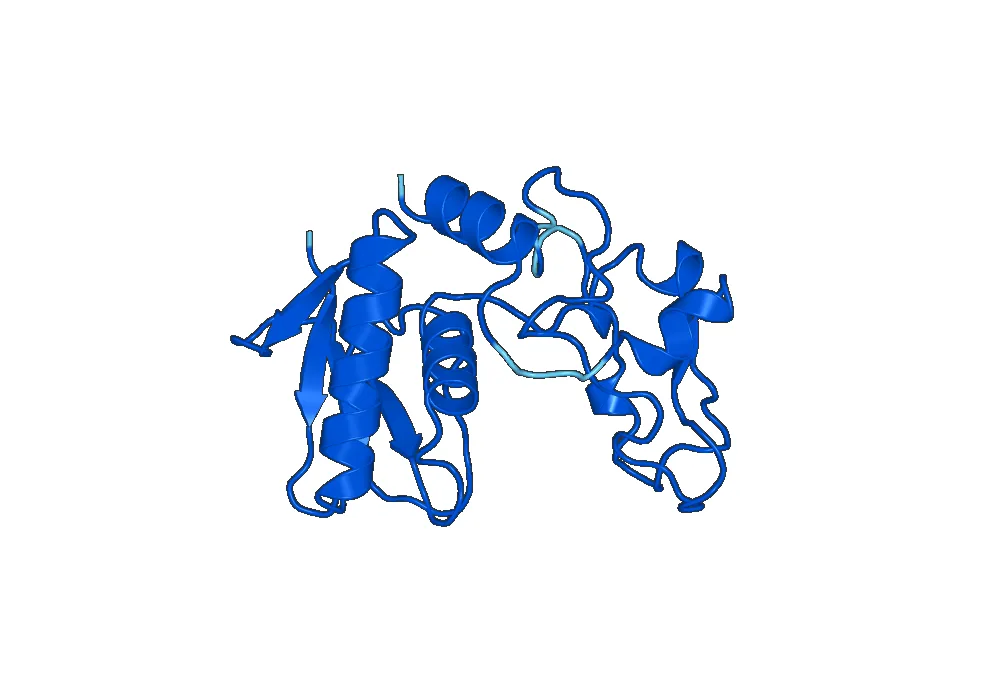
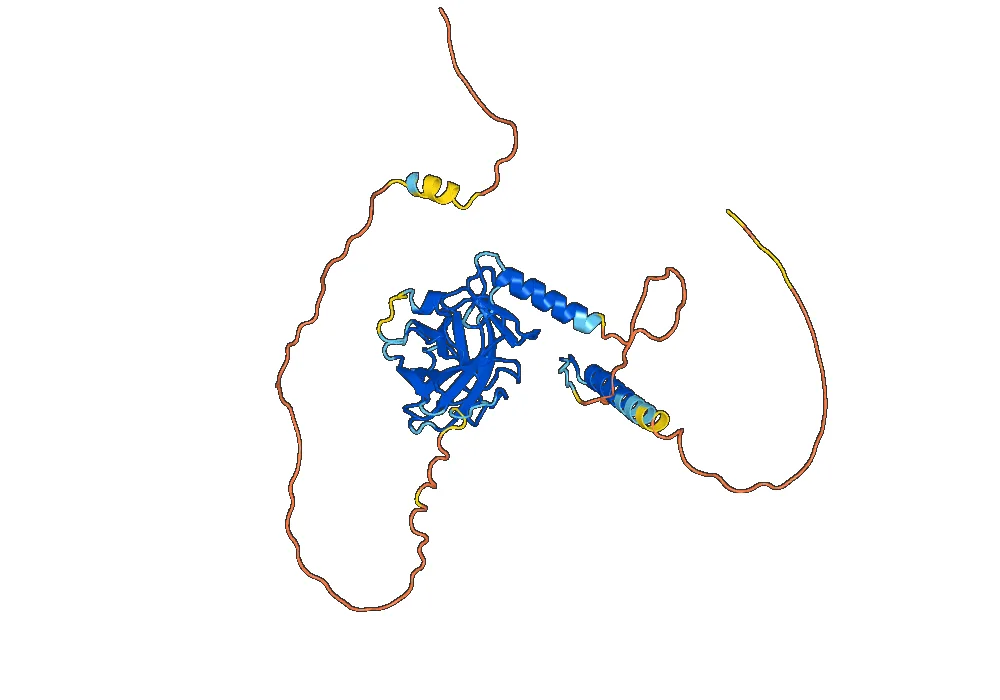
Recombinant Mouse LRPAP1 Protein is a 37 kDa glycoprotein that is composed of 331 amino acids. It is encoded by the Lrpap1 gene, which is located on chromosome 9 in mice. The protein is composed of three domains: an N-terminal domain, a central domain, and a C-terminal domain. The N-terminal domain is responsible for binding to the low-density lipoprotein receptor (LDLR), while the central domain is involved in the binding of lipoprotein particles. The C-terminal domain contains a conserved cysteine-rich region that is essential for protein-protein interactions.
Activity of Recombinant Mouse LRPAP1 Protein
The primary function of Recombinant Mouse LRPAP1 Protein is to act as a chaperone for the LDLR. It binds to the LDLR and facilitates its transport to the cell surface, where it plays a crucial role in the uptake of cholesterol-rich lipoproteins. Additionally, this protein has been shown to interact with other proteins, such as apolipoprotein E (apoE) and alpha-2-macroglobulin (α2M), and modulate their activities. It has also been reported to play a role in the regulation of cell signaling pathways, such as the Wnt/β-catenin pathway.
Applications of Recombinant Mouse LRPAP1 Protein
Recombinant Mouse LRPAP1 Protein has been widely used in various scientific and medical applications. Some of the key applications of this protein are discussed below:
1. Research on Lipid Metabolism
Due to its role in the transport of lipoproteins and regulation of cholesterol metabolism, Recombinant Mouse LRPAP1 Protein has been extensively studied in the field of lipid metabolism. It has been used in various in vitro and in vivo studies to understand the mechanisms underlying lipid metabolism and its dysregulation in diseases such as atherosclerosis.
2. Investigation of Protein-Protein Interactions
The ability of Recombinant Mouse LRPAP1 Protein to interact with other proteins, such as apoE and α2M, has made it a valuable tool for studying protein-protein interactions. Researchers have used this protein in co-immunoprecipitation and pull-down assays to identify novel protein partners and elucidate their functional roles.
3. Therapeutic Applications
Recombinant Mouse LRPAP1 Protein has shown promising therapeutic potential in various diseases. For example, it has been studied as a potential treatment for age-related macular degeneration (AMD), a common cause of blindness in the elderly. This protein has also been investigated as a potential therapy for Alzheimer’s disease, as it has been shown to inhibit the aggregation of amyloid beta, a key pathological feature of this disease.
4. Production of Antibodies
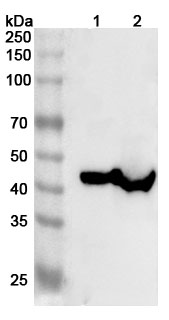
Recombinant Mouse LRPAP1 Protein has been used as an antigen in the production of antibodies for research and diagnostic purposes. Antibodies against this protein have been used in various techniques, such as immunohistochemistry and western blotting, to study the expression and localization of LRPAP1 in different tissues and cell types.
5. Drug Target Identification
The role of Recombinant Mouse LRPAP1 Protein in regulating cell signaling pathways, such as the Wnt/β-catenin pathway,

There are no reviews yet.