Introduction
Recombinant Mouse CD143/ACE Protein, also known as Angiotensin-converting enzyme (ACE), is a type I transmembrane glycoprotein that plays a crucial role in the renin-angiotensin system. It is encoded by the Ace gene and is expressed in various tissues such as the lungs, kidneys, and heart. This protein has been extensively studied for its structure, activity, and potential applications in the field of medicine and biotechnology.
Structure of Recombinant Mouse CD143/ACE Protein
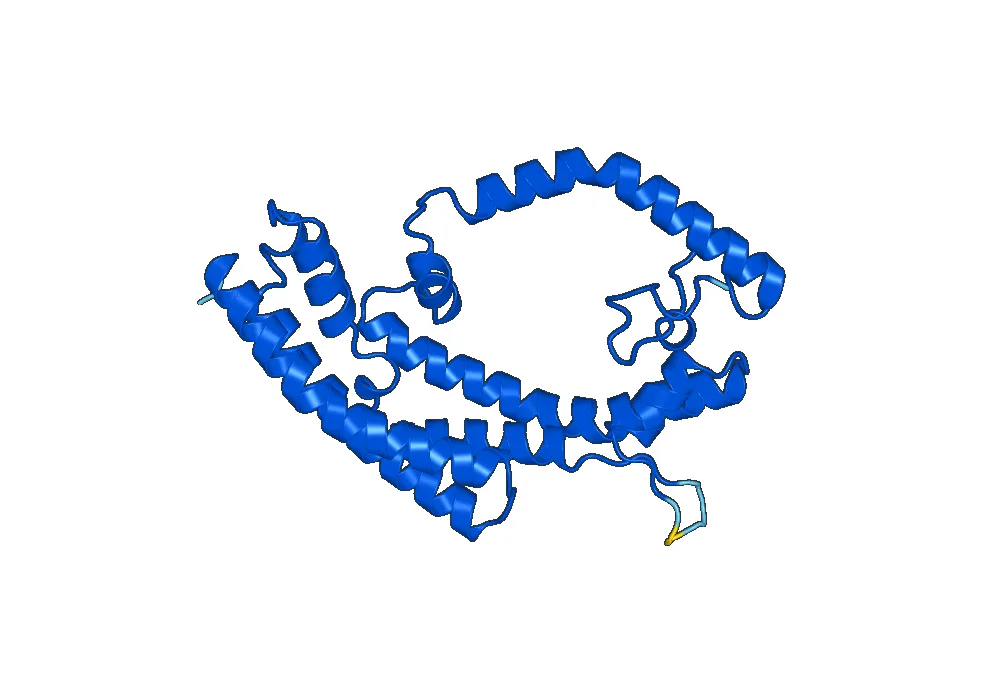
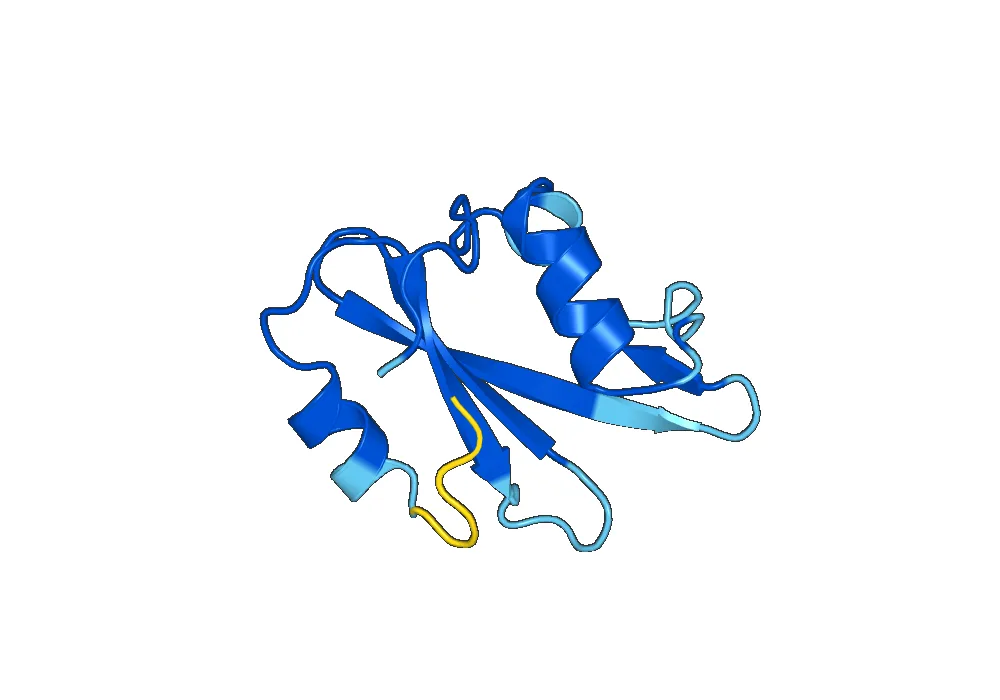
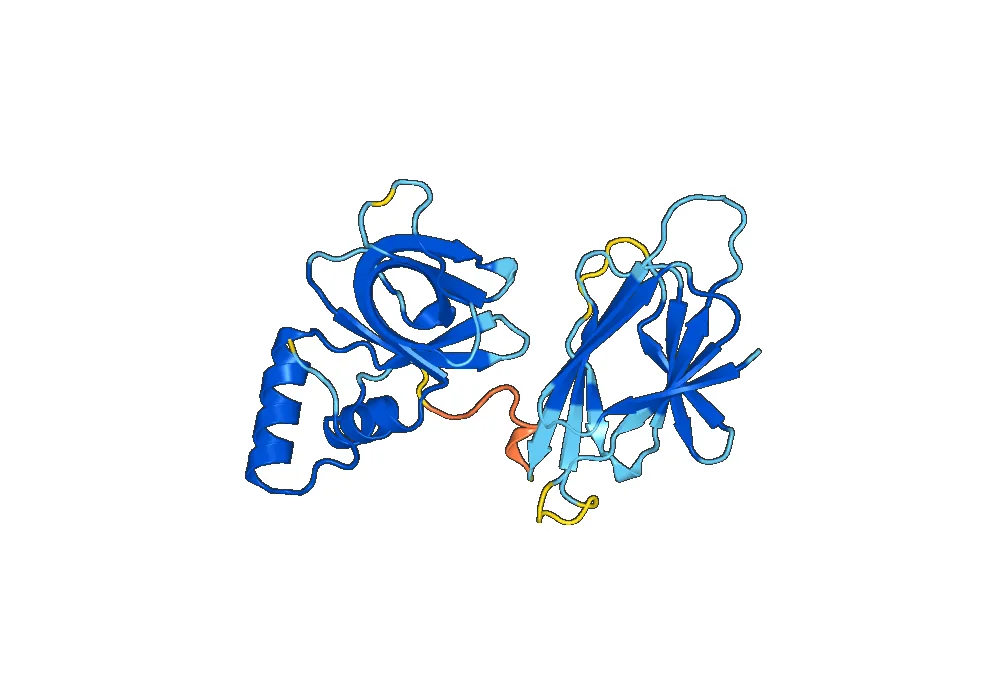
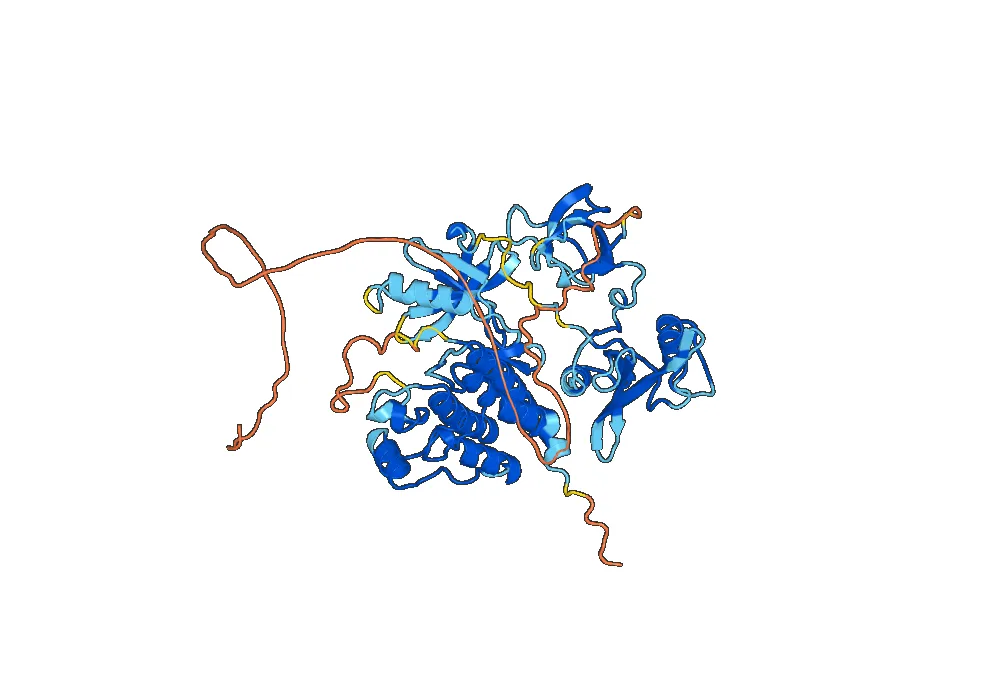
The Recombinant Mouse CD143/ACE Protein is a 170 kDa protein consisting of two homologous domains, the N-terminal and C-terminal domains, connected by a short linker region. The N-terminal domain contains the active site of the enzyme, while the C-terminal domain is responsible for substrate recognition and binding. The protein also contains a zinc-binding motif, which is essential for its catalytic activity.
The crystal structure of Recombinant Mouse CD143/ACE Protein has been extensively studied, revealing a unique topology with two distinct active sites, one in each domain. This allows the protein to cleave a variety of substrates, including angiotensin I and bradykinin, which are important regulators of blood pressure and inflammation, respectively.
Activity of Recombinant Mouse CD143/ACE Protein
The primary function of Recombinant Mouse CD143/ACE Protein is to convert angiotensin I to angiotensin II, a potent vasoconstrictor that regulates blood pressure. This process is crucial for maintaining normal blood pressure levels and is also involved in the development of hypertension and other cardiovascular diseases. The protein also plays a role in the degradation of bradykinin, a peptide that promotes vasodilation and inflammation.
Aside from its role in the renin-angiotensin system, Recombinant Mouse CD143/ACE Protein has been found to have other functions, such as regulating immune responses and cell proliferation. It has also been implicated in the pathogenesis of various diseases, including diabetes, Alzheimer’s disease, and cancer.
Applications of Recombinant Mouse CD143/ACE Protein
The unique structure and activity of Recombinant Mouse CD143/ACE Protein make it a valuable tool in various applications in the field of medicine and biotechnology. One of its most significant applications is in the development of drugs for the treatment of hypertension and other cardiovascular diseases. Inhibitors of ACE, such as captopril and lisinopril, have been widely used as antihypertensive drugs and have proven to be effective in lowering blood pressure levels.
Recombinant Mouse CD143/ACE Protein has also been used in the production of monoclonal antibodies for diagnostic and therapeutic purposes. These antibodies target the active site of the protein and can be used to detect and treat diseases related to ACE, such as hypertension and diabetic nephropathy.
Furthermore, Recombinant Mouse CD143/ACE Protein has been studied for its potential role in cancer therapy. It has been found to be overexpressed in certain types of cancer, and its inhibition has shown promising results in reducing tumor growth and metastasis in animal models.
Conclusion
In conclusion, Recombinant Mouse CD143/ACE Protein is a crucial enzyme with a unique structure and diverse functions. Its role in the renin-angiotensin system and other biological processes make it a valuable target for drug development and a useful tool in various applications in medicine and biotechnology. Further research on this protein may lead to new insights into its functions and potential therapeutic applications.


There are no reviews yet.