Introduction to Recombinant Mouse CER1 Protein
Recombinant Mouse CER1 Protein, also known as Cerberus-like protein 1, is a member of the Cerberus/DAN family of secreted proteins. It is encoded by the CER1 gene and is highly conserved across species, with 98% amino acid sequence identity between mouse and human CER1 proteins. This protein plays a crucial role in embryonic development and has been found to have potential therapeutic applications in various diseases.
Structure of Recombinant Mouse CER1 Protein
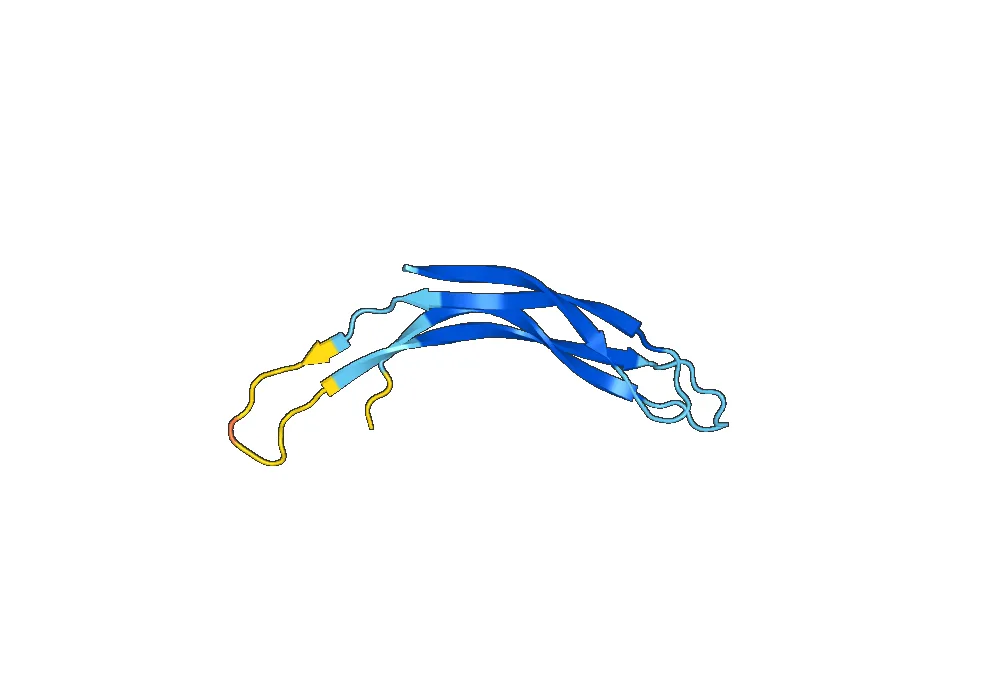
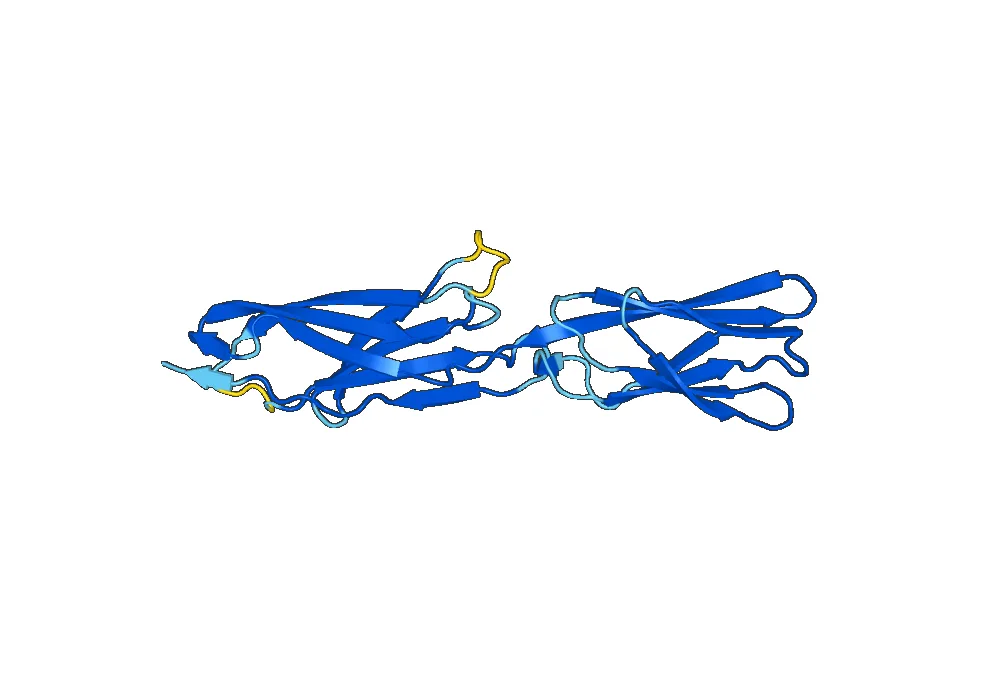
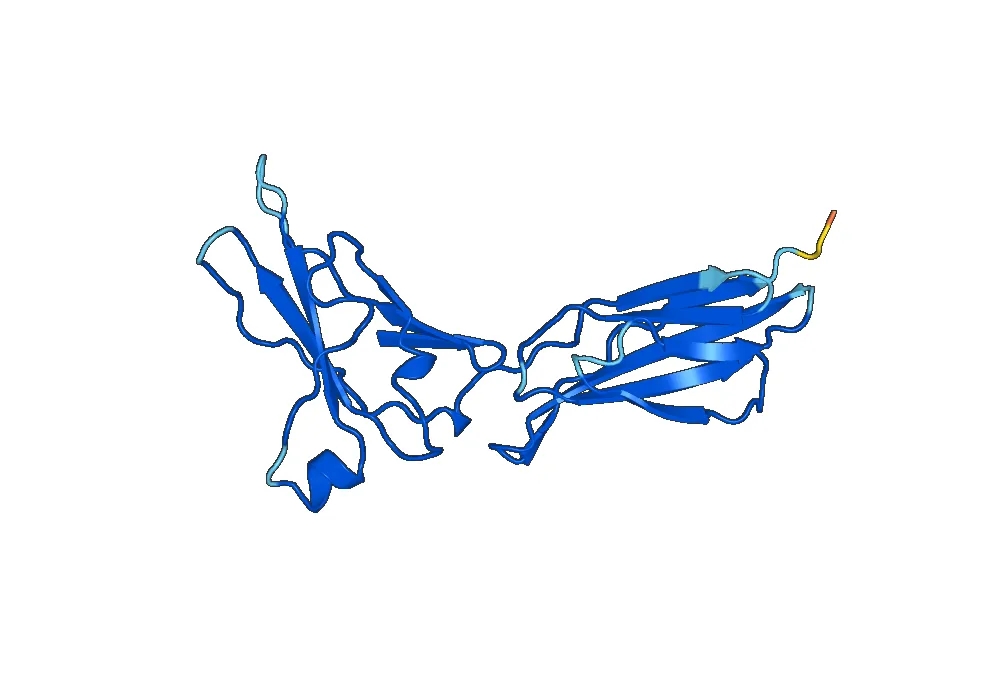
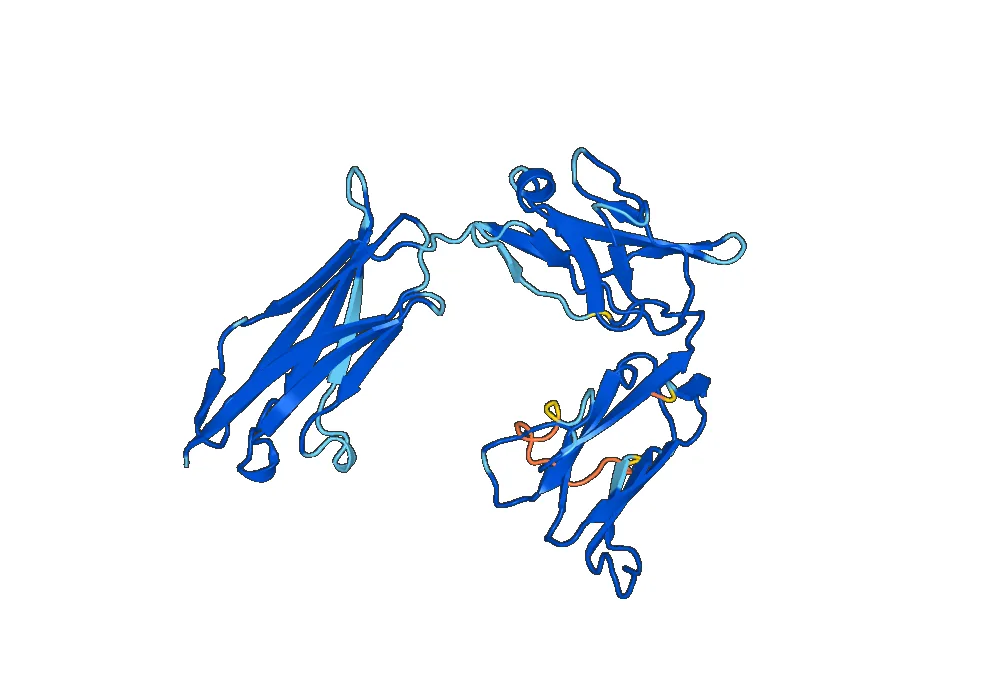
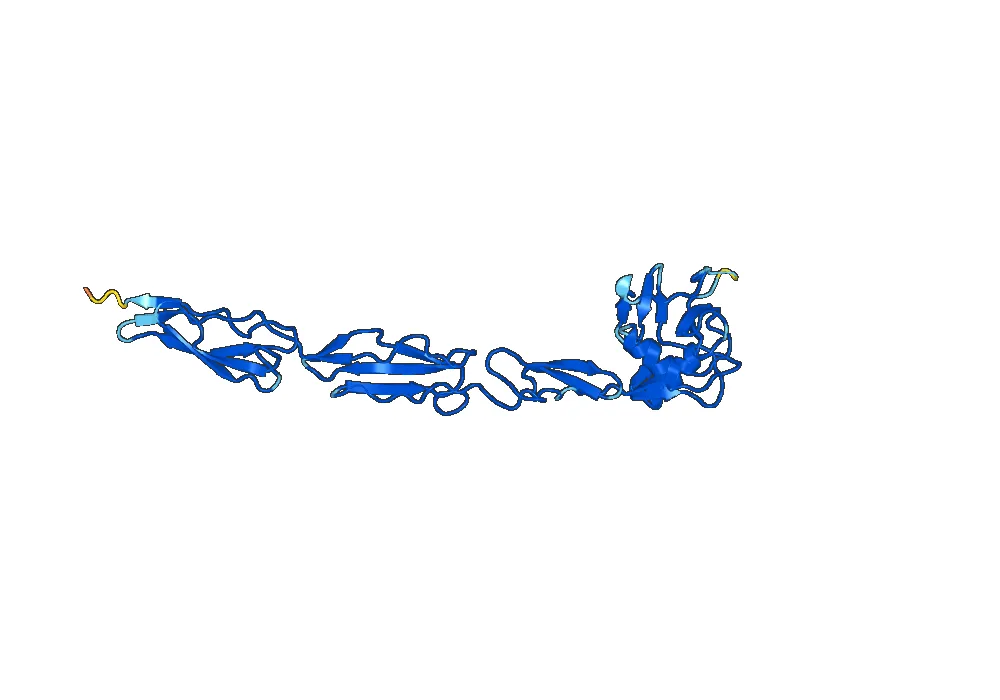
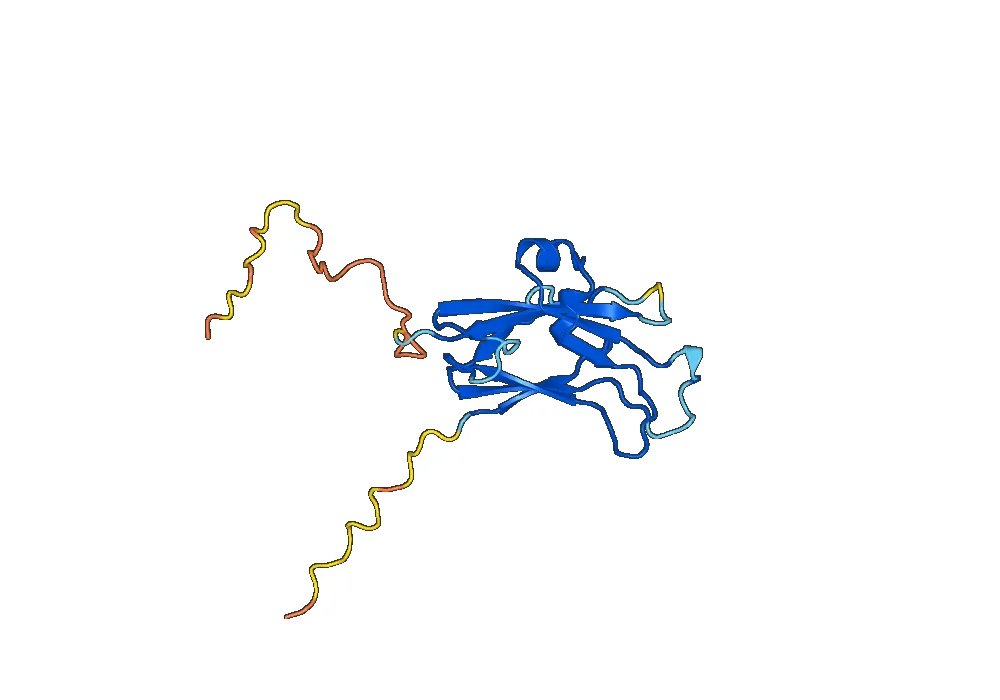
Recombinant Mouse CER1 Protein is a 267 amino acid protein with a predicted molecular weight of approximately 30 kDa. It contains a signal peptide at the N-terminus, which is responsible for its secretion into the extracellular space. The mature protein consists of a cysteine-rich domain, a DAN domain, and a C-terminal region with a conserved glycosylation site. The cysteine-rich domain is essential for the formation of disulfide bonds, which are crucial for the structural stability of the protein. The DAN domain is responsible for the inhibitory activity of CER1 protein, as discussed in the next section.
Activity of Recombinant Mouse CER1 Protein
Recombinant Mouse CER1 Protein is a secreted protein with potent inhibitory activity against members of the TGF-β superfamily, including BMPs (bone morphogenetic proteins), Activins, and Nodal. It binds to these ligands and blocks their interaction with their respective receptors, thereby inhibiting downstream signaling pathways. This activity is attributed to the DAN domain of CER1 protein, which has been shown to physically interact with the ligands and prevent their binding to their receptors. This inhibition of TGF-β signaling is crucial for proper embryonic development, as dysregulation of this pathway can lead to developmental defects.
In addition to its inhibitory activity, Recombinant Mouse CER1 Protein has also been found to have pro-angiogenic properties. It promotes the formation of new blood vessels by stimulating the proliferation and migration of endothelial cells. This activity is mediated by the cysteine-rich domain of CER1 protein, which has been shown to interact with the cell surface receptor neuropilin-1 and activate downstream signaling pathways. This pro-angiogenic activity of CER1 protein has potential therapeutic applications in diseases such as ischemic heart disease and peripheral arterial disease, where promoting angiogenesis can aid in tissue repair and regeneration.
Applications of Recombinant Mouse CER1 Protein
Recombinant Mouse CER1 Protein has a wide range of applications in both basic research and clinical settings. Its inhibitory activity against TGF-β signaling makes it a valuable tool for studying the role of this pathway in various biological processes. It has been used in studies investigating embryonic development, stem cell differentiation, and cancer progression. In addition, CER1 protein has been explored as a potential therapeutic agent for various diseases.
One of the most promising applications of Recombinant Mouse CER1 Protein is in the treatment of bone disorders such as osteoporosis and bone fractures. As BMPs are crucial for bone formation and remodeling, inhibiting their activity with CER1 protein can promote bone formation and prevent bone loss. Furthermore, CER1 protein has been shown to have anti-inflammatory properties, making it a potential therapeutic agent for inflammatory diseases such as rheumatoid arthritis and inflammatory bowel disease.
The pro-angiogenic activity of Recombinant Mouse CER1 Protein also has potential applications in the treatment of cardiovascular diseases. It can be used to promote the formation of new blood vessels in ischemic tissues, thereby improving blood flow and tissue repair. In addition, CER1 protein has been shown to have neuroprotective effects and can potentially be used in the treatment of neurodegenerative diseases.
Conclusion</h


There are no reviews yet.