Introduction
Recombinant Mouse EGFLAM Protein, also known as Epidermal Growth Factor-like and LamG Domain-containing protein, is a protein that plays a crucial role in various biological processes such as cell proliferation, migration, and differentiation. This protein is produced through recombinant DNA technology, making it a valuable tool for scientific research and medical applications. In this article, we will explore the structure, activity, and applications of Recombinant Mouse EGFLAM Protein.
Structure of Recombinant Mouse EGFLAM Protein
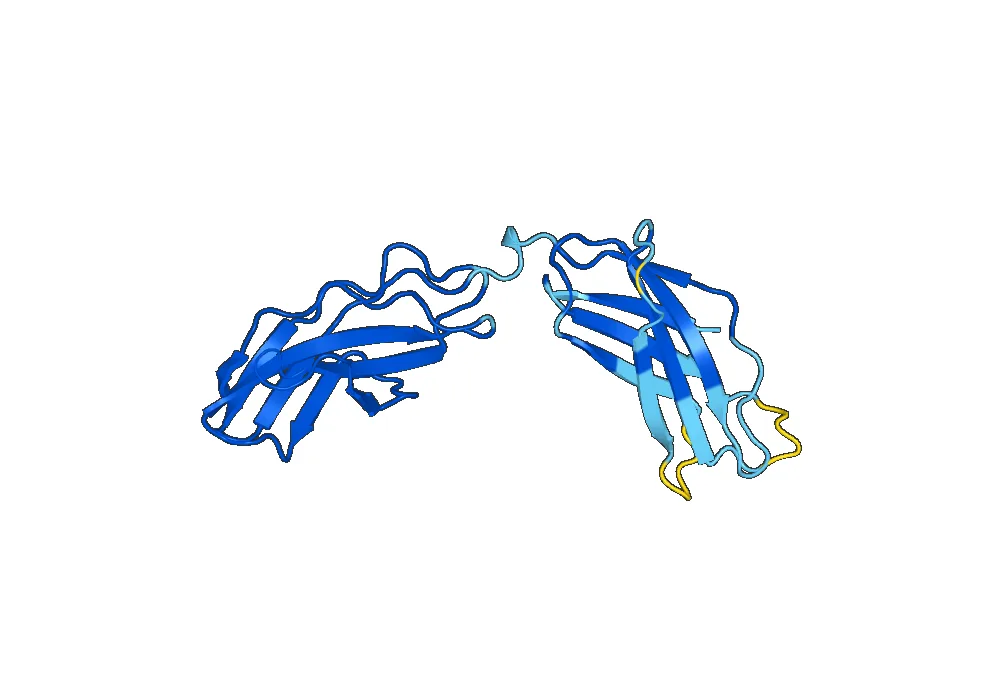
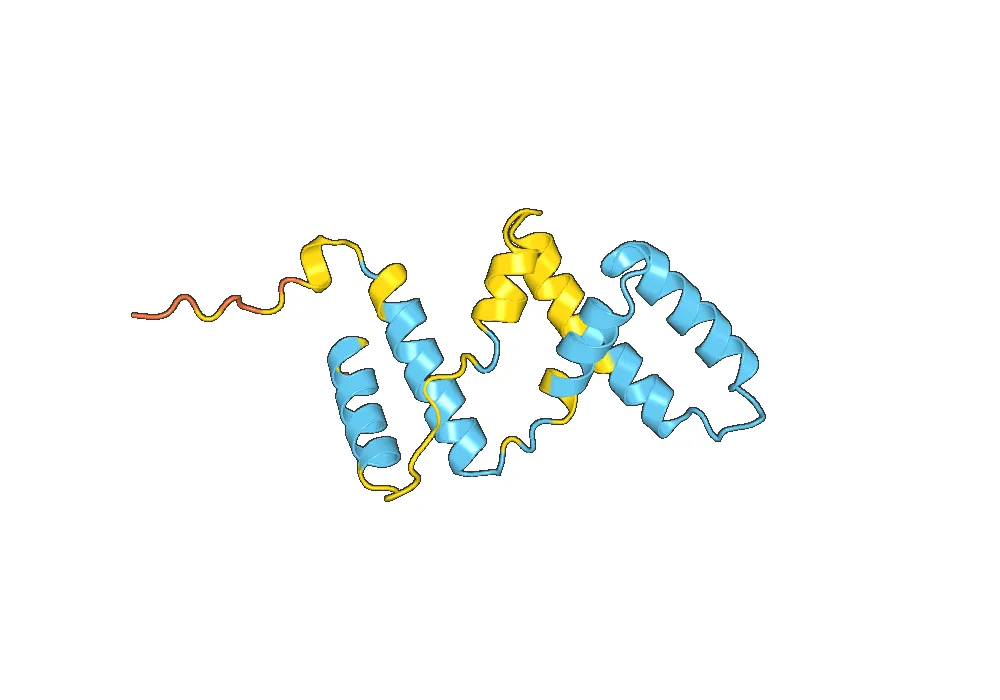
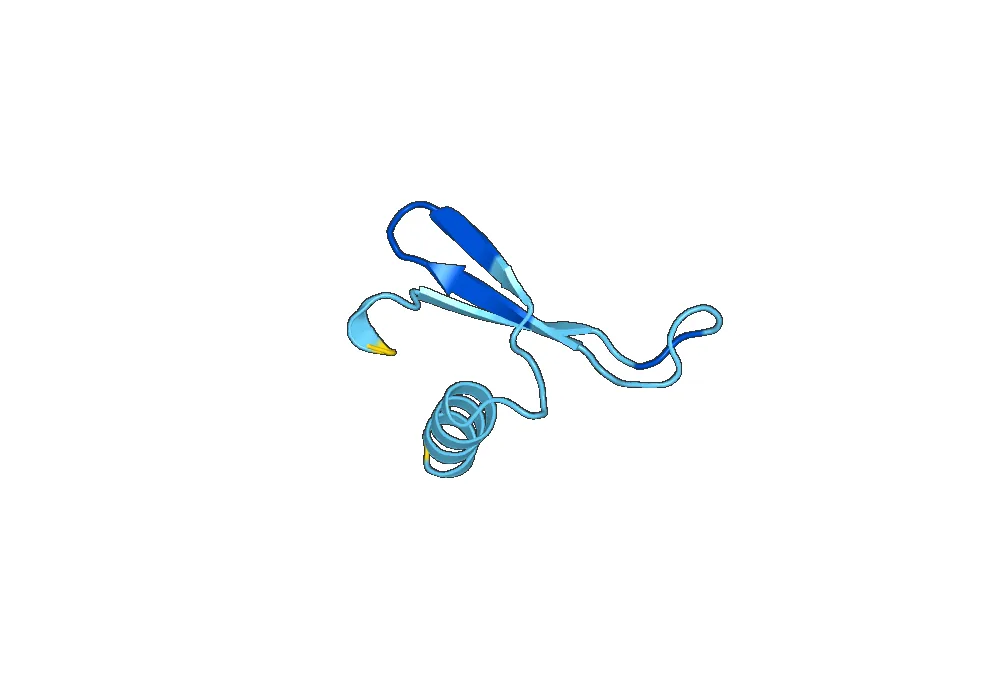
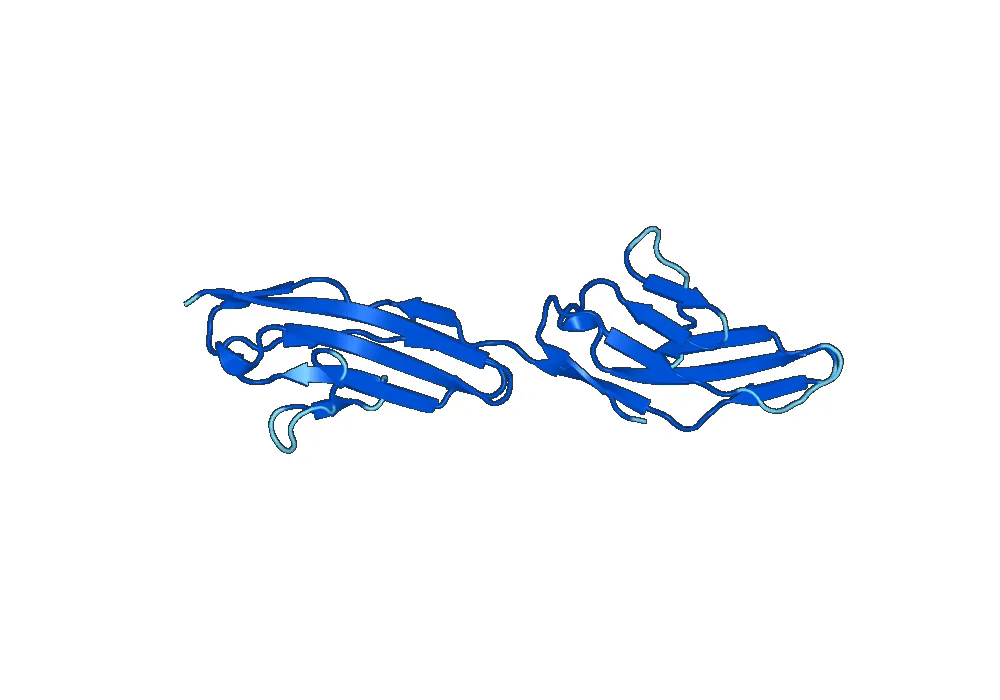
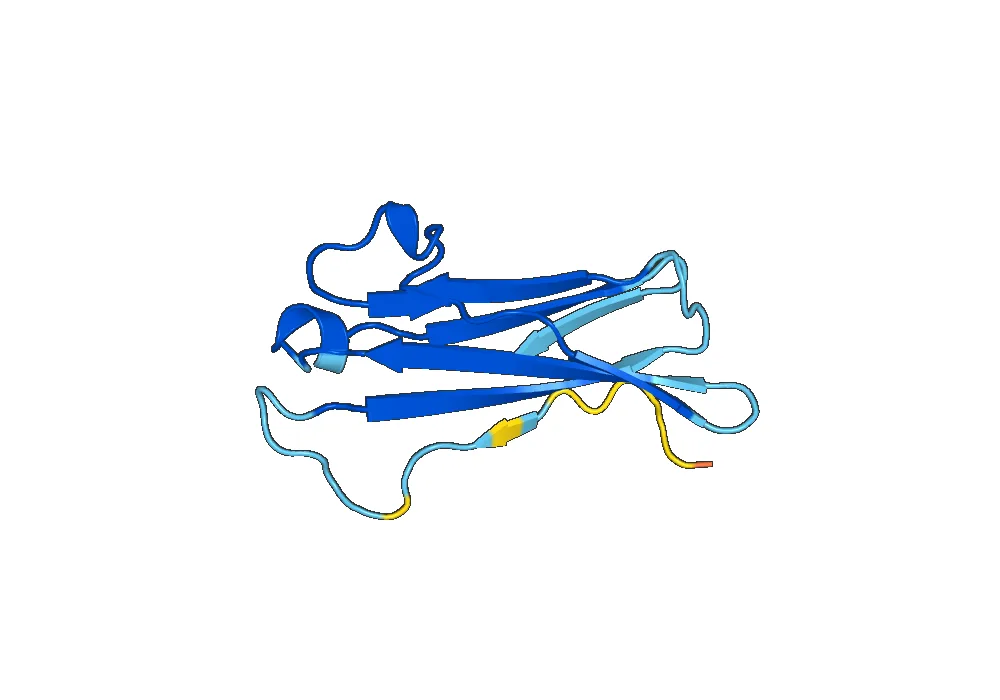
Recombinant Mouse EGFLAM Protein is a 56 kDa glycoprotein consisting of 508 amino acids. It contains a signal peptide, an EGF-like domain, and a LamG domain. The EGF-like domain is responsible for binding to the epidermal growth factor receptor (EGFR), while the LamG domain is involved in cell adhesion and migration.
The recombinant protein is produced by cloning the gene encoding for Mouse EGFLAM into a suitable expression vector, such as a bacterial or mammalian expression system. The protein is then expressed and purified to obtain a highly pure and active form of the protein.
Activity of Recombinant Mouse EGFLAM Protein
Recombinant Mouse EGFLAM Protein has been shown to enhance cell proliferation and migration through its interaction with EGFR. It has also been reported to promote angiogenesis, the formation of new blood vessels, by stimulating the proliferation and migration of endothelial cells.
Furthermore, studies have shown that Recombinant Mouse EGFLAM Protein can induce differentiation of stem cells into neuronal cells, suggesting its potential in regenerative medicine and tissue engineering.
In addition to its role in cellular processes, Recombinant Mouse EGFLAM Protein has also been found to play a crucial role in diseases such as cancer. It has been shown to be overexpressed in various types of cancer, including breast, lung, and colorectal cancer. This overexpression has been linked to increased cell proliferation and migration, making it a potential target for cancer therapy.
Applications of Recombinant Mouse EGFLAM Protein
Recombinant Mouse EGFLAM Protein has a wide range of applications in both research and medical fields. Its ability to promote cell proliferation and migration makes it a valuable tool for studying various cellular processes in vitro. It can also be used to induce differentiation of stem cells into specific cell types, providing a potential source for tissue regeneration.
In cancer research, Recombinant Mouse EGFLAM Protein can be used to study the mechanisms of cancer development and progression. It can also serve as a potential therapeutic target for cancer treatment, either by inhibiting its activity or using it as a drug delivery vehicle.
Moreover, Recombinant Mouse EGFLAM Protein has been investigated for its potential in promoting wound healing and tissue repair. Its ability to stimulate angiogenesis and cell migration makes it a promising candidate for developing treatments for chronic wounds and tissue damage.
Conclusion
In summary, Recombinant Mouse EGFLAM Protein is a multifunctional protein with diverse roles in various biological processes. Its structure, activity, and potential applications make it a valuable tool for scientific research and medical applications. Further studies on this protein could lead to new insights into its functions and potential therapeutic applications.


There are no reviews yet.