Introduction
Recombinant Mouse GDF15/MIC1 Protein is a highly versatile and biologically active protein that has gained significant attention in the scientific community. This protein is a member of the TGF-β superfamily and is encoded by the GDF15 gene in mice. It is also known as Macrophage Inhibitory Cytokine 1 (MIC1) and Placental Transforming Growth Factor (PTGF). Recombinant Mouse GDF15/MIC1 Protein is a valuable tool for researchers and has a wide range of applications in various fields of biology and medicine.
Structure
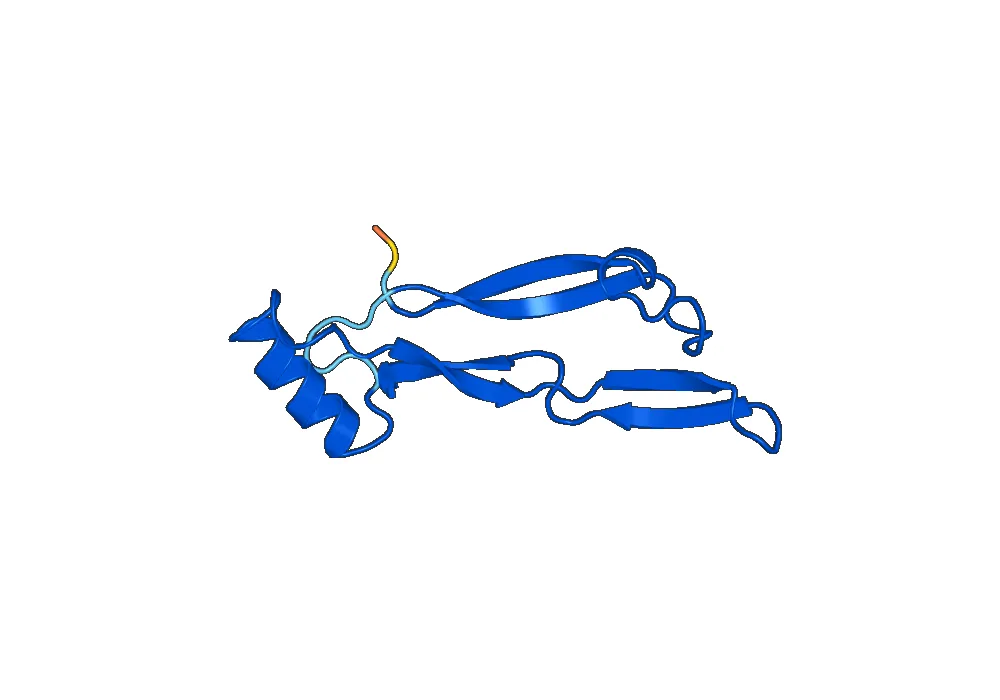
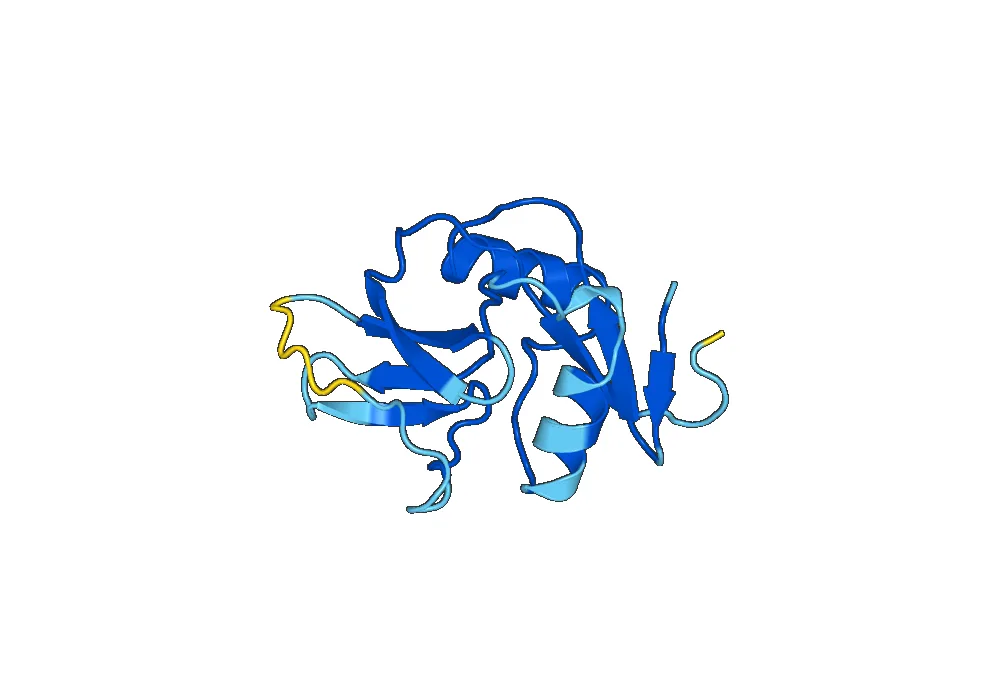
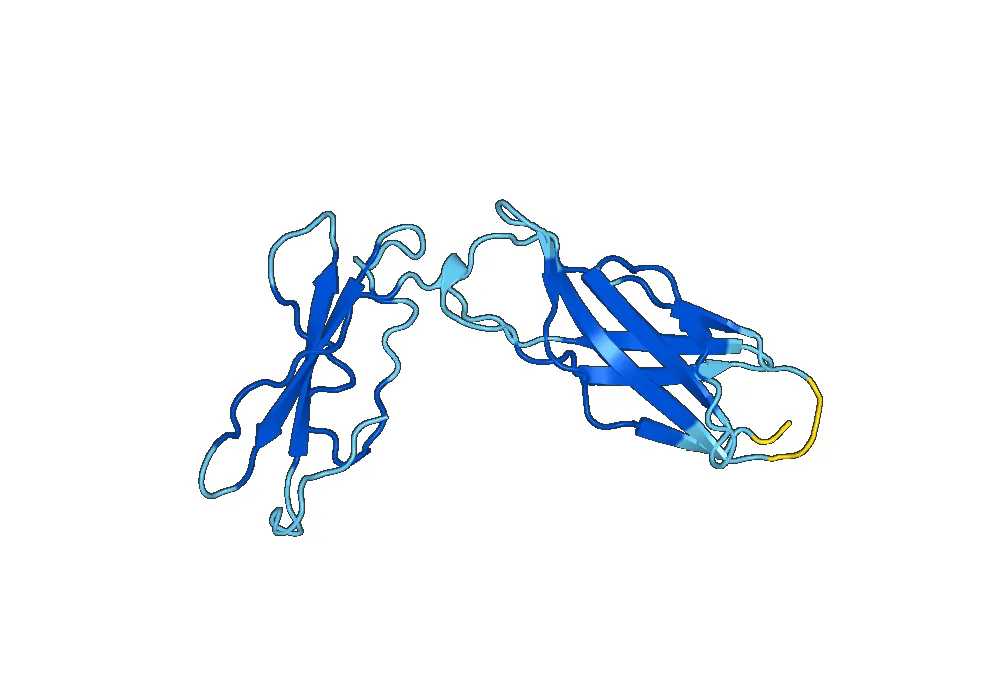
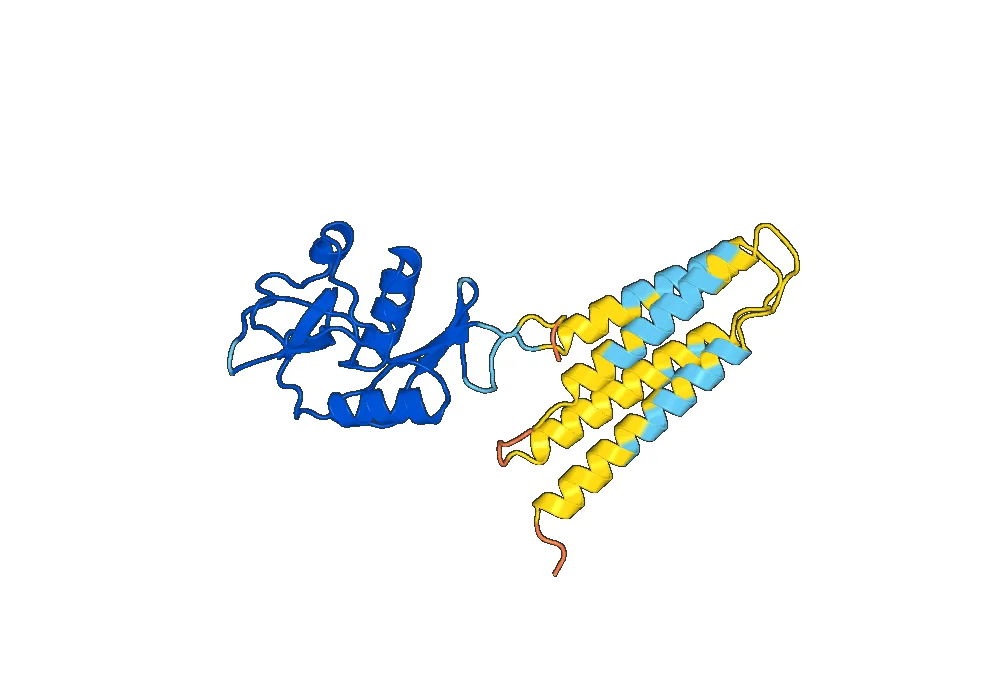
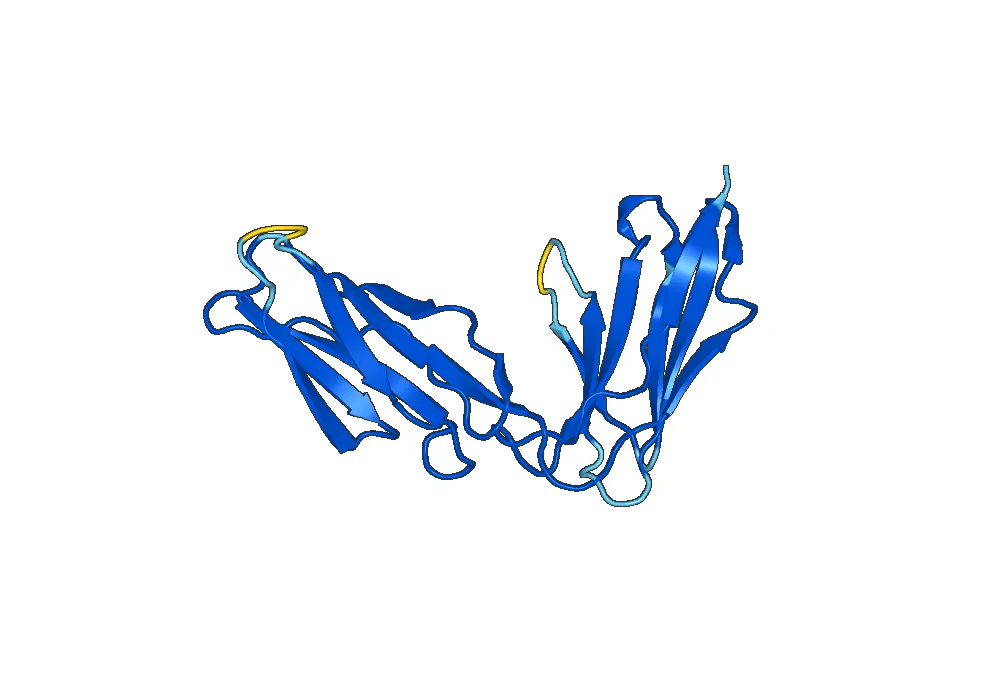
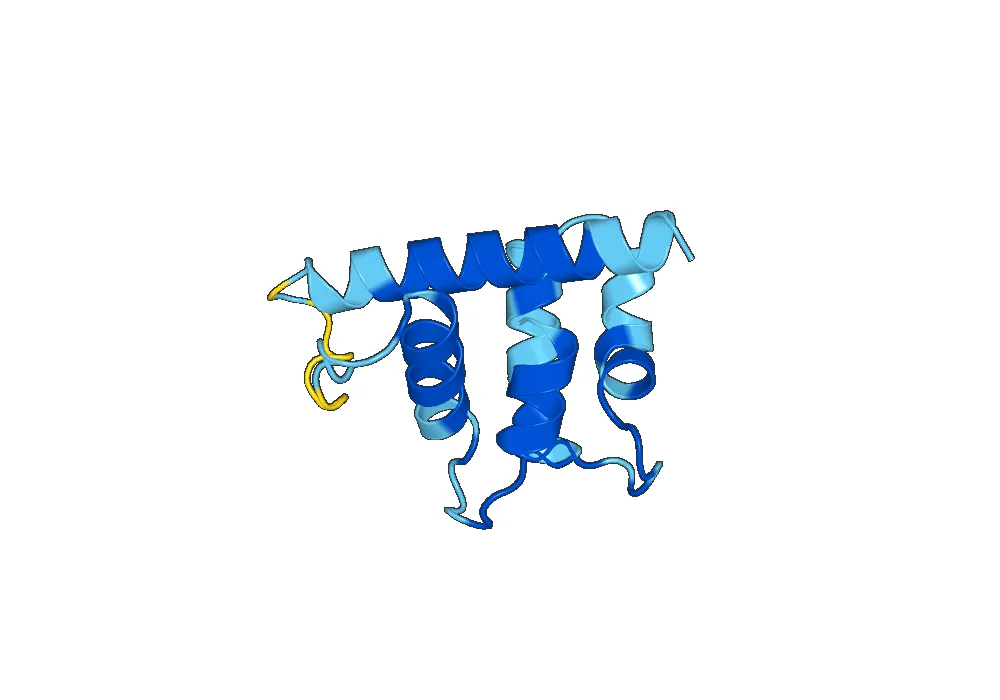
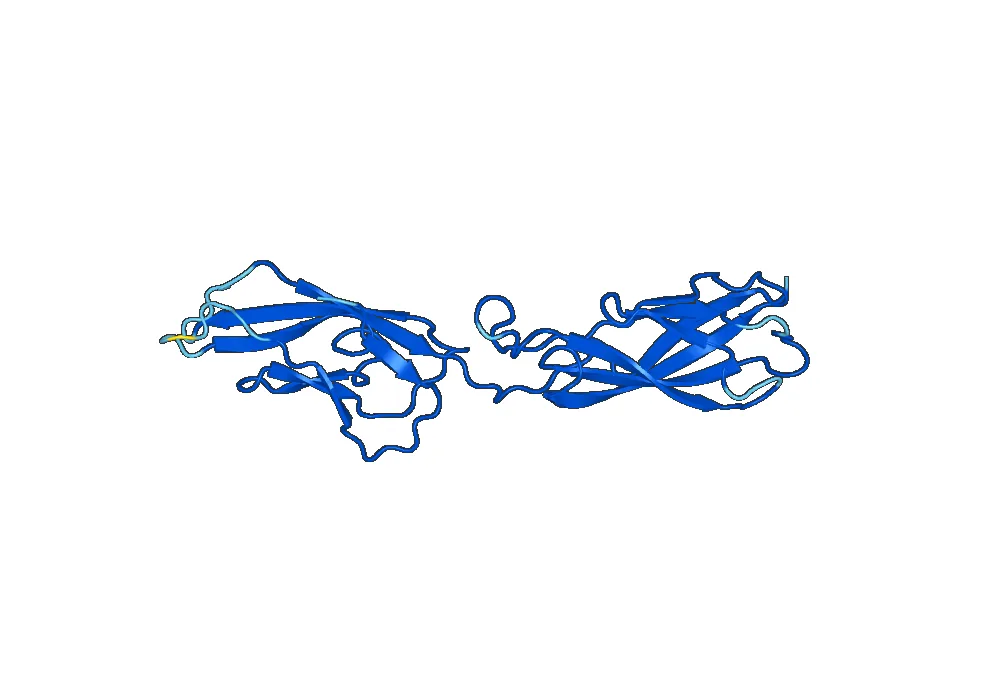
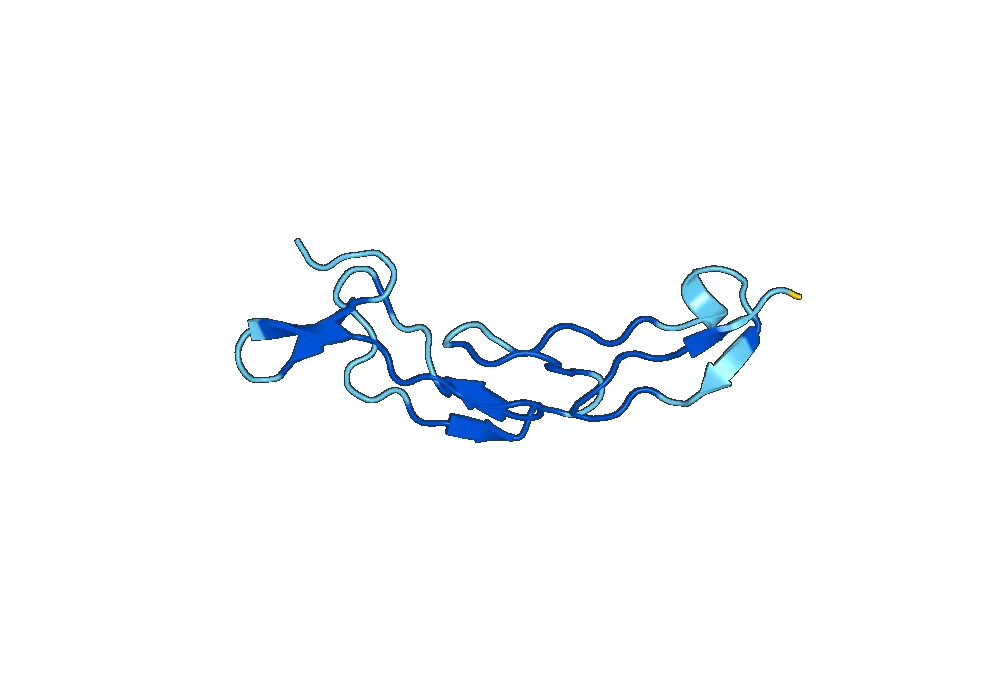
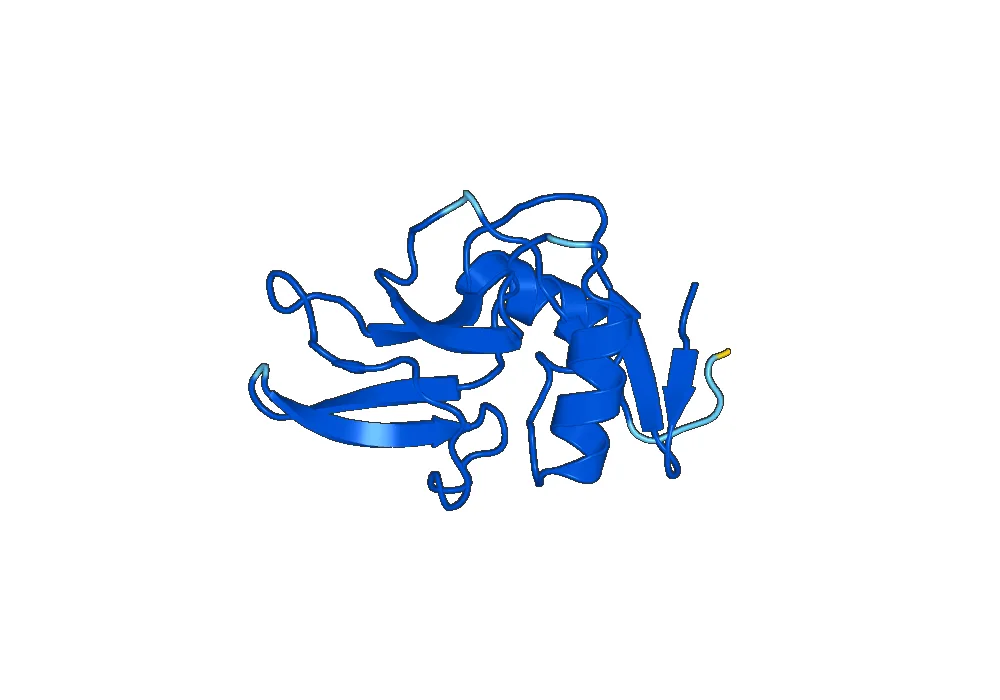
Recombinant Mouse GDF15/MIC1 Protein is a homodimeric protein, meaning it is composed of two identical subunits. Each subunit is approximately 40 kDa in size and consists of 112 amino acids. The structure of this protein is highly conserved across different species, with 80% sequence identity between mouse and human GDF15. The crystal structure of Recombinant Mouse GDF15/MIC1 Protein has been determined, revealing a characteristic cystine knot fold, which is a common feature among TGF-β superfamily members.
Activity
Recombinant Mouse GDF15/MIC1 Protein plays a crucial role in various biological processes, including cell growth, differentiation, and apoptosis. It exerts its effects by binding to specific cell surface receptors, such as the Activin receptor-like kinase (ALK) receptors and the Type I and Type II TGF-β receptors. This binding activates downstream signaling pathways, including the SMAD pathway, which regulates gene expression and cellular responses.
One of the main activities of Recombinant Mouse GDF15/MIC1 Protein is its anti-inflammatory and immunosuppressive effects. It has been shown to inhibit the production of pro-inflammatory cytokines and chemokines, as well as the activation of immune cells, such as macrophages and T cells. This makes it a potential therapeutic target for various inflammatory diseases.
Application
Recombinant Mouse GDF15/MIC1 Protein has a wide range of applications in both basic research and clinical settings. Some of its key applications include:
Stem Cell Research
Recombinant Mouse GDF15/MIC1 Protein has been shown to promote the differentiation of embryonic stem cells into cardiomyocytes, making it a valuable tool for studying heart development and disease. It has also been used to induce the differentiation of mesenchymal stem cells into osteoblasts, which has potential applications in bone tissue engineering and regenerative medicine.
Cancer Research
Recombinant Mouse GDF15/MIC1 Protein has been implicated in various types of cancer, including breast, prostate, and pancreatic cancer. It has been shown to inhibit the growth and survival of cancer cells, making it a potential anti-cancer agent. In addition, it has been used as a biomarker for cancer diagnosis and prognosis.
Metabolic Disorders
Recombinant Mouse GDF15/MIC1 Protein has been linked to metabolic disorders, such as obesity, diabetes, and cardiovascular diseases. It has been shown to regulate energy metabolism and body weight, making it a potential therapeutic target for these conditions.
Inflammatory Diseases
Recombinant Mouse GDF15/MIC1 Protein has anti-inflammatory and immunosuppressive effects, making it a potential treatment for various inflammatory diseases, such as rheumatoid arthritis, inflammatory bowel disease, and multiple sclerosis.
Diagnostic Tool
Recombinant Mouse GDF15/MIC1 Protein has been used as a diagnostic marker for various diseases. Its levels have been found to be altered in conditions such as heart failure, chronic kidney disease, and preeclampsia, making it a potential biomarker for disease diagnosis and monitoring.
Conclusion
In summary, Recombinant Mouse GDF15/MIC1 Protein is a highly versatile and bi
There are no reviews yet.