Introduction to Recombinant Mouse OGN Protein
Recombinant Mouse OGN Protein is a synthetic form of osteoglycin (OGN), a small leucine-rich proteoglycan found in the extracellular matrix of various tissues, including bone, cartilage, and muscle. This protein is involved in various biological processes, such as cell adhesion, proliferation, and differentiation, making it a promising candidate for therapeutic and research applications.
Structure of Recombinant Mouse OGN Protein
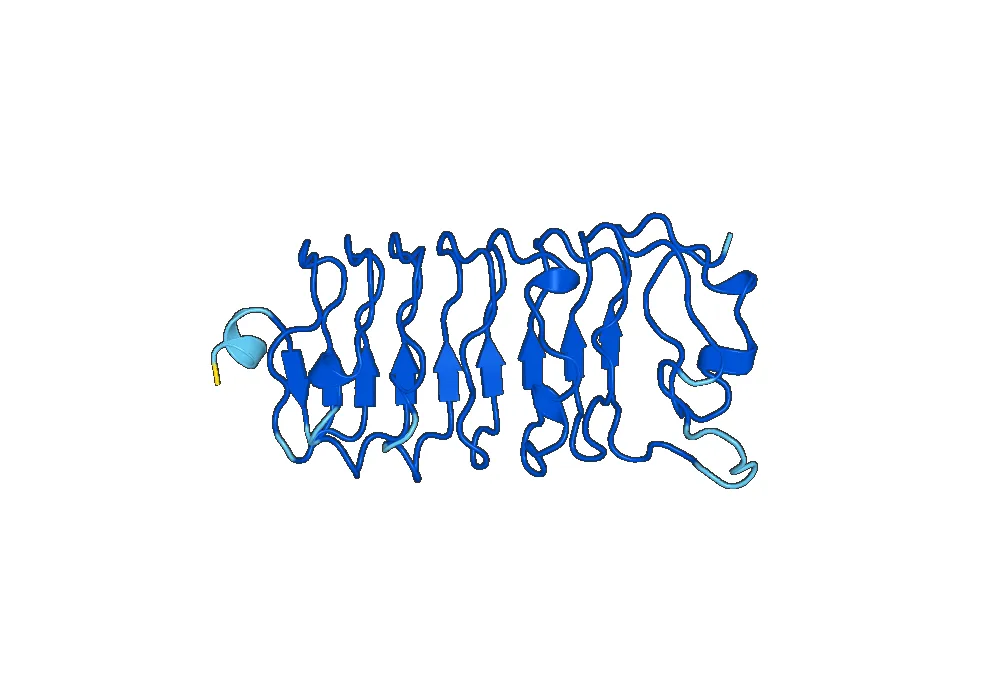
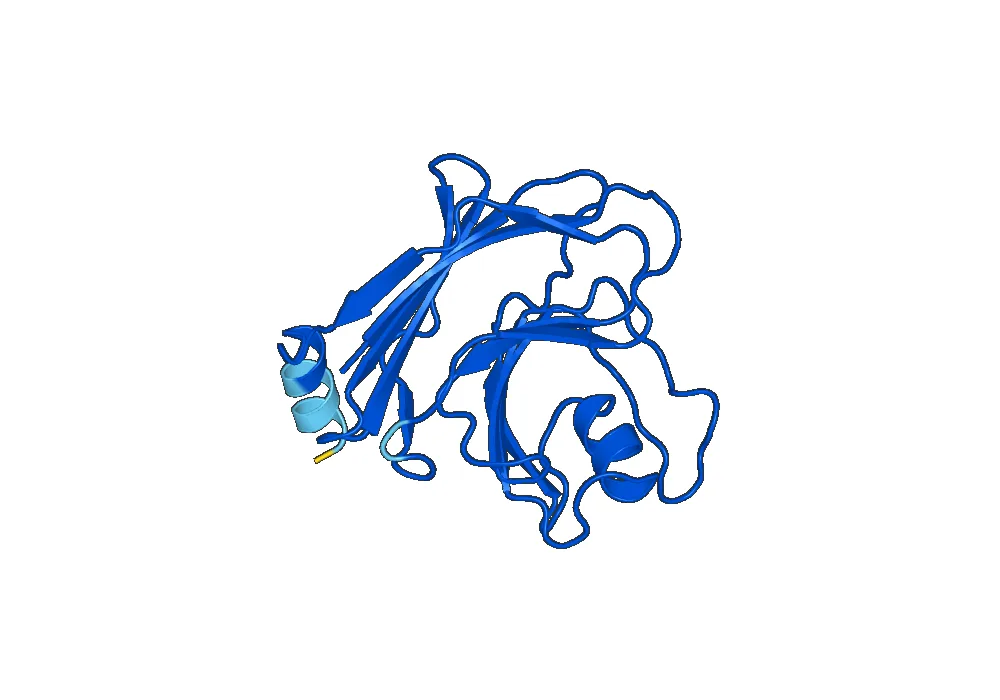
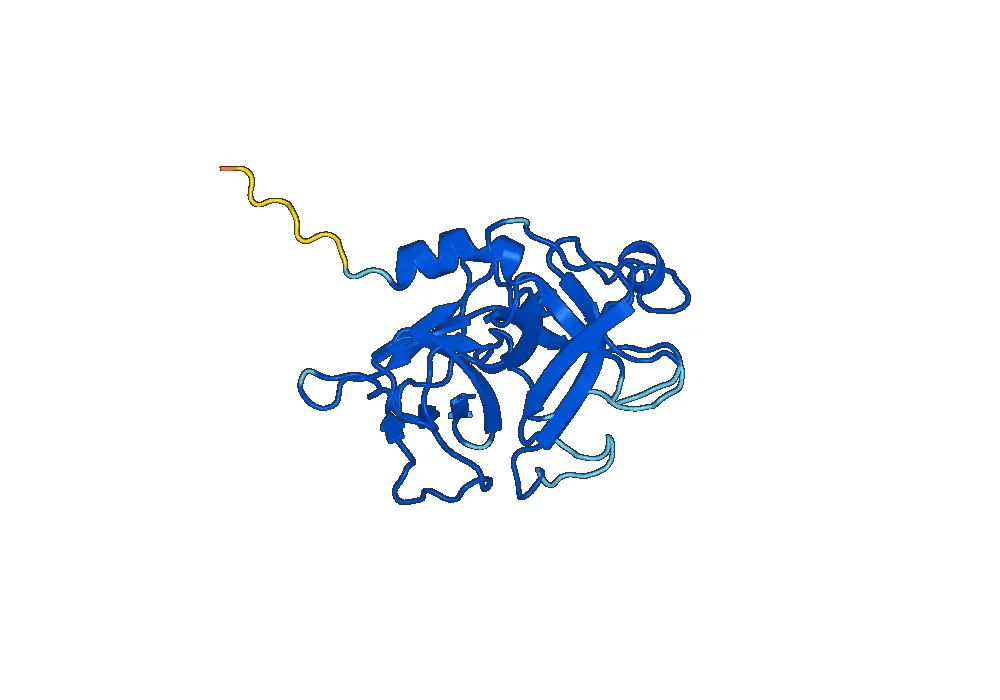
Recombinant Mouse OGN Protein is a 26 kDa protein consisting of 246 amino acids. It contains a central leucine-rich repeat (LRR) domain, which is responsible for its interaction with other proteins, and a C-terminal domain rich in acidic amino acids. The LRR domain is composed of 11 tandem repeats of a 24 amino acid sequence, with the consensus sequence LxxLxLxxNxL, where x represents any amino acid. This unique structure gives OGN its characteristic leucine-rich pattern and allows it to bind to various extracellular matrix components, such as collagen and fibronectin.
Activity of Recombinant Mouse OGN Protein
Recombinant Mouse OGN Protein has been shown to have a wide range of activities in different tissues and cell types. In bone, OGN has been found to promote osteoblast differentiation and mineralization, as well as inhibit osteoclast formation and activity. This suggests a potential role for OGN in bone remodeling and maintenance. In cartilage, OGN has been shown to regulate chondrocyte proliferation and differentiation, and its absence has been linked to cartilage degeneration and osteoarthritis. In muscle, OGN has been found to promote myoblast fusion and myotube formation, indicating a role in muscle development and repair.
Application of Recombinant Mouse OGN Protein
Recombinant Mouse OGN Protein has been widely used in both therapeutic and research applications. In the field of regenerative medicine, OGN has been investigated as a potential treatment for bone and cartilage defects, as well as muscle injuries and disorders. Its ability to promote tissue regeneration and repair makes it a promising candidate for these applications.
In addition, OGN has been studied for its potential role in cancer biology. It has been found to have both tumor-suppressive and tumor-promoting effects, depending on the type of cancer and its microenvironment. This has led to the development of OGN-based therapies for certain types of cancer, such as breast and prostate cancer.
In research, Recombinant Mouse OGN Protein has been used as a tool to study the role of OGN in different biological processes. It has been used to investigate the mechanisms of OGN-mediated cell adhesion, proliferation, and differentiation, as well as its interactions with other extracellular matrix components. Recombinant OGN has also been used to generate OGN-deficient animal models, providing valuable insights into the physiological functions of OGN in vivo.
Conclusion
In summary, Recombinant Mouse OGN Protein is a versatile molecule with diverse biological activities. Its unique structure and ability to interact with various extracellular matrix components make it a promising candidate for tissue regeneration and repair. Its role in cancer biology and potential therapeutic applications make it an interesting target for further research. With its many potential uses, Recombinant Mouse OGN Protein continues to be a valuable tool in the fields of biology, medicine, and biotechnology.



There are no reviews yet.