Introduction to Recombinant Mouse SIGLEC10/SLG2 Protein
Recombinant Mouse SIGLEC10/SLG2 Protein is a type of recombinant protein that has been produced through genetic engineering techniques. It is a mouse protein that belongs to the SIGLEC (sialic acid-binding immunoglobulin-like lectins) family, specifically the SIGLEC-10 subgroup. This protein is also known as SLG2 (SIGLEC-like gene 2) and is encoded by the Siglec10 gene.
Structure of Recombinant Mouse SIGLEC10/SLG2 Protein
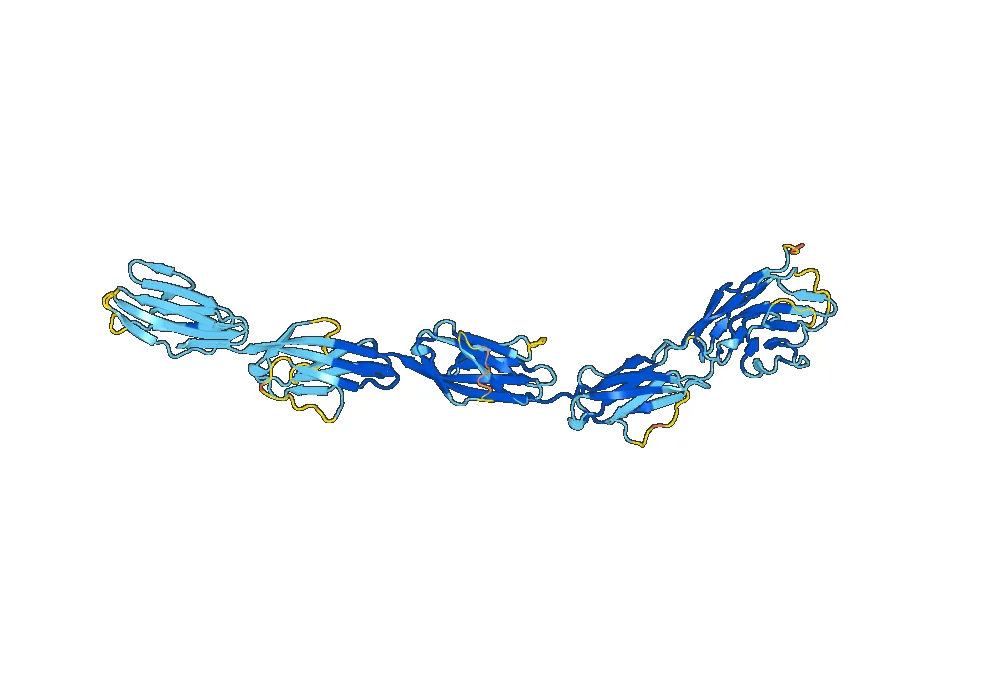
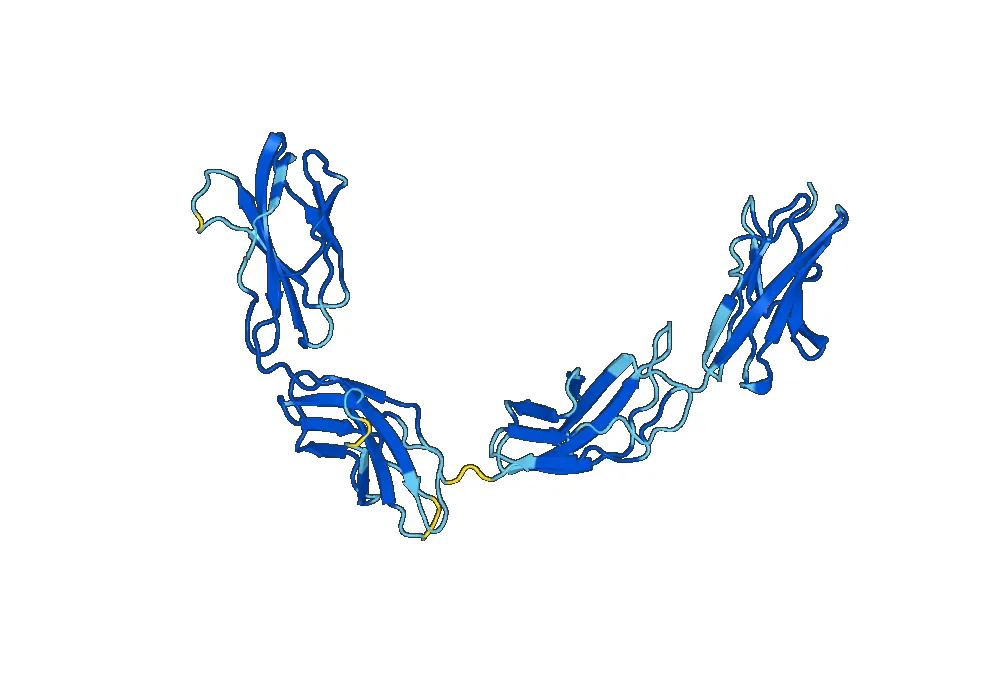
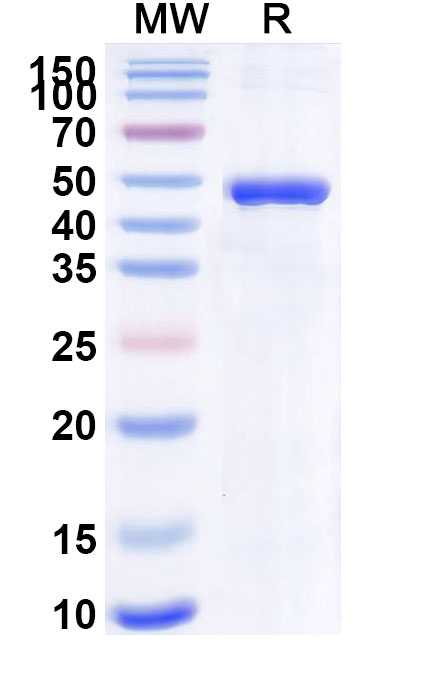
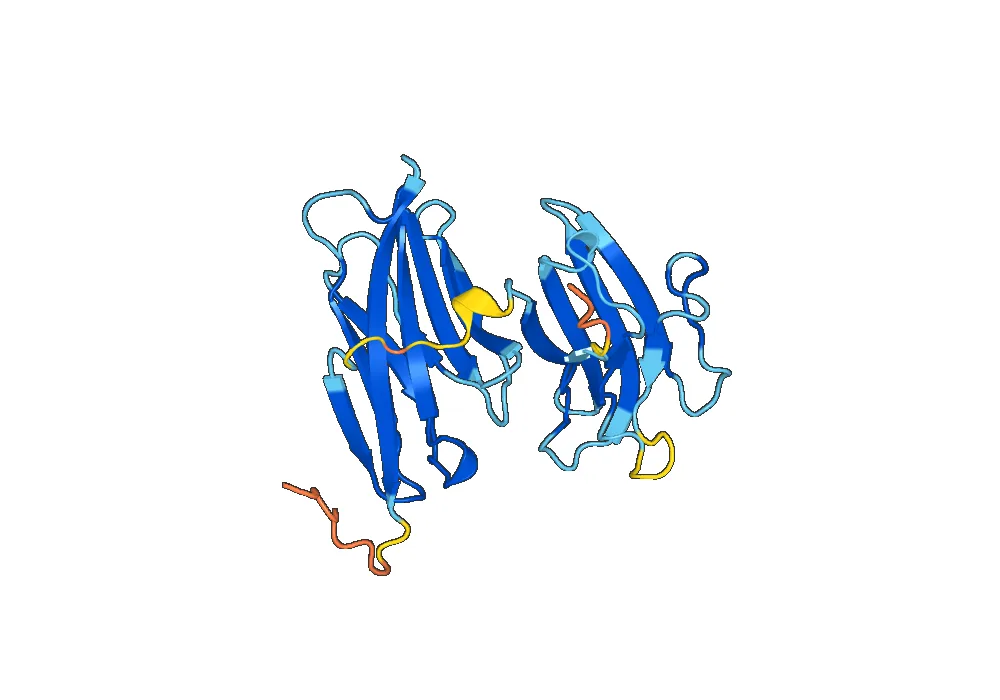
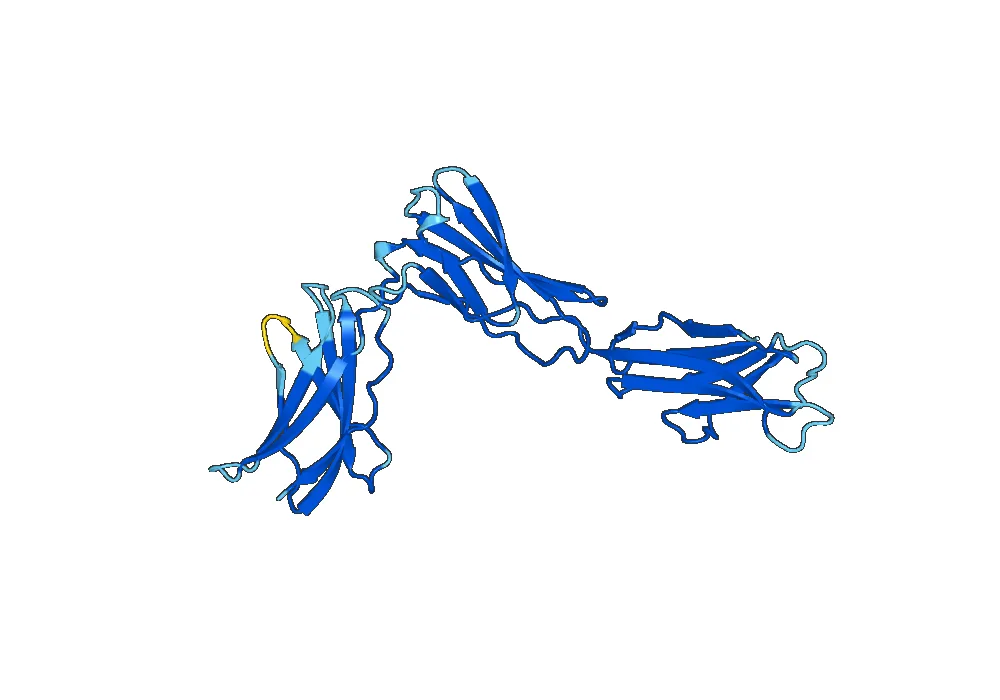
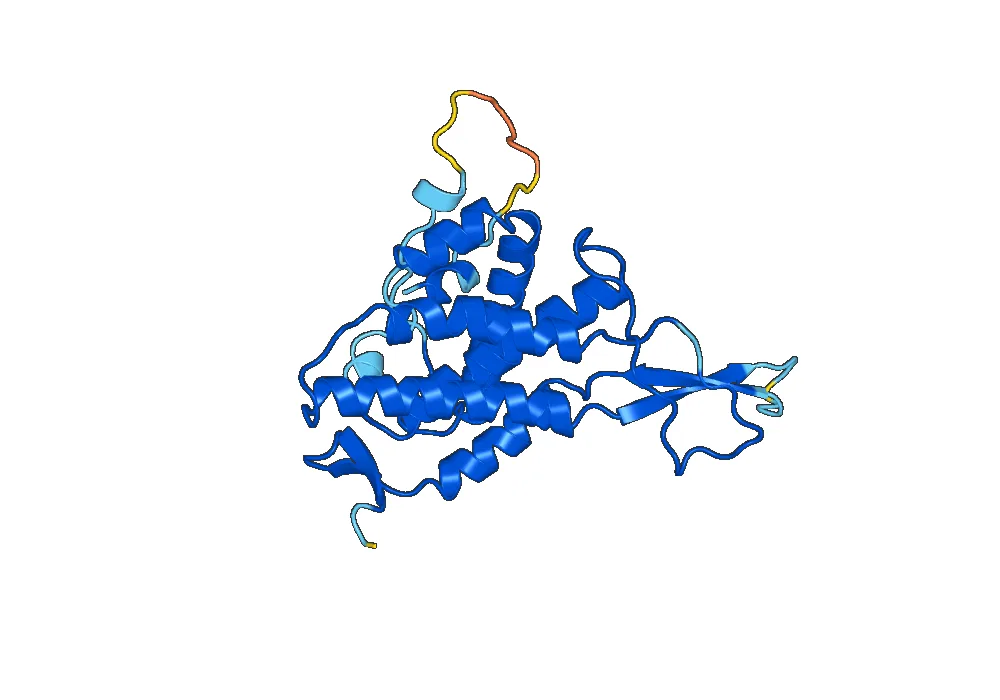
Recombinant Mouse SIGLEC10/SLG2 Protein is a transmembrane protein with a molecular weight of approximately 70 kDa. It is composed of 572 amino acids and has a single transmembrane domain, a cytoplasmic domain, and an extracellular domain. The extracellular domain contains two immunoglobulin-like domains, a V-set domain and a C2-set domain, which are characteristic of the SIGLEC family.
Activity of Recombinant Mouse SIGLEC10/SLG2 Protein
Recombinant Mouse SIGLEC10/SLG2 Protein is a member of the SIGLEC family, which are cell surface receptors that bind to sialic acid-containing glycans. Sialic acids are a type of sugar that are commonly found on the surface of cells and play important roles in cell-cell interactions and immune responses. SIGLEC proteins, including SIGLEC10/SLG2, have been shown to modulate immune responses by regulating the activation and function of immune cells.
The extracellular domain of Recombinant Mouse SIGLEC10/SLG2 Protein is responsible for binding to sialic acid-containing glycans. Upon binding, it can either activate or inhibit signaling pathways in immune cells, depending on the type of sialic acid and the downstream signaling molecules involved. This activity of SIGLEC10/SLG2 is important for maintaining immune homeostasis and preventing excessive immune responses.
Applications of Recombinant Mouse SIGLEC10/SLG2 Protein
Recombinant Mouse SIGLEC10/SLG2 Protein has a wide range of applications in both basic research and clinical settings. Its ability to modulate immune responses makes it a valuable tool for studying the immune system and its role in various diseases. Some potential applications of this protein include:
– Studying immune cell activation and signaling: Recombinant Mouse SIGLEC10/SLG2 Protein can be used to investigate the role of sialic acid-binding proteins in immune cell activation and signaling. This can provide insights into the mechanisms underlying immune responses and help identify potential targets for therapeutic intervention.
– Developing therapeutic interventions for autoimmune diseases: As an immune modulator, Recombinant Mouse SIGLEC10/SLG2 Protein has the potential to be used as a therapeutic agent for autoimmune diseases. By targeting specific sialic acid-containing glycans, it can regulate immune responses and potentially prevent or treat autoimmune disorders.
– Investigating the role of sialic acids in cancer: Sialic acids are known to play important roles in cancer progression and metastasis. Recombinant Mouse SIGLEC10/SLG2 Protein can be used to study the interactions between cancer cells and the immune system, and potentially identify new therapeutic targets for cancer treatment.
– Developing diagnostic tools for infectious diseases: Many pathogens, including viruses and bacteria, have sialic acids on their surface that can interact with SIGLEC proteins. Recombinant Mouse SIGLEC10/SLG2 Protein can be used to develop diagnostic tools for detecting these pathogens and monitoring their interactions with the immune system.
Conclusion
Recombinant Mouse SIGLEC10/SLG2 Protein is a valuable tool for studying the immune system and its role in various diseases. Its structure, activity, and applications make it a versatile protein that can be used in a wide range of research and clinical settings. By understanding the functions of SIGLEC10/SLG2, we can gain insights into the complex
There are no reviews yet.