Rosopatamab Biosimilar – A Promising Antibody for Targeting FOLH1 in
Cancer Therapy Introduction
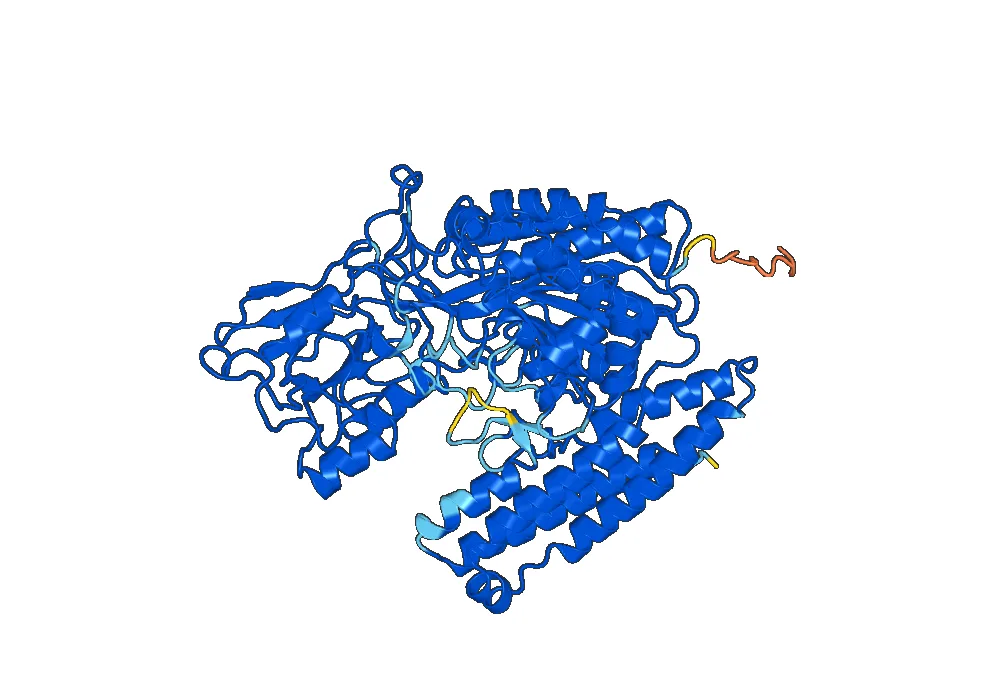
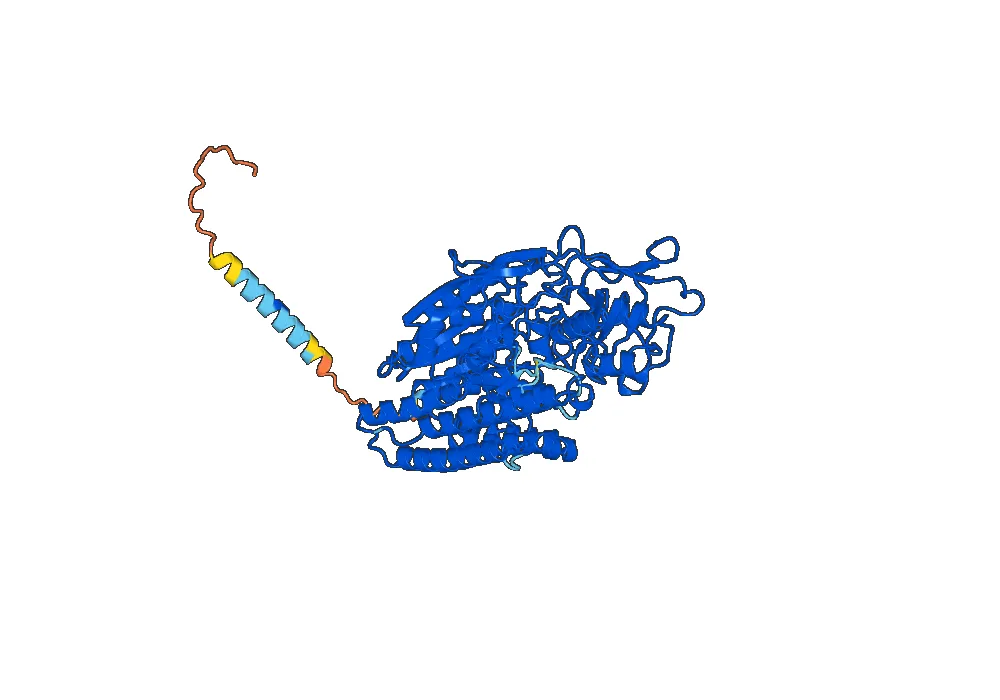
Rosopatamab Biosimilar, also known as Anti-FOLH1 mAb, is a monoclonal antibody that has shown promising results in targeting FOLH1 in cancer therapy. FOLH1, also known as prostate-specific membrane antigen (PSMA), is a protein that is highly expressed in several types of cancer, including prostate, bladder, and ovarian cancer. In this article, we will discuss the structure, activity, and potential applications of Rosopatamab Biosimilar as a research-grade antibody for targeting FOLH1.
Structure of Rosopatamab Biosimilar
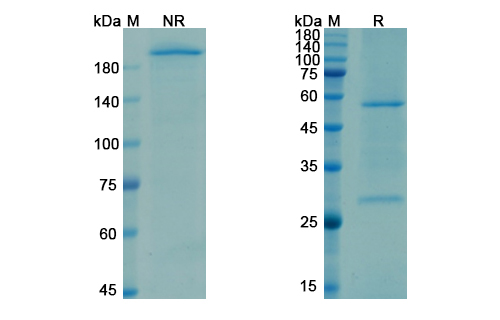
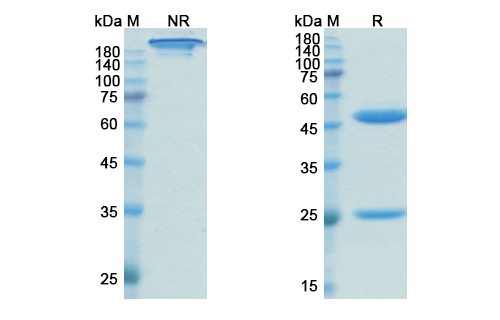
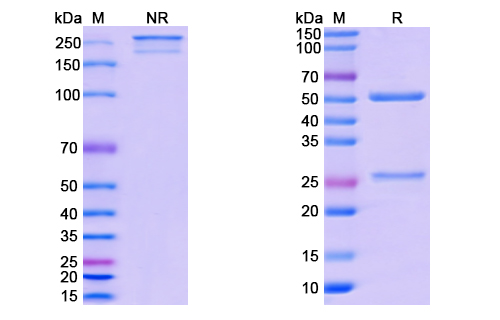
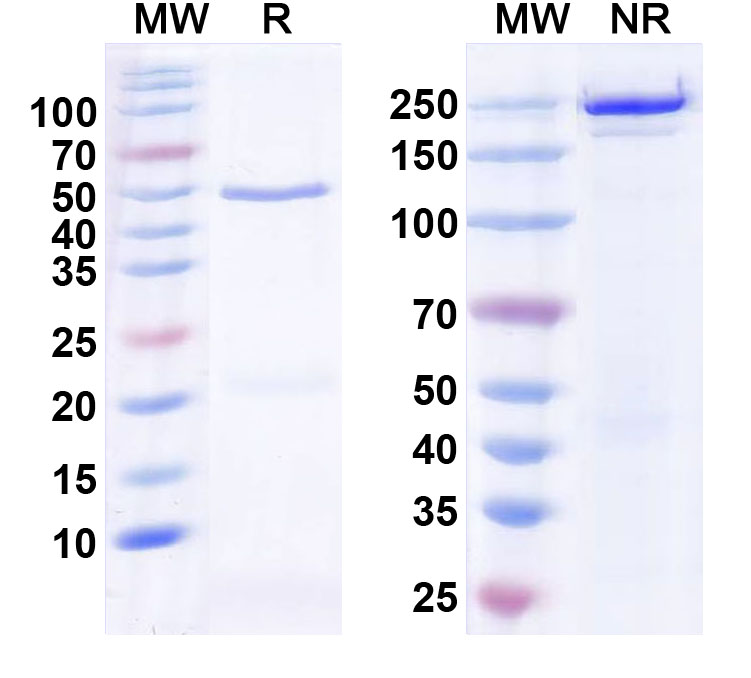
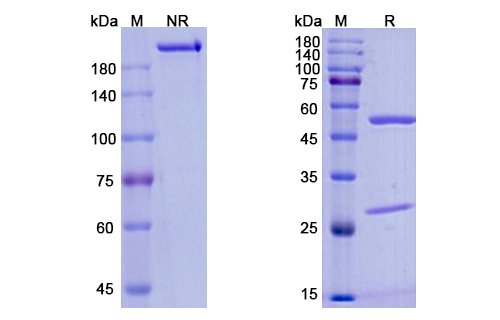
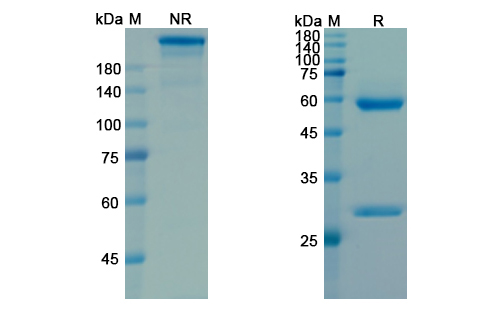
Rosopatamab Biosimilar is a fully humanized monoclonal antibody, meaning it is derived from human cells and has a high affinity for the FOLH1 protein. It is composed of two heavy chains and two light chains, which are connected by disulfide bonds. The antibody has a molecular weight of approximately 150 kDa and belongs to the IgG1 subclass, which is known for its high binding affinity and effector functions.
The variable regions of Rosopatamab Biosimilar are responsible for binding to the FOLH1 protein, while the constant regions mediate the effector functions, such as antibody-dependent cellular cytotoxicity (ADCC) and complement-dependent cytotoxicity (CDC). This unique structure of Rosopatamab Biosimilar allows it to specifically target and bind to FOLH1, leading to its potential therapeutic applications.
Activity of Rosopatamab Biosimilar
The primary activity of Rosopatamab Biosimilar is its ability to bind to FOLH1 with high specificity and affinity. This binding leads to the inhibition of FOLH1 signaling pathways, which are involved in cancer cell proliferation, invasion, and metastasis. Additionally, the binding of Rosopatamab Biosimilar to FOLH1 can also induce antibody-dependent cellular cytotoxicity (ADCC) and complement-dependent cytotoxicity (CDC), resulting in the destruction of cancer cells.
Studies have shown that Rosopatamab Biosimilar has a higher binding affinity for FOLH1 compared to other anti-FOLH1 antibodies, making it a promising therapeutic agent for targeting FOLH1 in cancer therapy. Furthermore, the fully humanized structure of Rosopatamab Biosimilar reduces the risk of immune reactions and increases its efficacy in cancer treatment.
Applications of Rosopatamab Biosimilar
Rosopatamab Biosimilar has shown potential in various preclinical and clinical studies for the treatment of different types of cancer. Some of the potential applications of Rosopatamab Biosimilar include:
- Treatment of prostate cancer: FOLH1 is highly expressed in prostate cancer cells, making it an ideal target for Rosopatamab Biosimilar. Clinical trials have shown promising results in using Rosopatamab Biosimilar as a targeted therapy for prostate cancer, either alone or in combination with other treatments.
- Treatment of ovarian cancer: FOLH1 is also overexpressed in ovarian cancer cells, and studies have shown that Rosopatamab Biosimilar can effectively inhibit the growth and proliferation of these cells.
- Treatment of bladder cancer: Similar to prostate and ovarian cancer, FOLH1 is highly expressed in bladder cancer cells. Rosopatamab Biosimilar has shown potential in targeting and destroying these cells, leading to a decrease in tumor growth and progression.
- Research tool for studying FOLH1: Rosopatamab Biosimilar can also be used as a research-grade antibody for studying the structure and function of FOLH1 in different types of cancer. Its high specificity and affinity make it a valuable tool for

There are no reviews yet.