Introduction to Sutimlimab Biosimilar
Sutimlimab Biosimilar, also known as Anti-C1S mAb, is a research grade monoclonal antibody that has shown promising results in the treatment of various immune-mediated diseases. This biosimilar is a highly specific and potent inhibitor of C1s, an enzyme involved in the classical complement pathway of the immune system. In this article, we will explore the structure, activity, and potential applications of Sutimlimab Biosimilar.
Structure of Sutimlimab Biosimilar
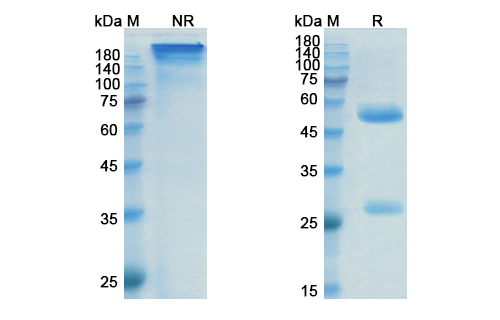
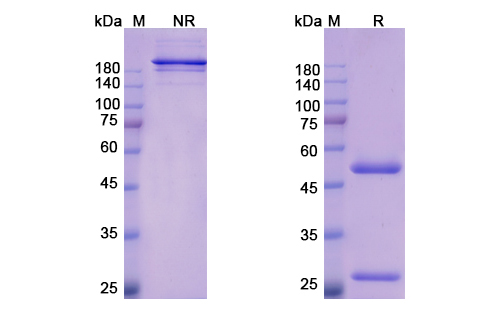
Sutimlimab Biosimilar is a recombinant humanized monoclonal antibody, meaning it is produced in a laboratory using genetic engineering techniques. It is composed of two identical heavy chains and two identical light chains, each containing a variable region and a constant region. The variable region is responsible for binding to its target, C1s, while the constant region determines the antibody’s effector functions.
Activity of Sutimlimab Biosimilar
Sutimlimab Biosimilar works by binding to C1s and preventing its activation, thereby inhibiting the classical complement pathway. This pathway plays a crucial role in the body’s immune response by recognizing and eliminating foreign pathogens. However, dysregulation of this pathway can lead to various autoimmune and inflammatory diseases. Sutimlimab Biosimilar’s ability to block C1s activation is key in treating these conditions.
Mechanism of Action
Once bound to C1s, Sutimlimab Biosimilar blocks the binding of C1s to its substrate, C4, preventing the formation of the C1 complex. This, in turn, prevents the activation of the rest of the complement cascade, leading to decreased inflammation and tissue damage.
Specificity and Potency
Sutimlimab Biosimilar has shown high specificity for C1s, with minimal cross-reactivity with other proteins in the complement pathway. This ensures that its therapeutic effects are targeted and not accompanied by unwanted side effects. Additionally, Sutimlimab Biosimilar has demonstrated potent inhibition of C1s activity, making it a promising candidate for the treatment of various immune-mediated diseases.
Applications of Sutimlimab Biosimilar
Sutimlimab Biosimilar has shown potential in the treatment of various immune-mediated diseases, including paroxysmal nocturnal hemoglobinuria (PNH), cold agglutinin disease (CAD), and myasthenia gravis (MG).
PNH
PNH is a rare, life-threatening disorder characterized by the destruction of red blood cells. It is caused by a mutation in the gene that encodes for a protein involved in the regulation of the complement pathway. Sutimlimab Biosimilar has been shown to effectively inhibit the complement pathway and reduce hemolysis in patients with PNH.
CAD
CAD is a rare autoimmune disorder in which the immune system attacks red blood cells in cold temperatures. Sutimlimab Biosimilar has shown promising results in reducing hemolysis and improving anemia in patients with CAD.
MG
MG is an autoimmune disorder that affects the neuromuscular junction, leading to muscle weakness and fatigue. Sutimlimab Biosimilar has shown potential in reducing the production of autoantibodies that target the neuromuscular junction, thereby improving muscle strength and function in patients with MG.
Conclusion
In summary, Sutimlimab Biosimilar is a research grade monoclonal antibody that has shown promising results in the treatment of various immune-mediated diseases. Its highly specific and potent inhibition of C1s makes it a promising therapeutic option for patients with PNH, CAD, and MG. Further research and clinical trials are needed to fully understand the potential of Sutimlimab Biosimilar in treating these conditions.

There are no reviews yet.