Introduction to T10B9.1A-31 Biosimilar – A Promising Anti-T Cell Receptor Antibody T10B9.1A-31 Biosimilar is a novel antibody that has gained significant attention in the field of immunotherapy due to its potential as a therapeutic agent. This biosimilar is a monoclonal antibody that specifically targets the T cell receptor (TCR), a key player in the immune response. In this article, we will explore the structure, activity, and potential applications of T10B9.1A-31 Biosimilar as a research-grade antibody.
Structure of T10B9.1A-31 Biosimilar
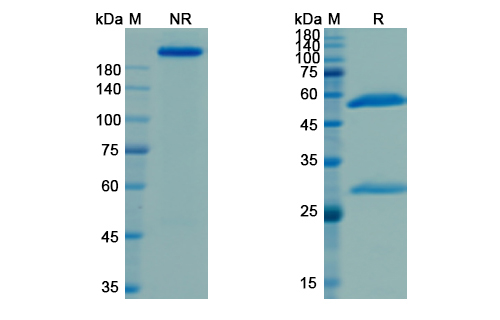
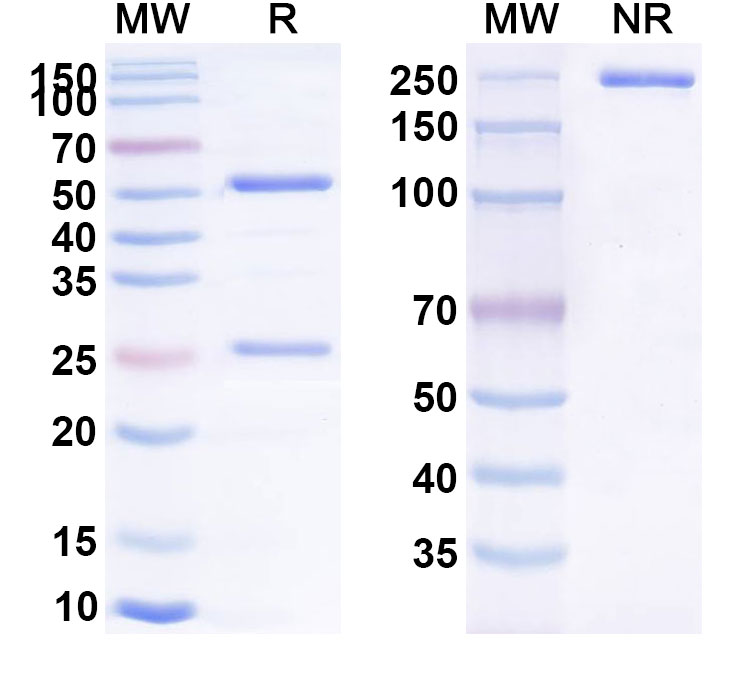
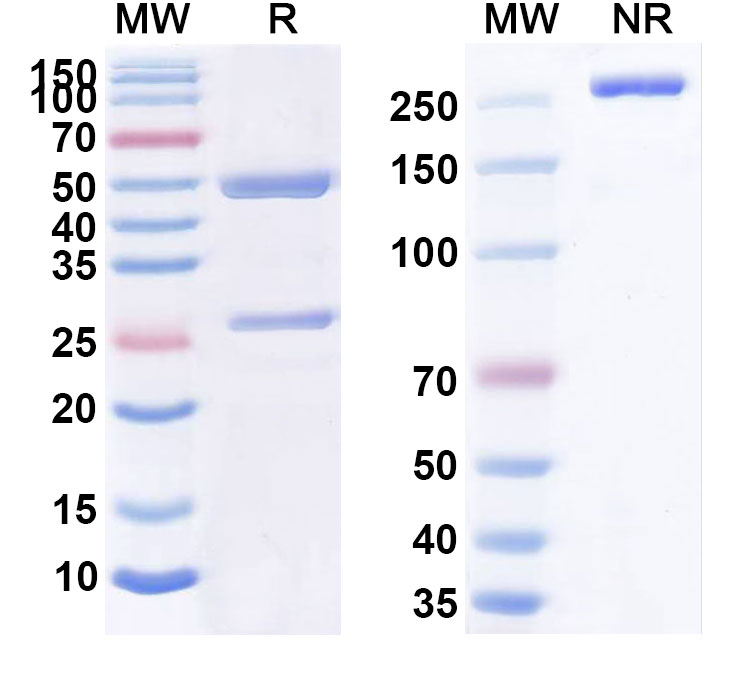
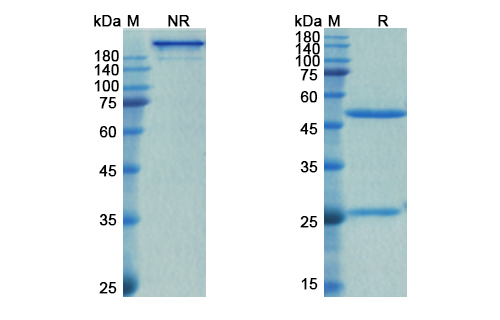
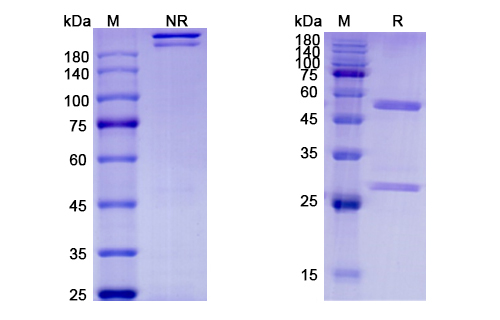
T10B9.1A-31 Biosimilar is a recombinant, fully humanized monoclonal antibody that is derived from the original T10B9.1A antibody. It is composed of two identical heavy chains and two identical light chains, each containing variable and constant regions. The variable regions of the antibody are responsible for binding to the TCR, while the constant regions determine the antibody’s effector functions.
Activity of T10B9.1A-31 Biosimilar
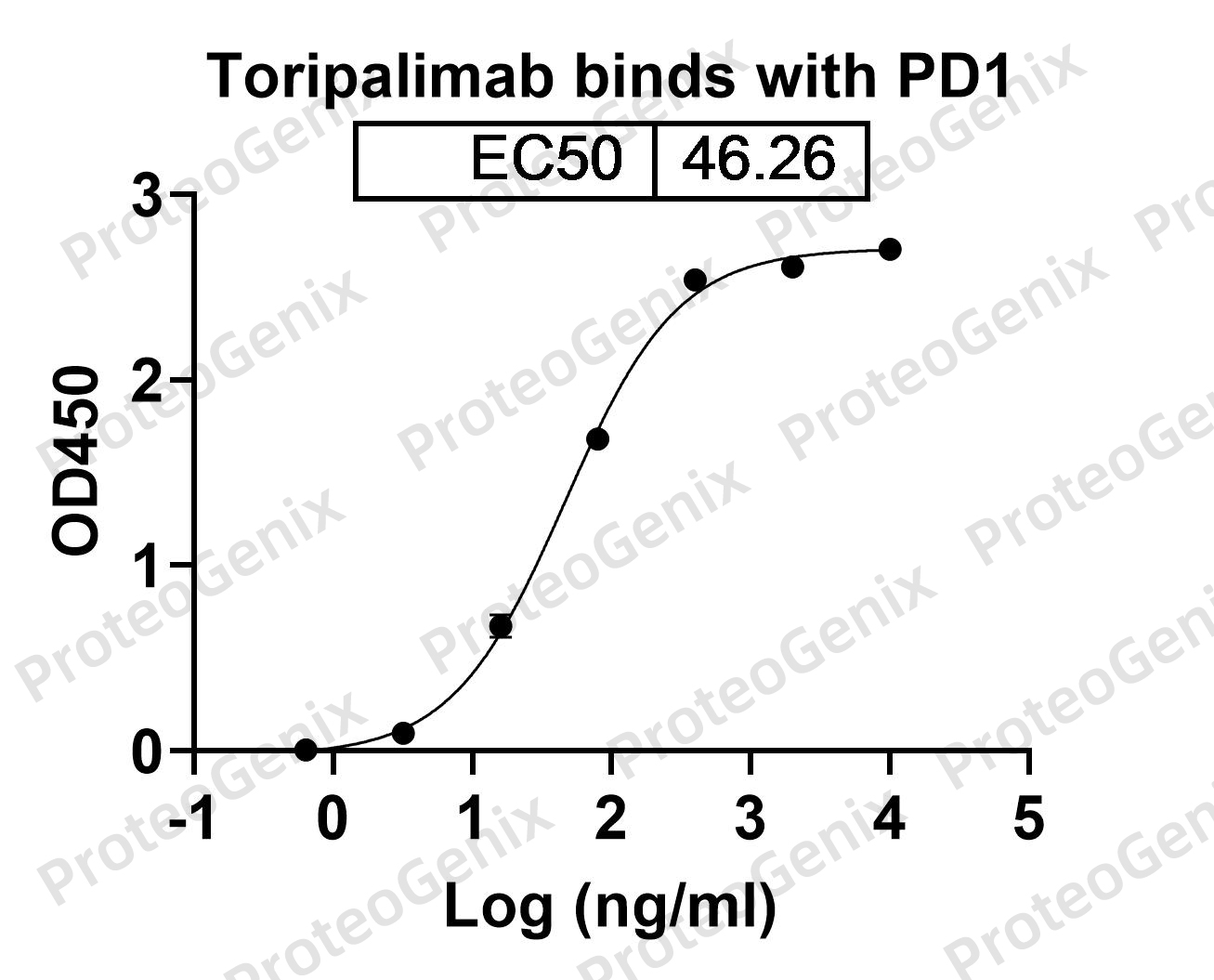
T10B9.1A-31 Biosimilar has been shown to bind to the TCR with high affinity and specificity. This binding inhibits the TCR signaling pathway, which is essential for T cell activation and proliferation. By blocking the TCR, T10B9.1A-31 Biosimilar can modulate the immune response and potentially suppress autoimmune diseases or prevent organ rejection in transplant patients.
In addition to its binding activity, T10B9.1A-31 Biosimilar also has effector functions that can contribute to its therapeutic potential. These include antibody-dependent cellular cytotoxicity (ADCC) and complement-dependent cytotoxicity (CDC). ADCC involves the recruitment of immune cells, such as natural killer cells, to target and kill cells that are bound by the antibody. CDC, on the other hand, involves the activation of the complement system to destroy target cells.
Applications of T10B9.1A-31 Biosimilar as a Research-Grade Antibody
T10B9.1A-31 Biosimilar has shown promising results in preclinical studies for various autoimmune diseases, including multiple sclerosis, rheumatoid arthritis, and type 1 diabetes. Its ability to inhibit T cell activation and proliferation makes it a potential therapeutic option for these conditions. Furthermore, T10B9.1A-31 Biosimilar has also been investigated for its potential use in preventing organ rejection in transplant patients.
In addition to its therapeutic applications, T10B9.1A-31 Biosimilar is also a valuable tool for research purposes. Its high specificity and affinity for the TCR make it an ideal antibody for studying T cell biology and function. It can be used to investigate the role of the TCR in various diseases and to identify potential therapeutic targets.
Conclusion
In summary, T10B9.1A-31 Biosimilar is a promising anti-TCR antibody with potential therapeutic applications in autoimmune diseases and organ transplantation. Its unique structure and activity make it a valuable tool for research purposes as well. As further studies are conducted, T10B9.1A-31 Biosimilar may prove to be a valuable addition to the arsenal of immunotherapies available for treating various diseases.

There are no reviews yet.