Introduction
Tanezumab is a biosimilar of the anti-IGHE monoclonal antibody (mAb) that has shown promising results in the treatment of various inflammatory conditions. It is a research grade antibody that specifically targets the IGHE protein, making it a valuable tool for studying the role of this protein in various diseases.
Structure of Tanezumab Biosimilar
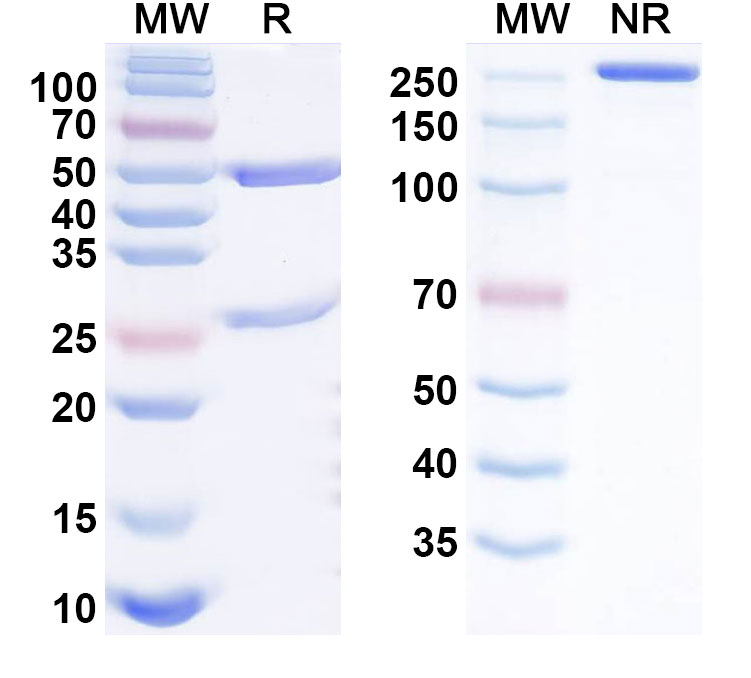
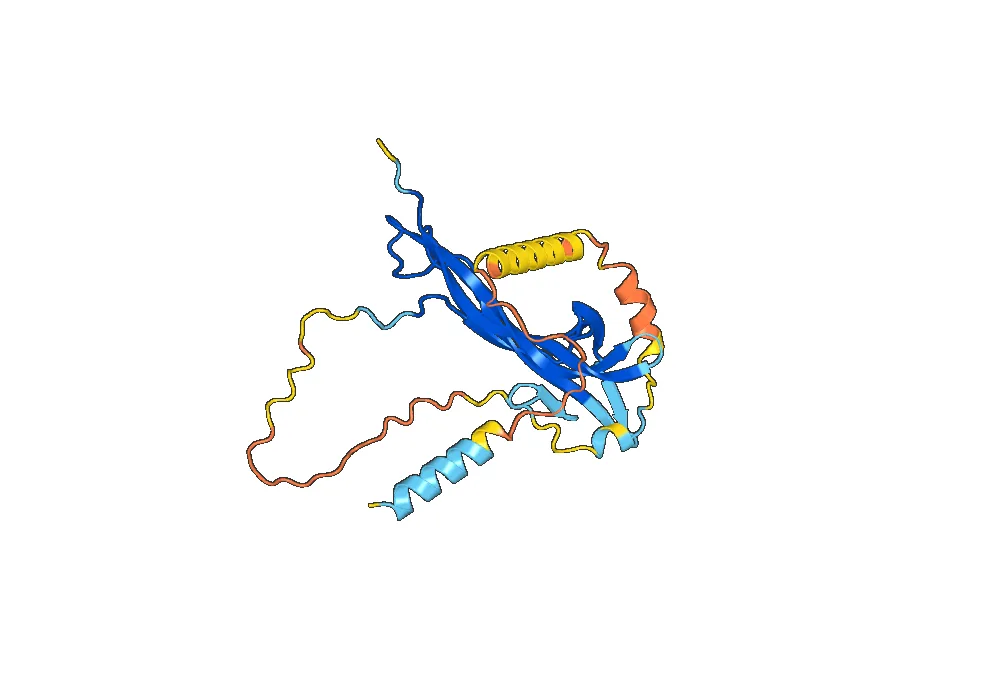
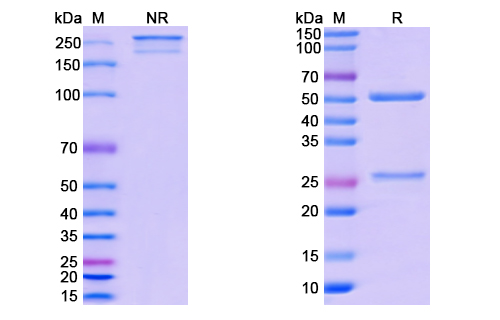
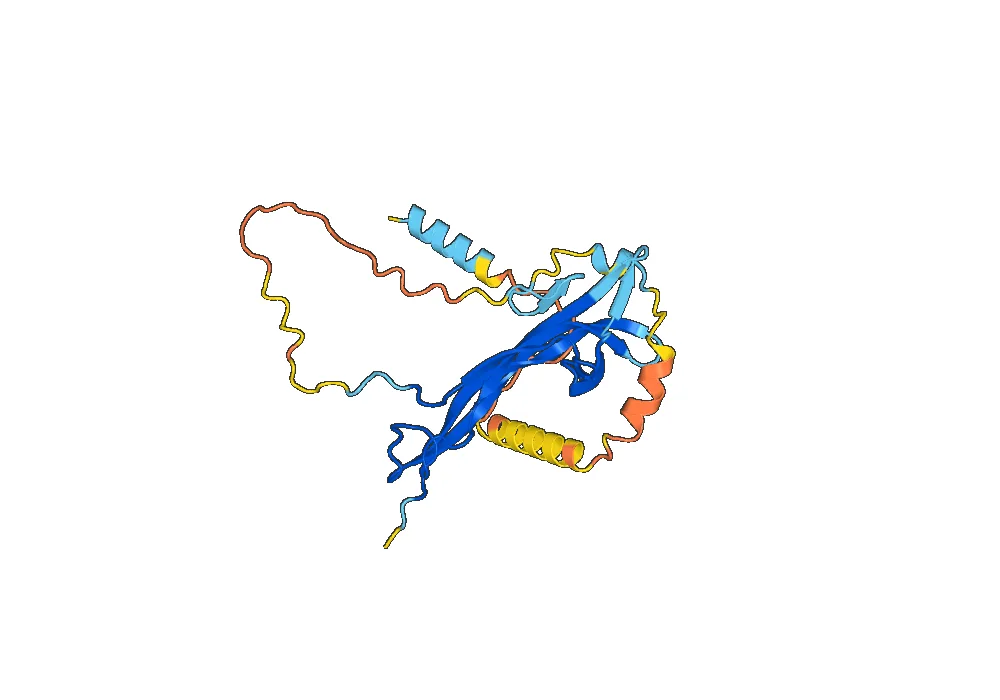
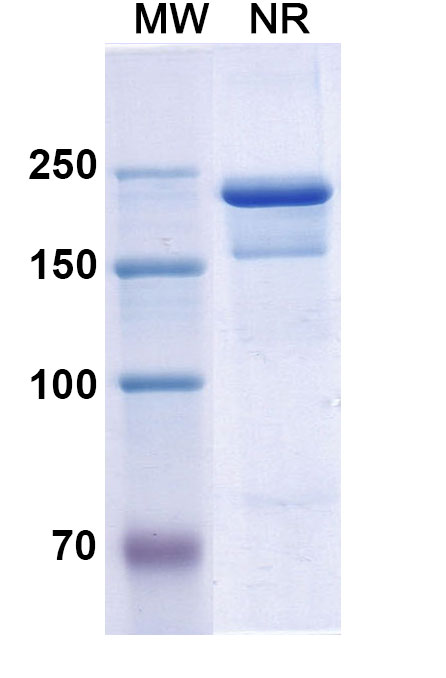
Tanezumab Biosimilar is a recombinant humanized IgG1 mAb that has been engineered to have a high affinity for the IGHE protein. It is composed of two heavy chains and two light chains, with a molecular weight of approximately 150 kDa. The antibody has a unique binding site that specifically recognizes and binds to the IGHE protein, preventing its interaction with other molecules and inhibiting its function.
Activity of Tanezumab Biosimilar
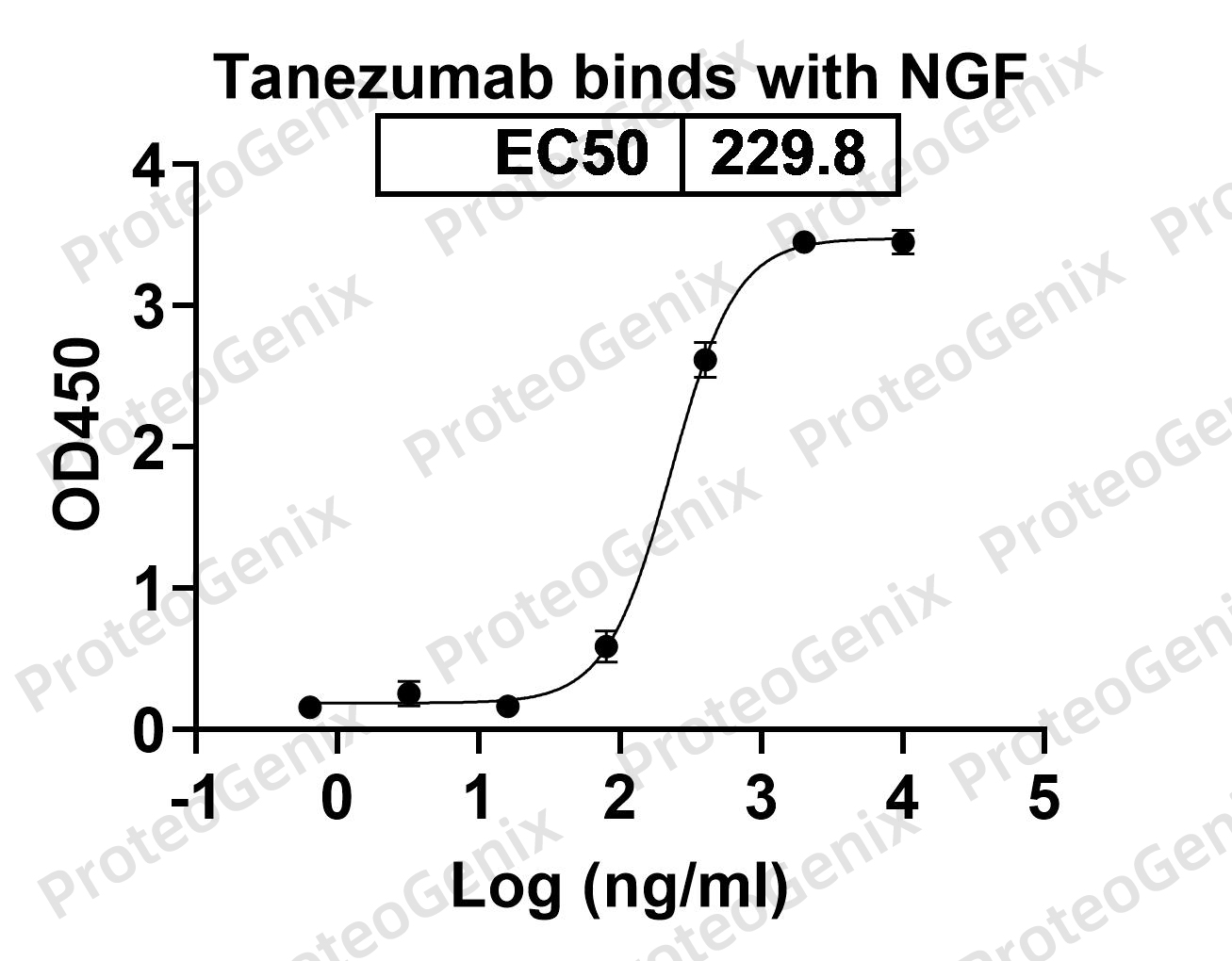
The primary activity of Tanezumab Biosimilar is its ability to block the function of the IGHE protein. IGHE is a key mediator of inflammation and is involved in various immune responses. By binding to IGHE, Tanezumab Biosimilar prevents it from activating immune cells and triggering inflammatory responses. This leads to a decrease in the production of inflammatory cytokines and a reduction in the overall inflammatory response.
In addition to its anti-inflammatory activity, Tanezumab Biosimilar also has other potential activities. Studies have shown that it may have a role in modulating the function of immune cells, such as B cells and T cells, and may also have an impact on the production of antibodies. These additional activities are still being investigated and may have implications for the use of Tanezumab Biosimilar in the treatment of various diseases.
Application of Tanezumab Biosimilar
Tanezumab Biosimilar has shown promising results in preclinical studies for the treatment of various inflammatory conditions, including asthma, rheumatoid arthritis, and psoriasis. It has also been investigated for its potential use in allergic diseases, such as allergic rhinitis and atopic dermatitis. The unique specificity of Tanezumab Biosimilar for the IGHE protein makes it a valuable tool for studying the role of this protein in these diseases, as well as for identifying potential new therapeutic targets.
Furthermore, Tanezumab Biosimilar has also been investigated for its potential use in cancer therapy. IGHE has been shown to play a role in tumor growth and progression, and targeting this protein with Tanezumab Biosimilar may have anti-tumor effects. Clinical trials are currently underway to evaluate the efficacy and safety of Tanezumab Biosimilar in cancer treatment.
Conclusion
Tanezumab Biosimilar is a research grade anti-IGHE mAb with a unique structure and activity. Its ability to specifically target the IGHE protein makes it a valuable tool for studying the role of this protein in various diseases, as well as for potential therapeutic use. With promising results in preclinical studies and ongoing clinical trials, Tanezumab Biosimilar has the potential to become a valuable treatment option for a range of inflammatory conditions and cancer.
Keywords
Antibody, therapeutic target, Tanezumab Biosimilar, anti-IGHE mAb, structure, activity, application, inflammation, immune response, cancer therapy.


There are no reviews yet.