Introduction
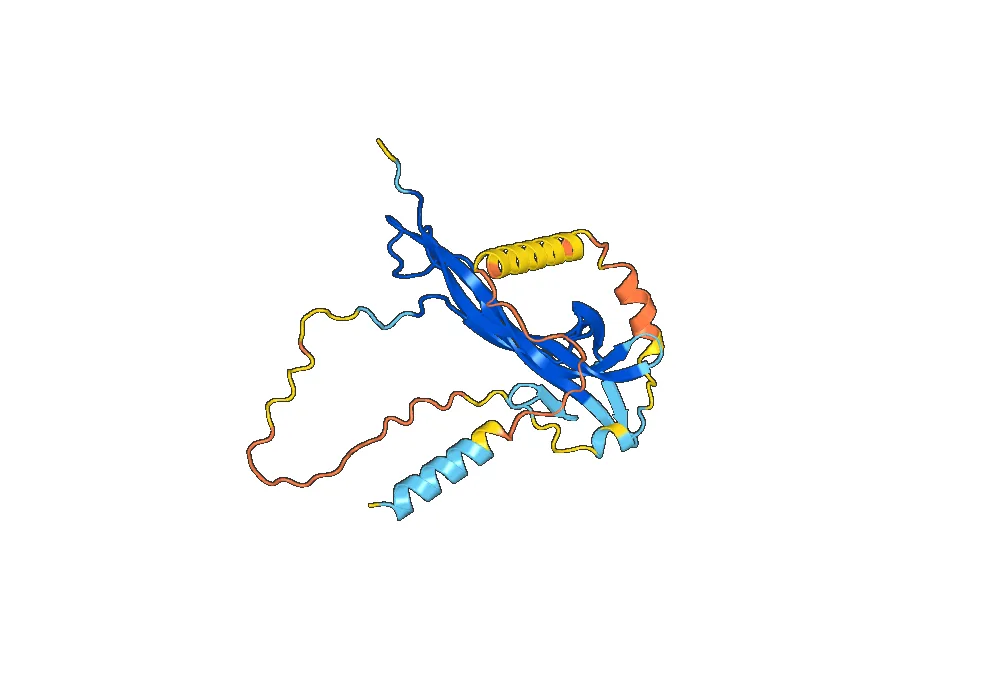
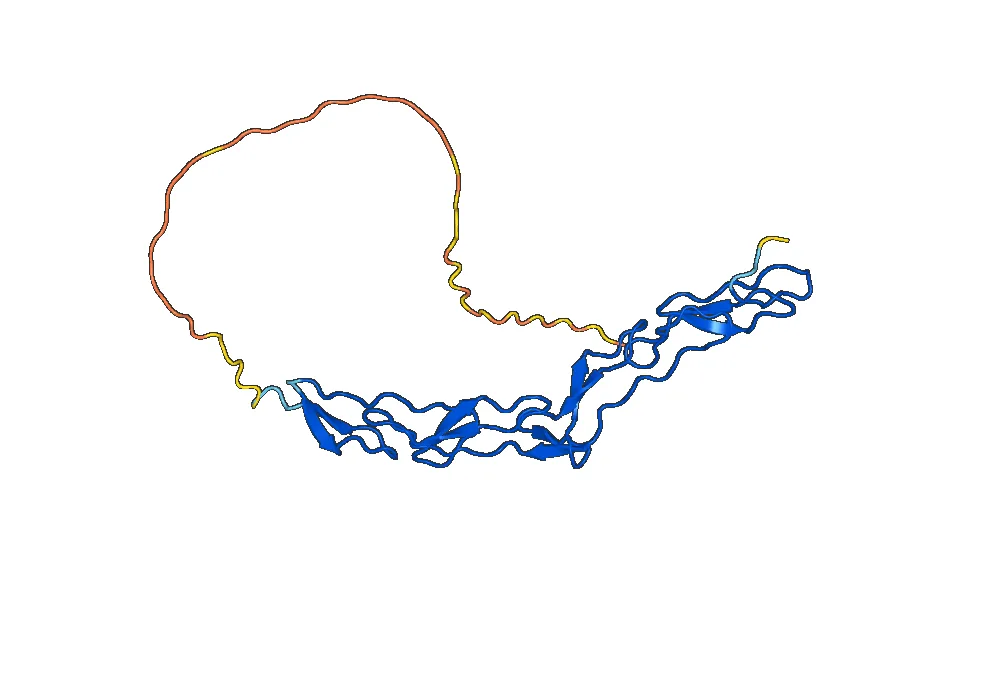
Relfovetmab Biosimilar, also known as Anti-NGF or NGFB mAb, is a research grade monoclonal antibody that targets the nerve growth factor (NGF). NGF is a protein that plays a crucial role in the development and maintenance of the nervous system. Relfovetmab Biosimilar is a biosimilar version of the original monoclonal antibody, designed to have similar structure, activity and application, but at a more affordable cost.
Structure of Relfovetmab Biosimilar
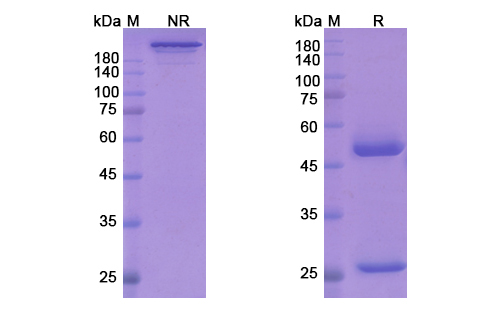
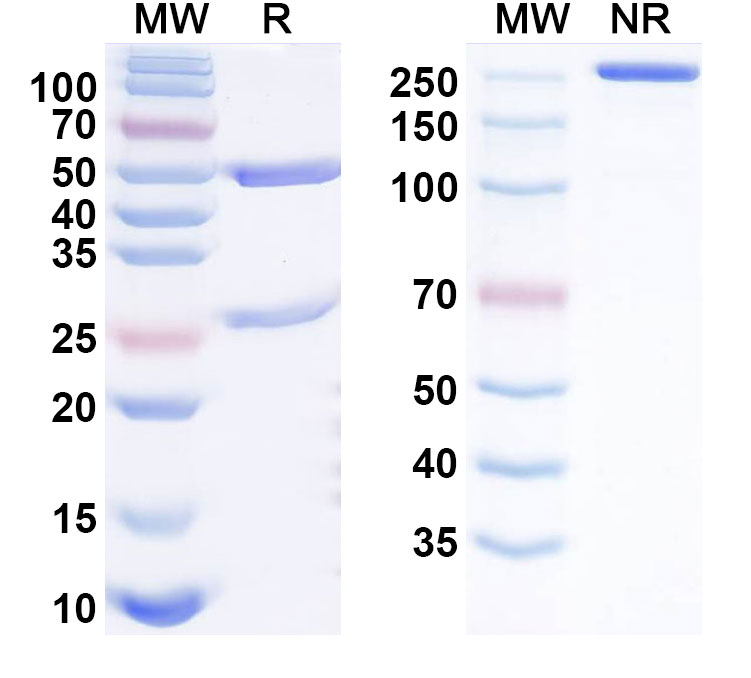
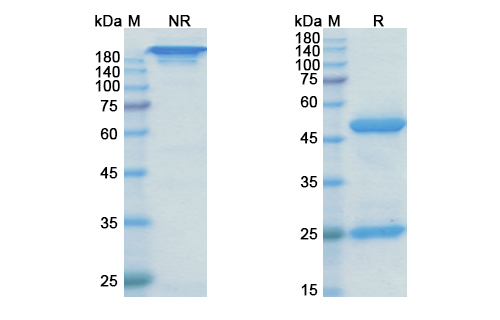
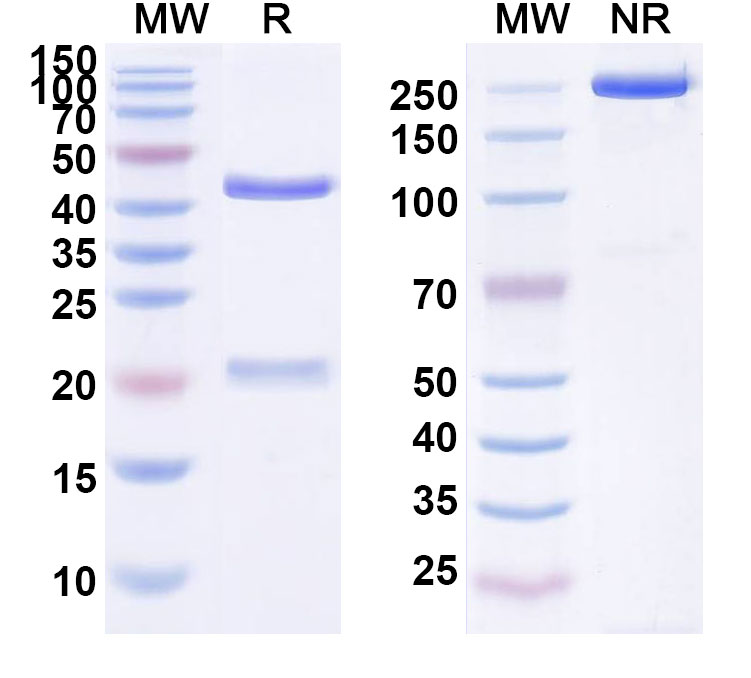
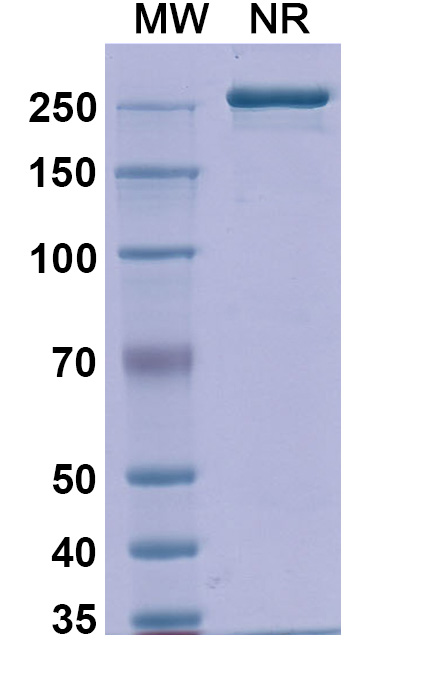
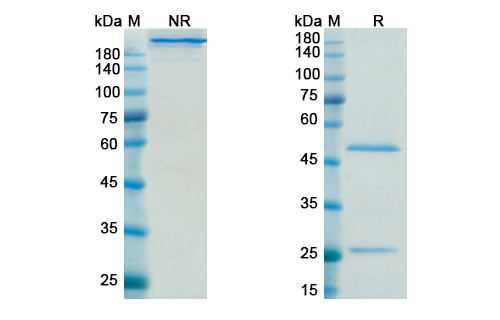
Relfovetmab Biosimilar is a recombinant humanized monoclonal antibody, meaning that it is produced in a laboratory using genetic engineering techniques. It is composed of two heavy chains and two light chains, connected by disulfide bonds. The antibody has a molecular weight of approximately 150 kDa and a half-life of around 20 days in the body.
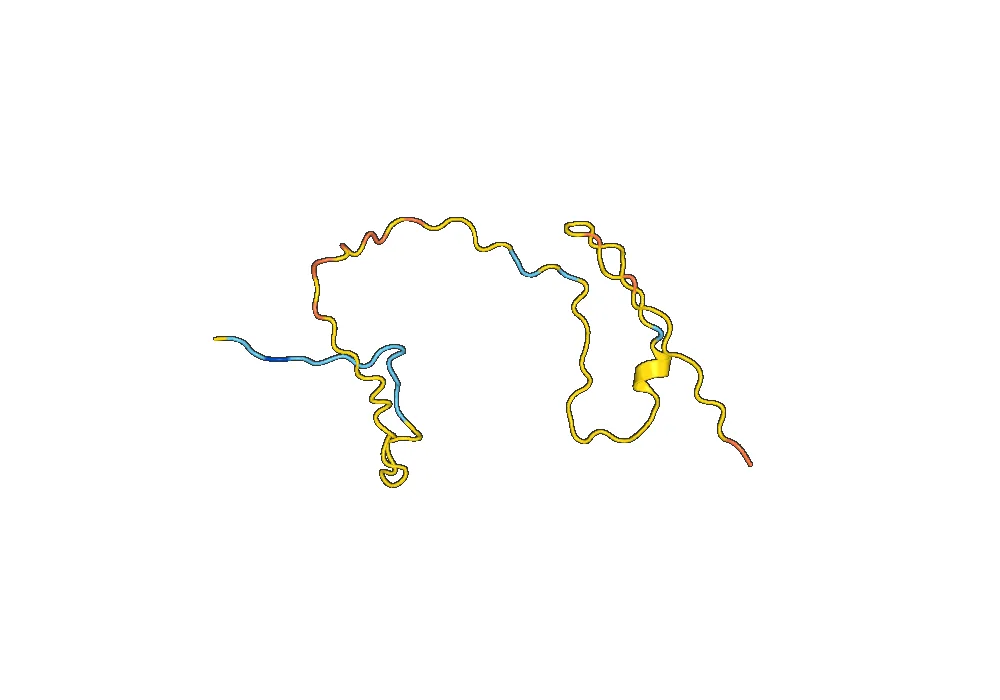
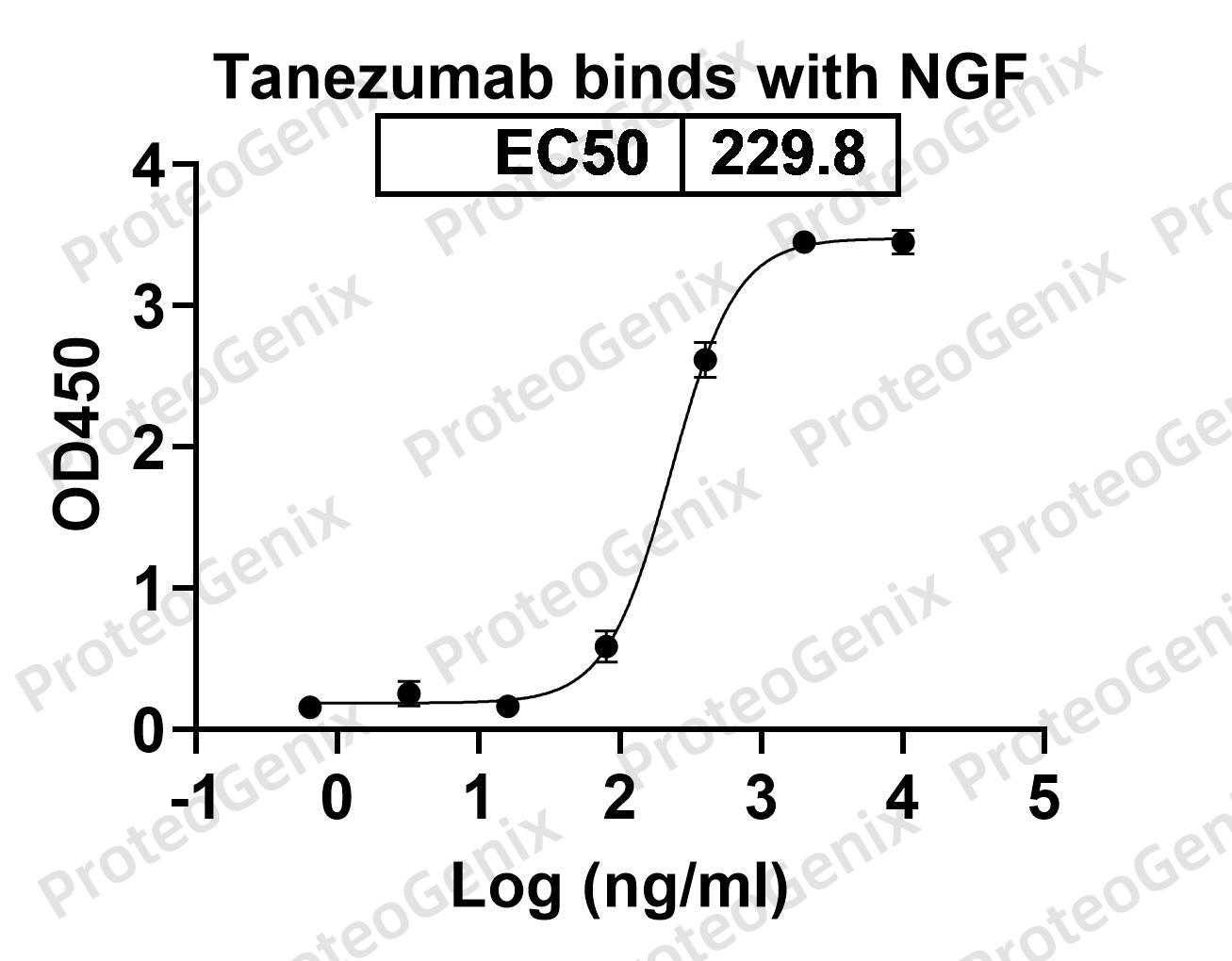
The antigen-binding region of Relfovetmab Biosimilar is made up of variable regions of the heavy and light chains, which are responsible for binding to the NGF protein. The constant regions of the antibody determine its effector functions, such as activation of the immune system and clearance of the target protein.
Mechanism of Action
Relfovetmab Biosimilar works by binding to NGF and preventing it from interacting with its receptors, TrkA and p75. This inhibits the downstream signaling pathways involved in pain transmission and inflammation, making it a potential therapeutic target for chronic pain conditions such as osteoarthritis and neuropathic pain.
In addition, Relfovetmab Biosimilar has been shown to induce the internalization and degradation of NGF receptors, leading to a decrease in the number of receptors available for binding to NGF. This further reduces the activity of NGF and its effects on pain and inflammation.
Applications of Relfovetmab Biosimilar
Relfovetmab Biosimilar has potential applications in the treatment of various chronic pain conditions, including osteoarthritis, diabetic neuropathy, and cancer pain. It is currently being evaluated in clinical trials for its safety and efficacy in these indications.
In addition, Relfovetmab Biosimilar can also be used in research settings to study the role of NGF in various diseases and to develop new therapies targeting the NGF pathway. Its low cost and availability in large quantities make it a valuable tool for researchers.
Conclusion
Relfovetmab Biosimilar is a research grade monoclonal antibody that targets the nerve growth factor, a protein involved in pain and inflammation. Its structure and mechanism of action are similar to the original monoclonal antibody, making it a cost-effective alternative for research and potential therapeutic use. With ongoing clinical trials and potential applications in various chronic pain conditions, Relfovetmab Biosimilar holds promise as a valuable tool in the fight against pain and inflammation.
Keywords
Antibody, therapeutic target, Relfovetmab Biosimilar, Anti-NGF, NGFB mAb, nerve growth factor, chronic pain, inflammation, osteoarthritis, neuropathic pain, TrkA, p75, clinical trials, research.
There are no reviews yet.