Introduction
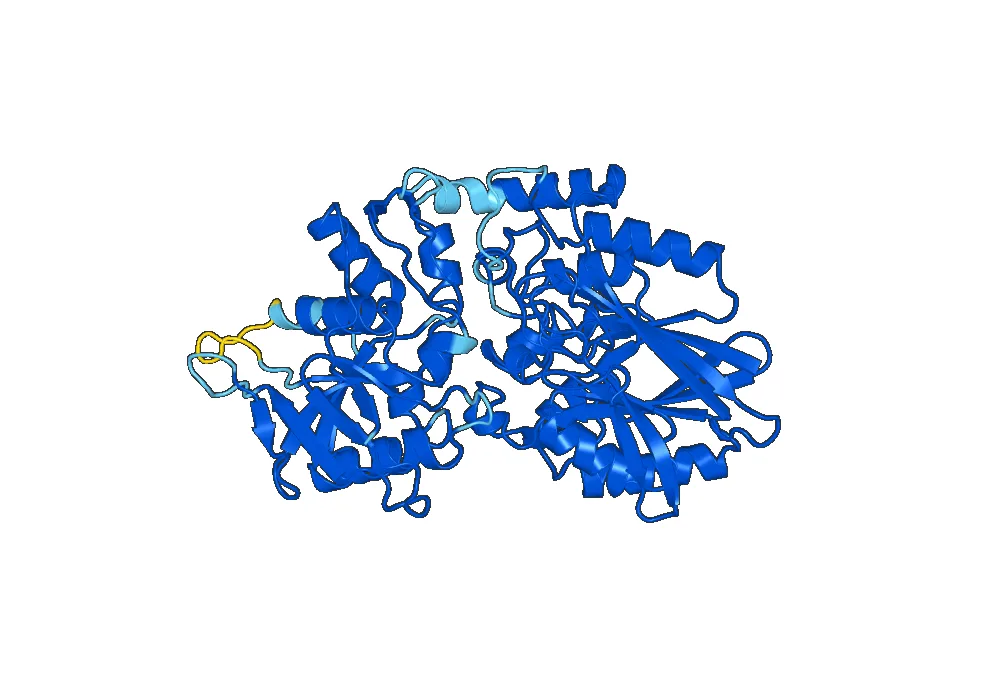
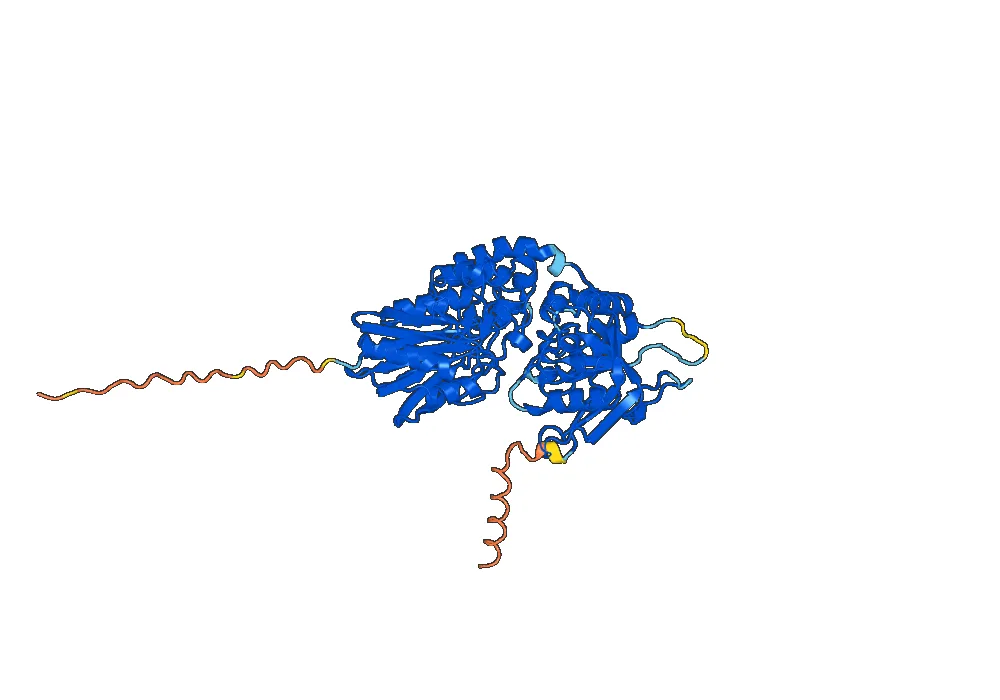
Uliledlimab Biosimilar, also known as Anti-NT5E mAb, is a monoclonal antibody that has been developed as a biosimilar to the original Uliledlimab. This biosimilar is a highly specific and potent therapeutic agent that targets the enzyme NT5E, also known as CD73. NT5E is a key enzyme involved in the production of adenosine, a molecule that plays a crucial role in regulating the immune response. By targeting NT5E, Uliledlimab Biosimilar has the potential to modulate the immune response and treat a variety of diseases. In this article, we will discuss the structure, activity, and potential applications of Uliledlimab Biosimilar.
Structure of Uliledlimab Biosimilar
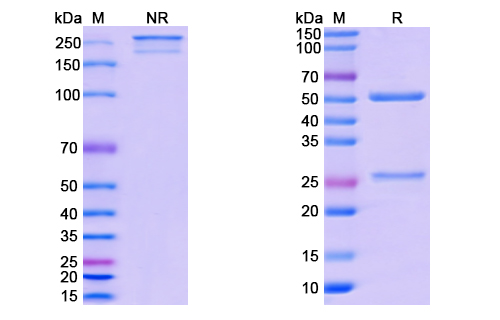
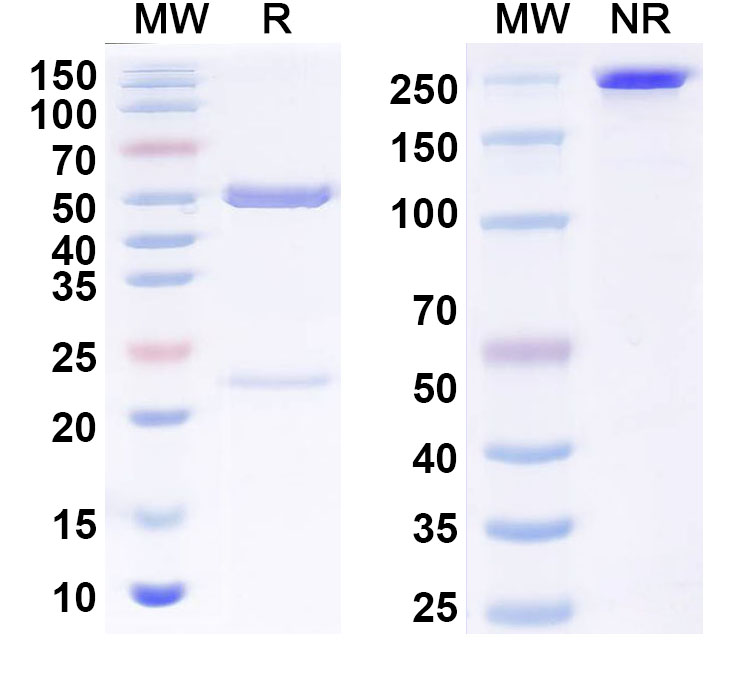
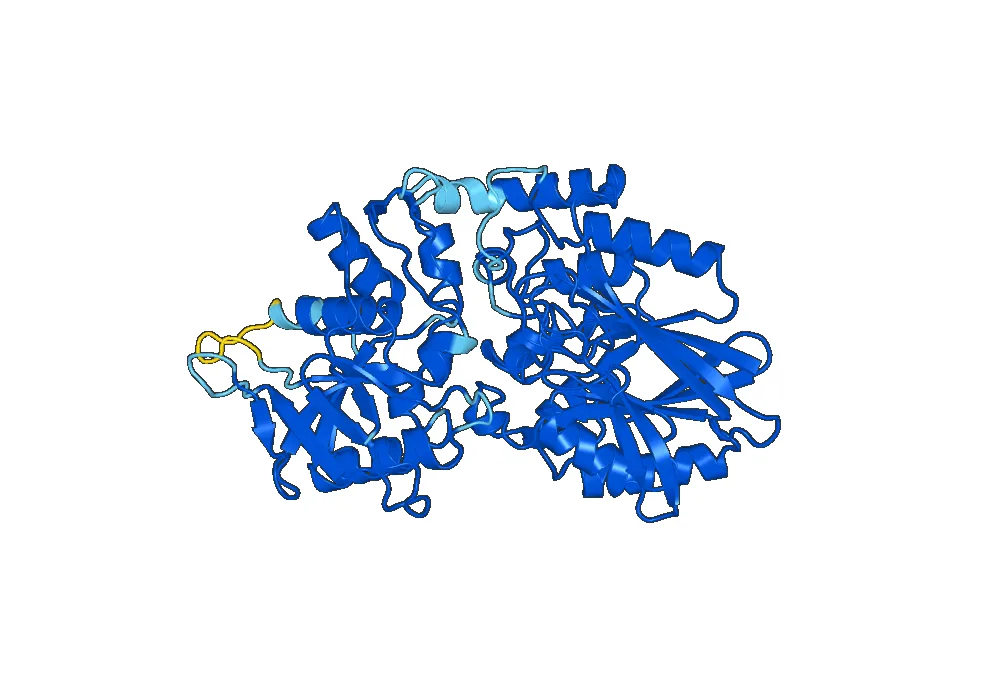
Uliledlimab Biosimilar is a monoclonal antibody that is produced using recombinant DNA technology. It is a humanized antibody, meaning that it is derived from a mouse antibody but has been modified to have a human-like structure. This modification reduces the likelihood of an immune response when the antibody is administered to patients.
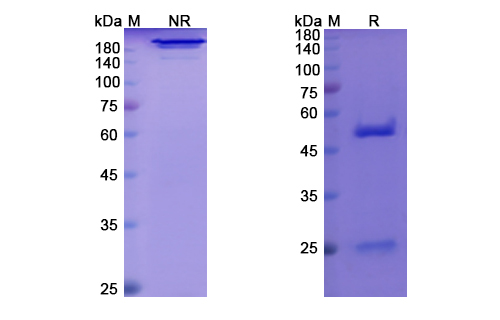
The antibody has a Y-shaped structure, with two identical heavy chains and two identical light chains. Each chain is made up of a constant region and a variable region. The variable regions are responsible for binding to the target molecule, NT5E. The constant regions, on the other hand, are responsible for triggering the immune response and recruiting other immune cells to the site of action.
Activity of Uliledlimab Biosimilar
The main target of Uliledlimab Biosimilar is NT5E, an enzyme that is found on the surface of various immune cells, such as T cells, B cells, and natural killer cells. NT5E is responsible for converting adenosine monophosphate (AMP) into adenosine, a molecule that has anti-inflammatory and immunosuppressive effects. By targeting NT5E, Uliledlimab Biosimilar prevents the production of adenosine, thereby modulating the immune response.
In addition to its inhibitory effect on NT5E, Uliledlimab Biosimilar also has an immunostimulatory effect. It activates the immune system by binding to the Fc receptors on immune cells, leading to the recruitment of other immune cells and the production of cytokines. This dual mechanism of action makes Uliledlimab Biosimilar a potent therapeutic agent for a variety of diseases.
Applications of Uliledlimab Biosimilar
Uliledlimab Biosimilar has shown promising results in preclinical studies for the treatment of various diseases, including autoimmune diseases, cancer, and infectious diseases. By targeting NT5E, it has the potential to treat diseases that are characterized by an overactive immune response, such as rheumatoid arthritis, psoriasis, and multiple sclerosis.
Moreover, Uliledlimab Biosimilar has also shown potential as a cancer immunotherapy. By inhibiting the production of adenosine, it can enhance the anti-tumor immune response and prevent tumor growth. It has been studied in various types of cancer, including lung cancer, breast cancer, and melanoma, and has shown promising results in combination with other cancer treatments.
In addition, Uliledlimab Biosimilar has shown potential in the treatment of infectious diseases. By modulating the immune response, it can help fight against viral and bacterial infections. It has been studied in viral infections such as HIV and hepatitis B, as well as bacterial infections such as sepsis and tuberculosis.
Conclusion
In summary, Uliledlimab Biosimilar is a highly specific and potent therapeutic agent that targets the enzyme NT5E. It has a Y-shaped structure and works by inhibiting the production of adenosine and activating the immune system. It has shown promising results in preclinical studies for the treatment of various diseases, including autoimmune diseases, cancer, and infectious diseases. Further clinical trials are needed to fully evaluate the potential of Uliledlimab Biosimilar as a therapeutic agent.
There are no reviews yet.