The Structure and Function of Vorsetuzumab ELISA Kit: A Powerful Tool for Antibody Detection and Therapeutic Targeting
Introduction
Vorsetuzumab is a recombinant humanized monoclonal antibody that has shown promising results in the treatment of various diseases, including cancer. Its specificity and high affinity for its target make it a valuable tool in both research and clinical settings. In order to detect and quantify the levels of Vorsetuzumab in biological samples, a specialized tool known as the Vorsetuzumab ELISA Kit has been developed. This kit provides a reliable and sensitive method for the detection and measurement of Vorsetuzumab, making it an essential component in studying the structure, activity, and application of this important therapeutic antibody.
Structure of Vorsetuzumab
Vorsetuzumab is a recombinant humanized monoclonal antibody that is composed of two heavy chains and two light chains. The heavy chains consist of a constant region and a variable region, while the light chains consist of a constant region and a variable region. The variable regions of both the heavy and light chains are responsible for the specificity of Vorsetuzumab, as they contain the antigen-binding sites that recognize and bind to its target.
The constant regions of Vorsetuzumab are responsible for its effector functions, such as antibody-dependent cell-mediated cytotoxicity (ADCC) and complement-dependent cytotoxicity (CDC). These functions play a crucial role in the therapeutic activity of Vorsetuzumab, as they help to eliminate target cells and promote an immune response against the disease.
Activity of Vorsetuzumab
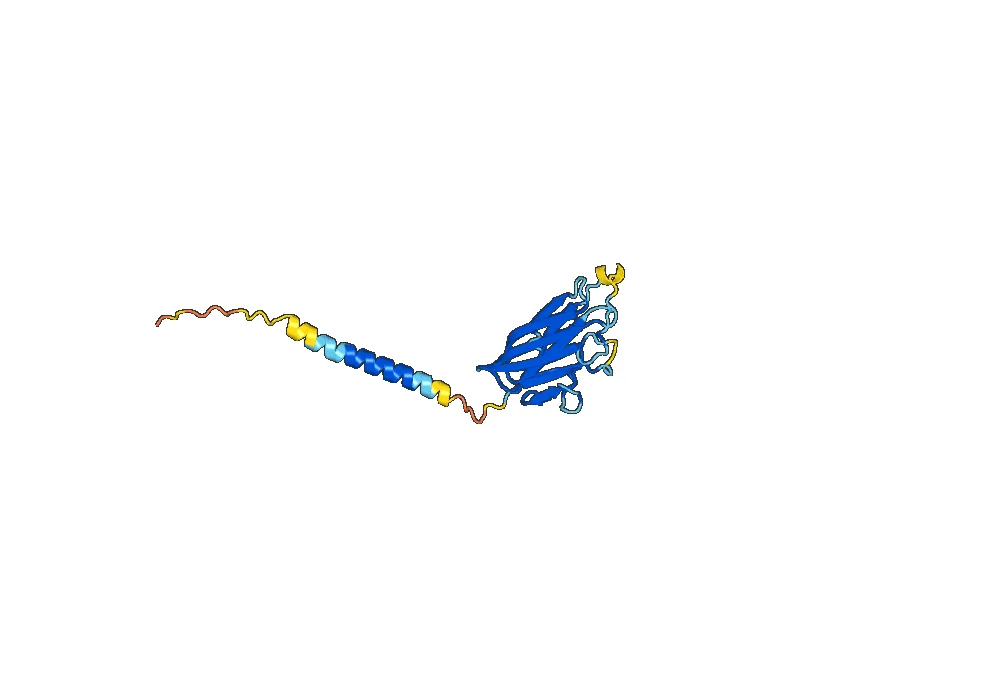
Vorsetuzumab is a potent inhibitor of a protein called CD33, which is a cell surface receptor that is expressed on myeloid cells. CD33 is involved in cell signaling pathways that promote cell survival and proliferation, making it a potential therapeutic target for diseases such as acute myeloid leukemia (AML) and myelodysplastic syndromes (MDS).
By binding to CD33, Vorsetuzumab blocks its activity and triggers the immune system to attack and destroy the CD33-expressing cells. This mechanism of action has been shown to be effective in preclinical studies and is currently being evaluated in clinical trials for the treatment of AML and MDS.
Application of Vorsetuzumab ELISA Kit
The Vorsetuzumab ELISA Kit is a highly sensitive and specific tool that allows for the detection and quantification of Vorsetuzumab in various biological samples, including serum, plasma, and cell culture supernatant. This kit utilizes the principle of enzyme-linked immunosorbent assay (ELISA) to detect the presence of Vorsetuzumab by measuring the absorbance of a colorimetric reaction.
The Vorsetuzumab ELISA Kit has a wide range of applications, including pharmacokinetic studies, drug development, and clinical monitoring. It can be used to determine the concentration of Vorsetuzumab in patient samples, which can help in assessing the efficacy of treatment and optimizing the dosing regimen.
Furthermore, the Vorsetuzumab ELISA Kit can also be used in research studies to investigate the pharmacodynamics of Vorsetuzumab, such as its binding affinity, stability, and distribution in the body. This information can aid in the development of new and improved therapies targeting CD33 and other diseases.
Conclusion
The Vorsetuzumab ELISA Kit is a powerful and essential tool for the detection and measurement of Vorsetuzumab in biological samples. Its high sensitivity and specificity make it an ideal choice for studying the structure, activity, and application of

There are no reviews yet.