Introduction
The 14F7 Biosimilar is a research grade anti-ganglioside N-glycolyl GM3 monoclonal antibody (mAb) that has shown promising results in preclinical studies as a potential therapeutic agent. This biosimilar is designed to target the ganglioside N-glycolyl GM3, a glycolipid present on the surface of various cancer cells, making it a promising candidate for cancer therapy. In this article, we will discuss the structure, activity, and potential applications of the 14F7 Biosimilar in more detail.
Structure of 14F7 Biosimilar
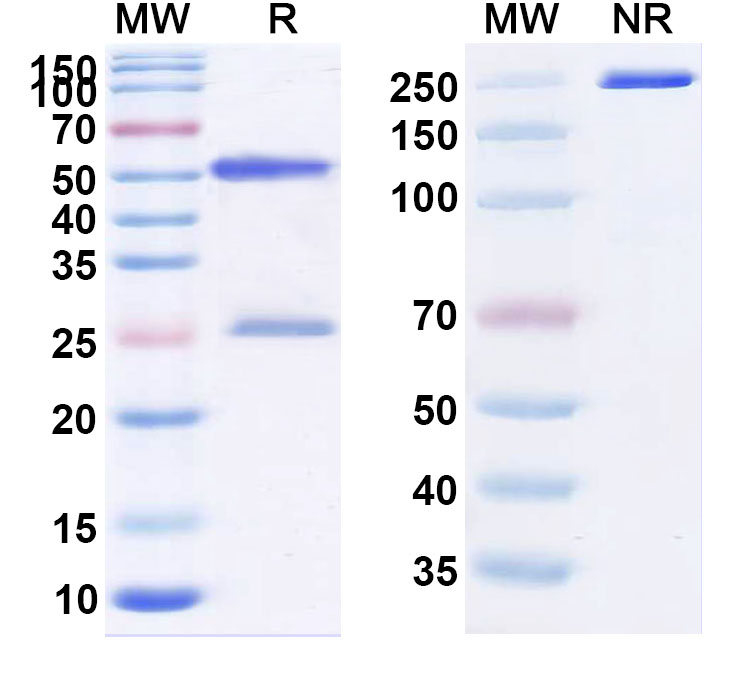
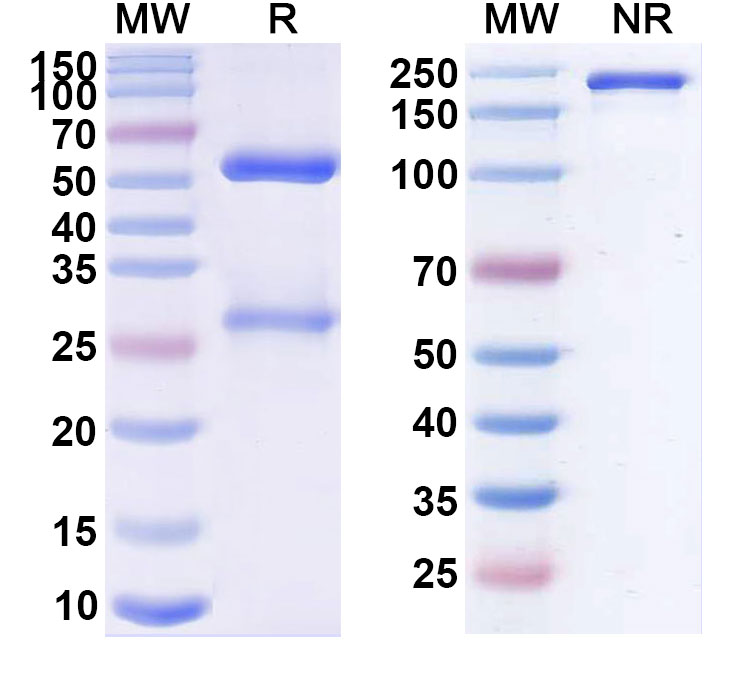
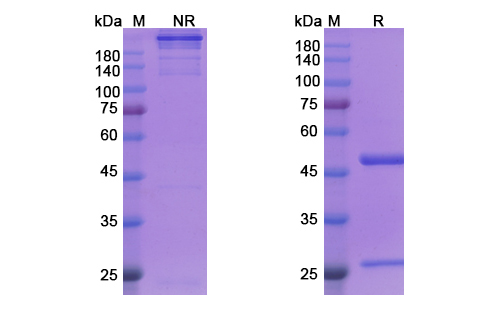
The 14F7 Biosimilar is a recombinant humanized monoclonal antibody that is produced using advanced genetic engineering techniques. It is composed of two identical heavy chains and two identical light chains, each of which is made up of amino acid sequences. The heavy chains contain a constant region and a variable region, while the light chains consist of only a variable region. The variable regions of both chains are responsible for binding to the target ganglioside N-glycolyl GM3.
Activity of 14F7 Biosimilar
The primary activity of the 14F7 Biosimilar is its ability to bind to the ganglioside N-glycolyl GM3 with high specificity and affinity. This binding leads to the formation of a complex that triggers various immune-mediated mechanisms, including antibody-dependent cellular cytotoxicity (ADCC) and complement-dependent cytotoxicity (CDC). These mechanisms ultimately result in the destruction of cancer cells expressing the target ganglioside.
In addition to its direct anti-tumor activity, the 14F7 Biosimilar has also been shown to have a role in modulating the immune response. It has been reported to induce the production of cytokines and chemokines, which can enhance the recruitment and activation of immune cells to the tumor site. This can further potentiate the anti-tumor effects of the biosimilar.
Applications of 14F7 Biosimilar
The primary potential application of the 14F7 Biosimilar is in the treatment of cancer. The ganglioside N-glycolyl GM3 is overexpressed in various types of cancer, including melanoma, breast cancer, and lung cancer. Therefore, the biosimilar has the potential to be effective in treating a wide range of malignancies. In preclinical studies, the 14F7 Biosimilar has shown promising results in inhibiting tumor growth and improving survival rates in animal models.
Apart from its therapeutic potential, the 14F7 Biosimilar also has potential applications in diagnostic and research settings. Its high specificity for the target ganglioside makes it a valuable tool for detecting and quantifying the expression of this molecule in cancer cells. This can aid in the diagnosis and monitoring of cancer progression. Additionally, the biosimilar can be used in research studies to further understand the role of ganglioside N-glycolyl GM3 in cancer and to develop new treatment strategies.
Conclusion
In summary, the 14F7 Biosimilar is a research grade anti-ganglioside N-glycolyl GM3 monoclonal antibody with potential therapeutic applications in cancer treatment. Its unique structure and activity make it a promising candidate for targeting the ganglioside N-glycolyl GM3, a molecule overexpressed in various types of cancer. Further clinical studies are needed to fully evaluate the efficacy and safety of this biosimilar, but it holds great promise in the fight against cancer.
There are no reviews yet.