Introduction
Siplizumab Biosimilar, also known as Anti-CD2, LFA-2 mAb, is a monoclonal antibody (mAb) that targets the CD2 protein on the surface of T cells. It is a research-grade biosimilar of the original Siplizumab, which was developed by the pharmaceutical company Pfizer. Siplizumab Biosimilar is currently being studied for its potential as a therapeutic agent in various diseases, including autoimmune disorders and certain types of cancer.
Structure of Siplizumab Biosimilar
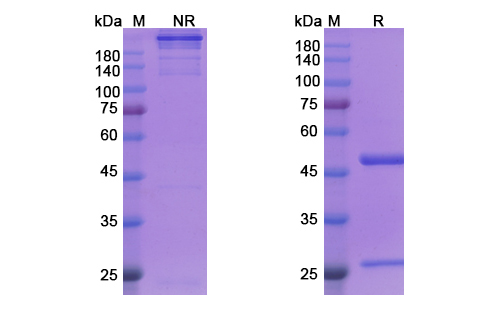
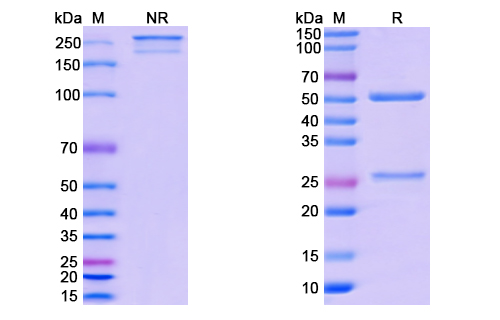
Siplizumab Biosimilar is a recombinant humanized IgG1 monoclonal antibody. It is produced through genetic engineering techniques, where the gene for the antibody is inserted into a host cell, such as Chinese hamster ovary (CHO) cells. The resulting antibody is then purified and formulated for use. Siplizumab Biosimilar has a molecular weight of approximately 150 kDa and consists of two heavy chains and two light chains, connected by disulfide bonds.
Activity of Siplizumab Biosimilar
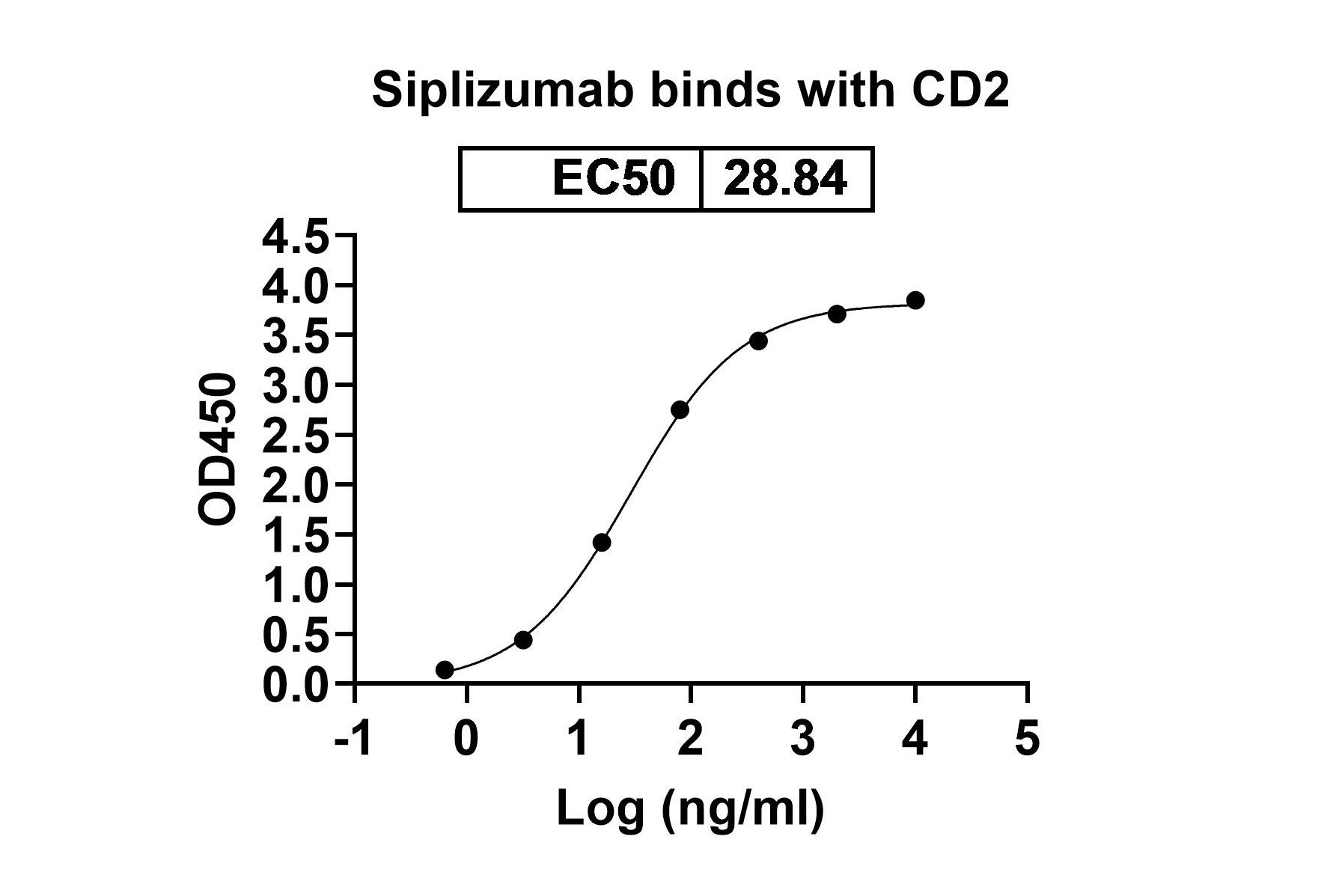
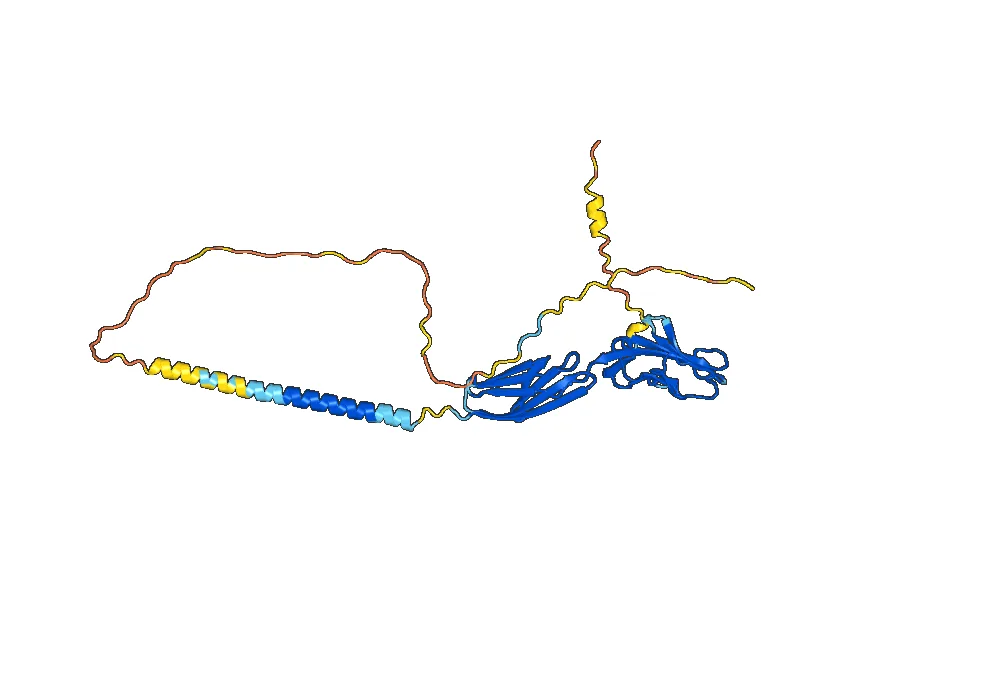
Siplizumab Biosimilar specifically targets the CD2 protein, which is found on the surface of T cells. CD2 is a cell adhesion molecule that plays a crucial role in T cell activation and proliferation. By binding to CD2, Siplizumab Biosimilar inhibits the interaction between T cells and antigen-presenting cells, which is necessary for T cell activation. This leads to a decrease in T cell proliferation and cytokine production, ultimately resulting in an immunosuppressive effect.
Application of Siplizumab Biosimilar
Siplizumab Biosimilar has potential applications in various diseases, particularly those involving overactive or dysfunctional T cells. One of the main therapeutic targets for Siplizumab Biosimilar is autoimmune disorders, such as psoriasis, rheumatoid arthritis, and multiple sclerosis. In these conditions, the immune system mistakenly attacks healthy tissues, leading to inflammation and tissue damage. By inhibiting T cell activation, Siplizumab Biosimilar may help to suppress the immune response and reduce the symptoms of these diseases.
In addition, Siplizumab Biosimilar is being studied as a potential treatment for certain types of cancer. T cells play a crucial role in the body’s immune response against cancer cells. However, in some cases, cancer cells can evade the immune system and continue to grow and spread. By targeting CD2 on T cells, Siplizumab Biosimilar may enhance the body’s natural anti-tumor response and help to control the growth of cancer cells.
Conclusion
Siplizumab Biosimilar, also known as Anti-CD2, LFA-2 mAb, is a research-grade monoclonal antibody that targets the CD2 protein on the surface of T cells. It is a recombinant humanized IgG1 antibody with a molecular weight of approximately 150 kDa. By inhibiting T cell activation, Siplizumab Biosimilar has potential applications in autoimmune disorders and cancer. Further research and clinical trials are needed to fully understand the therapeutic potential of this biosimilar.


There are no reviews yet.