Introduction
Adecatumumab Biosimilar, also known as Anti-EPCAM mAb, is a monoclonal antibody that targets the Epithelial Cell Adhesion Molecule (EPCAM). It is a research grade antibody that has shown promising results in preclinical studies and is currently being developed as a potential therapeutic agent for various types of cancer. In this article, we will discuss the structure, activity, and potential applications of Adecatumumab Biosimilar.
Structure of Adecatumumab Biosimilar
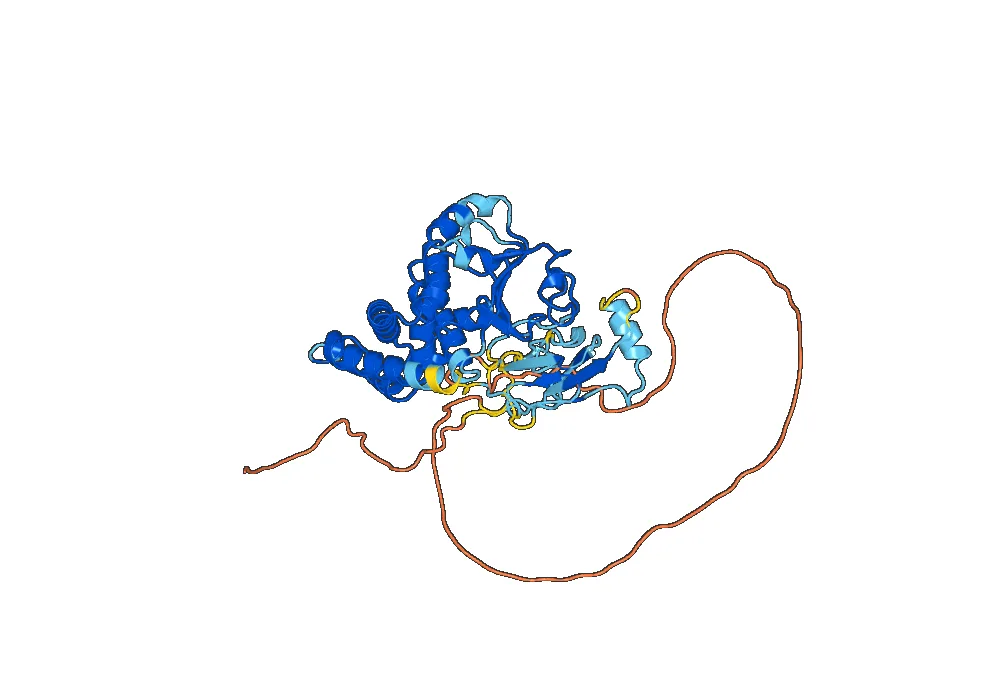
Adecatumumab Biosimilar is a monoclonal antibody, which means it is a type of protein that is produced in the laboratory and designed to target a specific molecule in the body. It is a fully humanized antibody, meaning it is derived from human cells and has a structure similar to the antibodies naturally produced by our immune system. This makes it less likely to cause an immune response in patients.
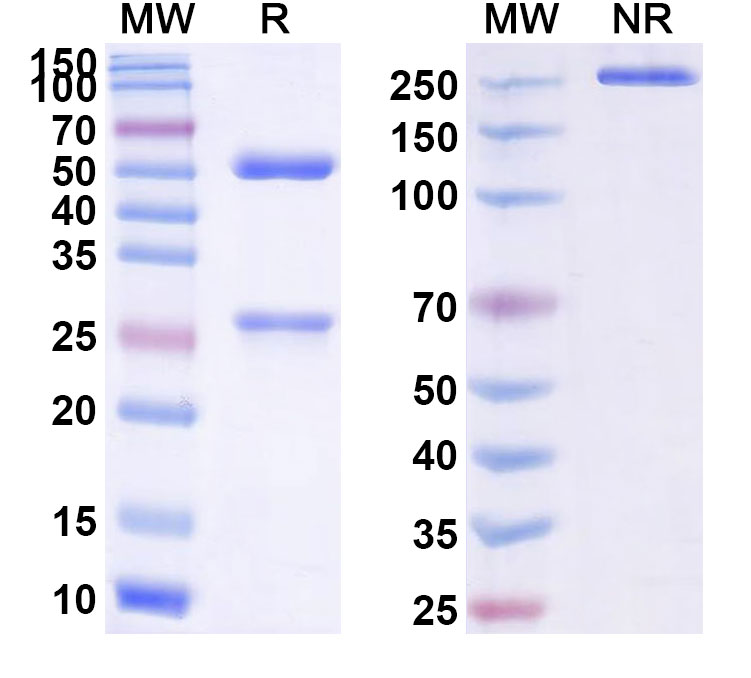
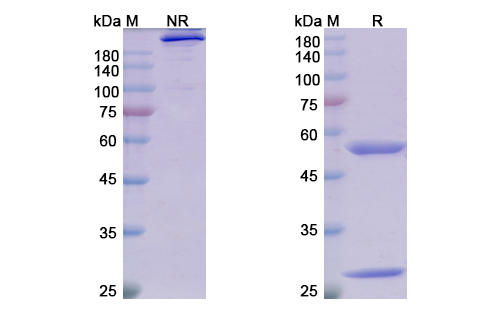
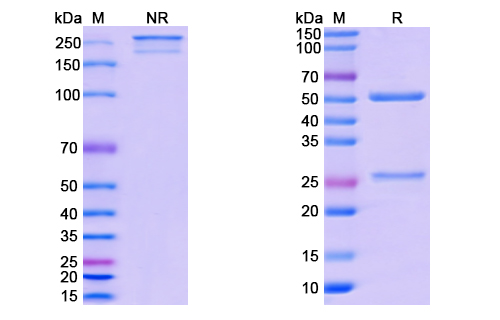
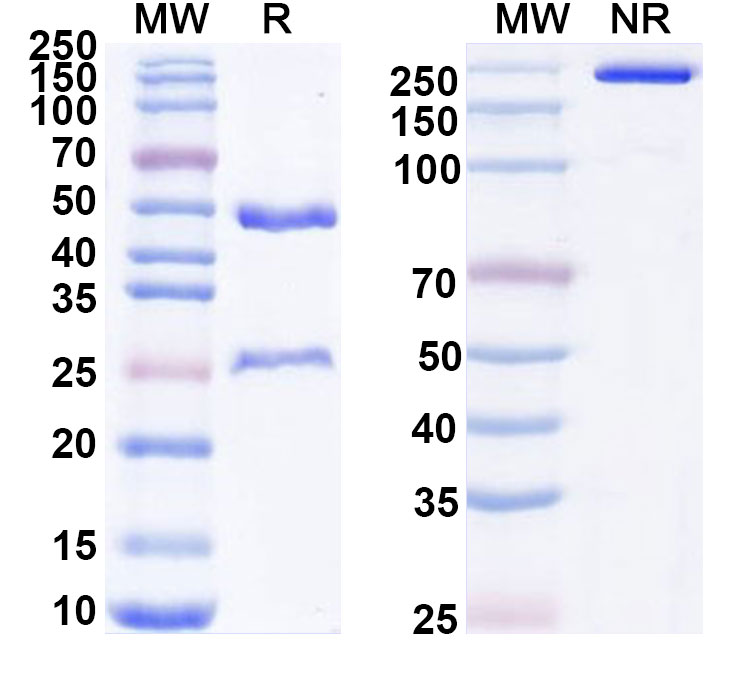
The antibody has a molecular weight of approximately 150 kDa and is composed of two heavy chains and two light chains. The heavy chains are connected to the light chains by disulfide bonds and together they form the characteristic Y-shaped structure of an antibody. The variable regions of the antibody, which are responsible for binding to EPCAM, are located at the tips of the Y-shaped structure.
Activity of Adecatumumab Biosimilar
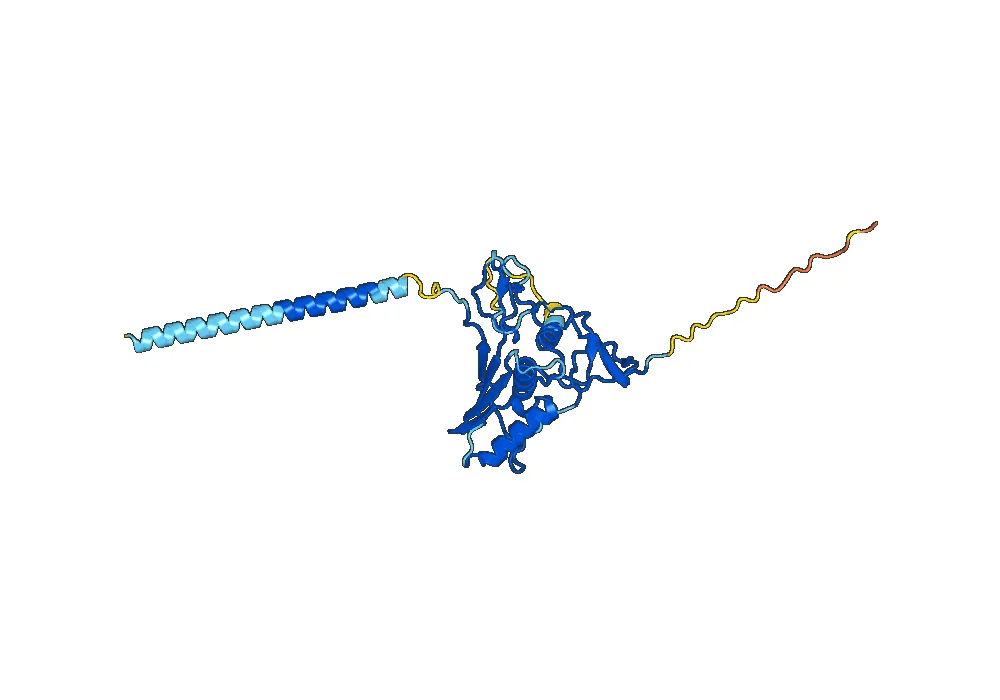
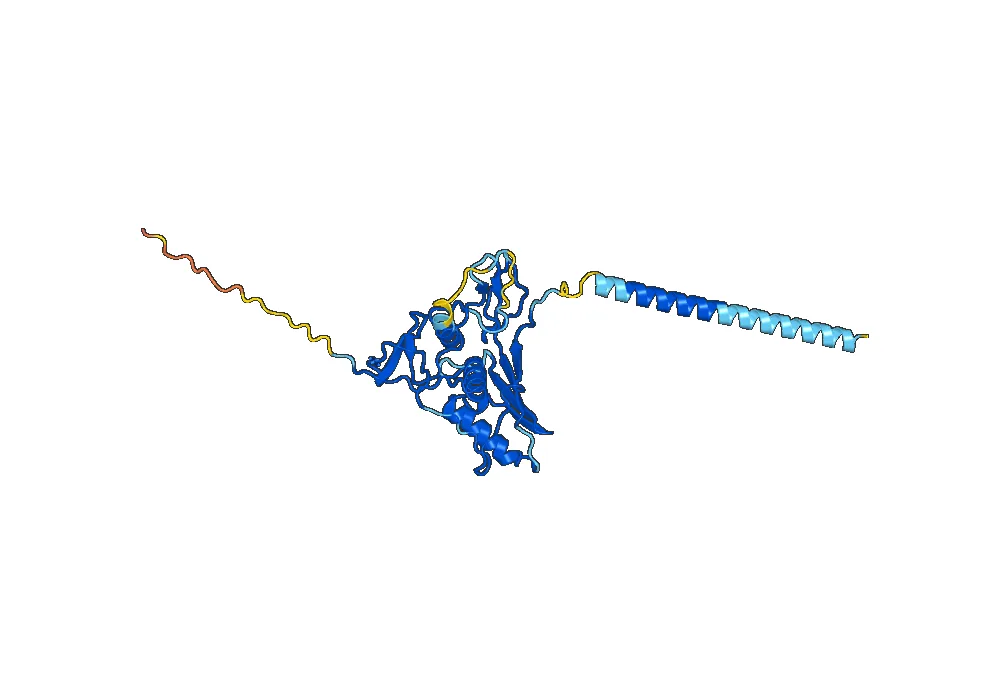
As mentioned earlier, Adecatumumab Biosimilar specifically targets EPCAM, a protein that is overexpressed in many types of cancer, including breast, colon, lung, and pancreatic cancer. EPCAM plays a crucial role in cell adhesion and proliferation, and its overexpression has been linked to tumor growth, invasion, and metastasis.
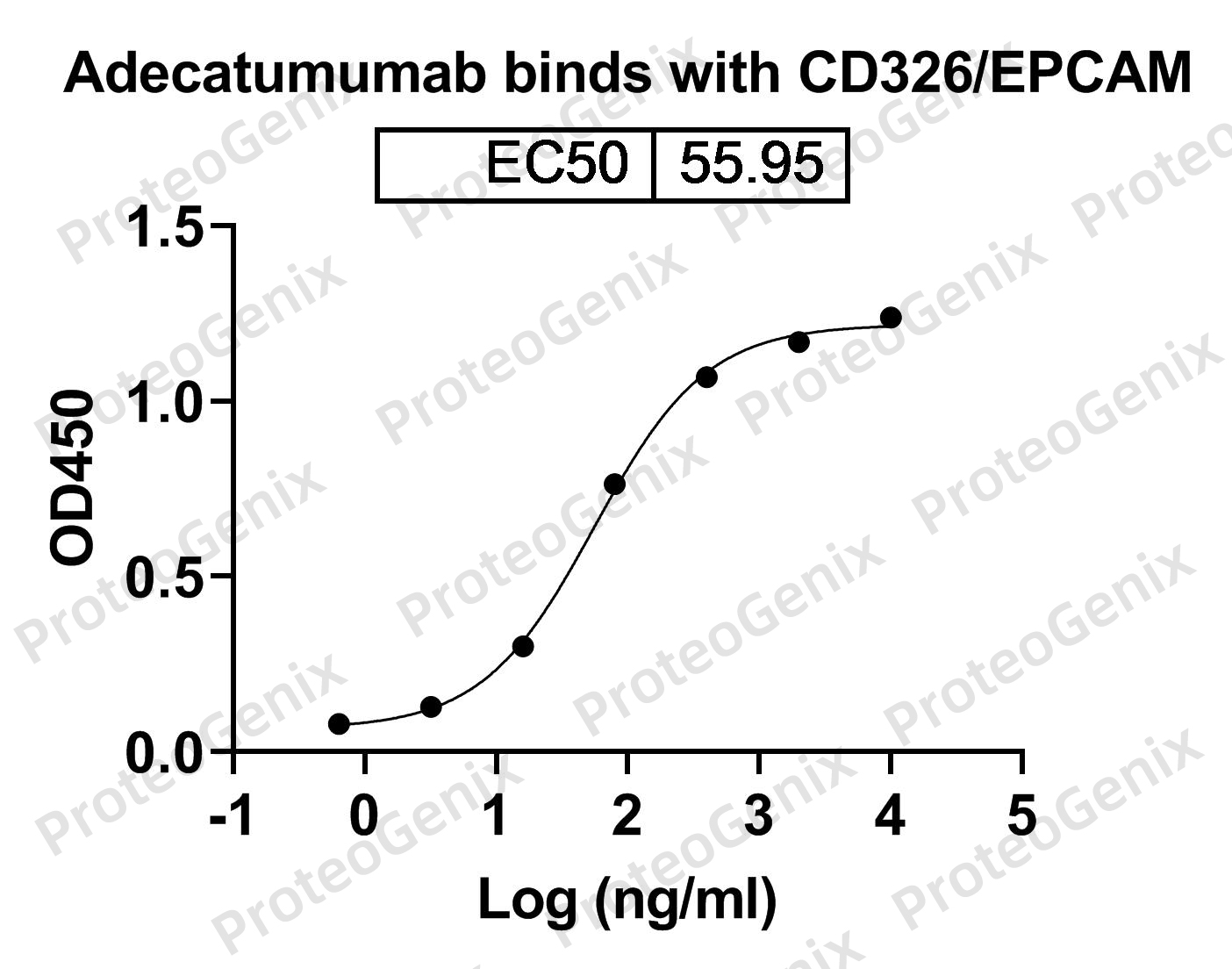
Adecatumumab Biosimilar binds to EPCAM with high affinity and specificity, blocking its function and inhibiting the growth and survival of cancer cells. It also induces antibody-dependent cell-mediated cytotoxicity (ADCC), a mechanism by which immune cells, such as natural killer cells, are activated to kill cancer cells. This makes Adecatumumab Biosimilar a promising therapeutic agent for the treatment of various types of cancer.
Potential Applications of Adecatumumab Biosimilar
Adecatumumab Biosimilar is currently being evaluated in preclinical studies for its potential use in the treatment of various types of cancer. Some of the potential applications of this antibody include:
1. Breast Cancer Breast
cancer is the most common type of cancer in women, and EPCAM is overexpressed in up to 90% of breast cancer cases. Adecatumumab Biosimilar has shown promising results in preclinical studies, inhibiting the growth and survival of breast cancer cells and reducing tumor size. It is also being evaluated in combination with other therapies for the treatment of advanced breast cancer.
2. Colorectal Cancer Colorectal
cancer is the third most common cancer worldwide, and EPCAM is overexpressed in more than 80% of colorectal cancer cases. Adecatumumab Biosimilar has shown efficacy in preclinical studies, inhibiting the growth and metastasis of colorectal cancer cells. It is also being evaluated in combination with chemotherapy for the treatment of advanced colorectal cancer.
3. Lung Cancer Lung
cancer is the leading cause of cancer-related deaths globally, and EPCAM is overexpressed in more than 70% of lung cancer cases. Adecatumumab Biosimilar has shown promising results in preclinical studies, inhibiting the growth and metastasis of lung cancer cells. It is also being evaluated in combination with other therapies for the treatment of advanced lung cancer.
4. Pancreatic Cancer Pancreatic
cancer is one of the most aggressive and deadly types of cancer, with a 5-year survival rate of less than 10%. EPCAM is overexpressed in more than 90% of pancreatic cancer cases, making
There are no reviews yet.