Introduction
Afelimomab Biosimilar, also known as Anti-TNFSF2, TNF-alpha, TNFA mAb – Research Grade, is a monoclonal antibody that targets TNFSF2, also known as tumor necrosis factor-alpha (TNF-α). This biosimilar is a highly specific and potent therapeutic agent that has been developed for the treatment of inflammatory diseases and autoimmune disorders. In this article, we will discuss the structure, activity, and potential applications of Afelimomab Biosimilar.
Structure
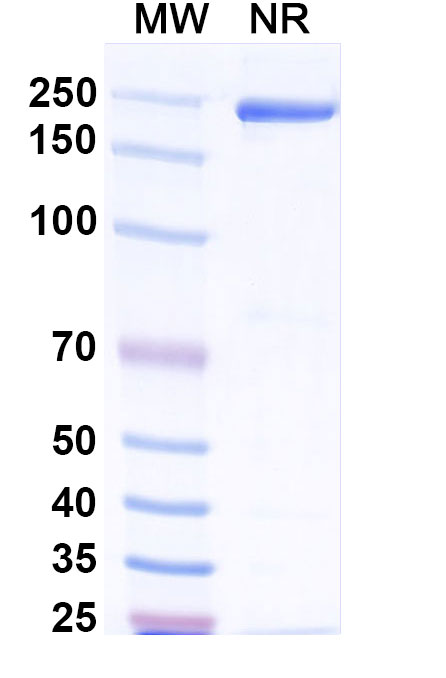
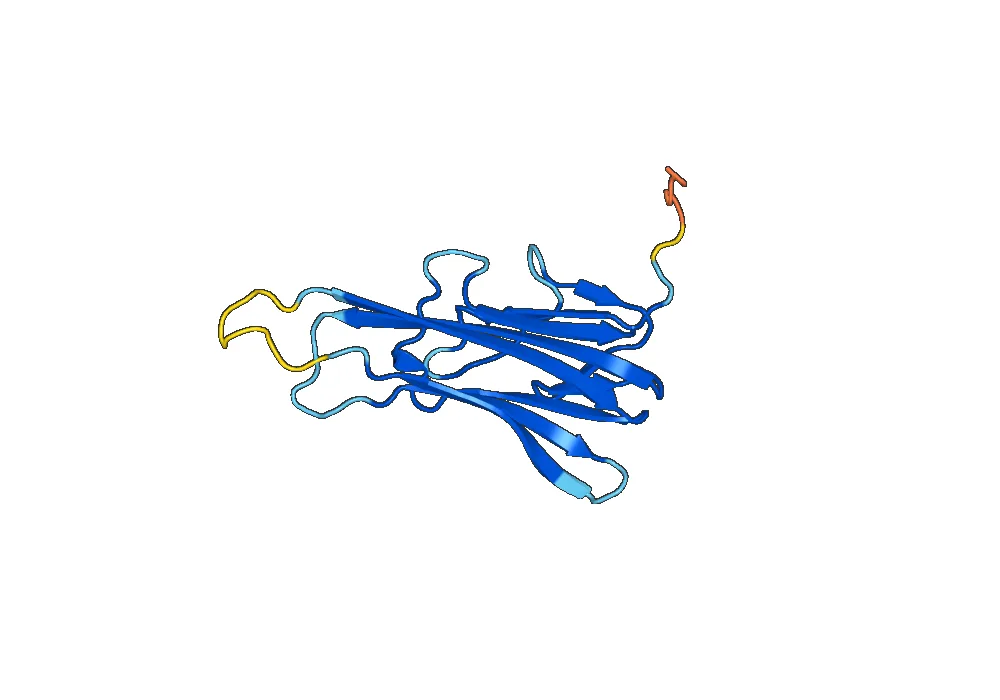
Afelimomab Biosimilar is a recombinant humanized monoclonal antibody that is produced in a mammalian cell expression system. It is composed of two identical heavy chains and two identical light chains, each containing a variable and constant region. The variable region of the antibody is responsible for binding to TNF-α, while the constant region determines the effector functions of the antibody.
Activity
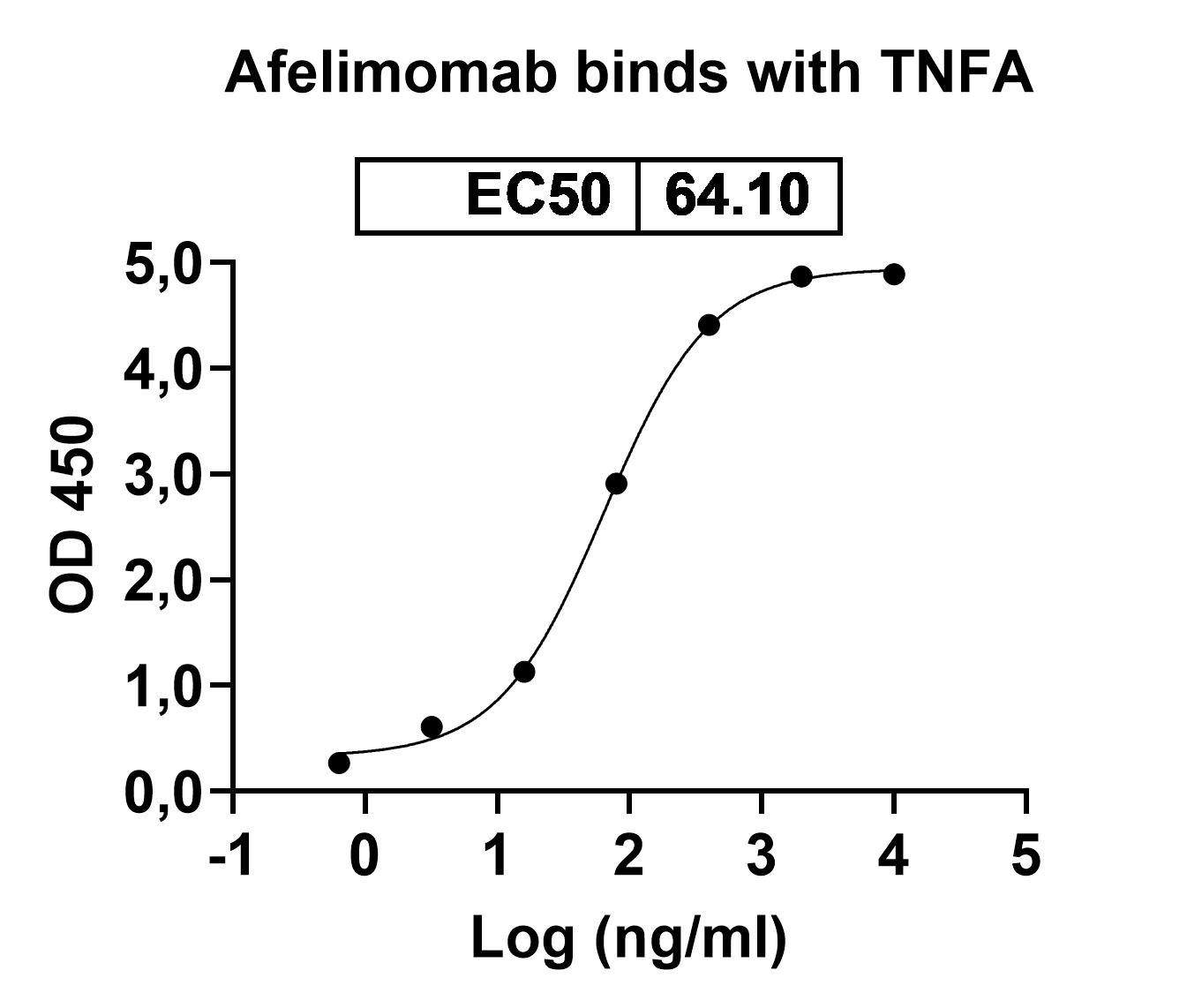
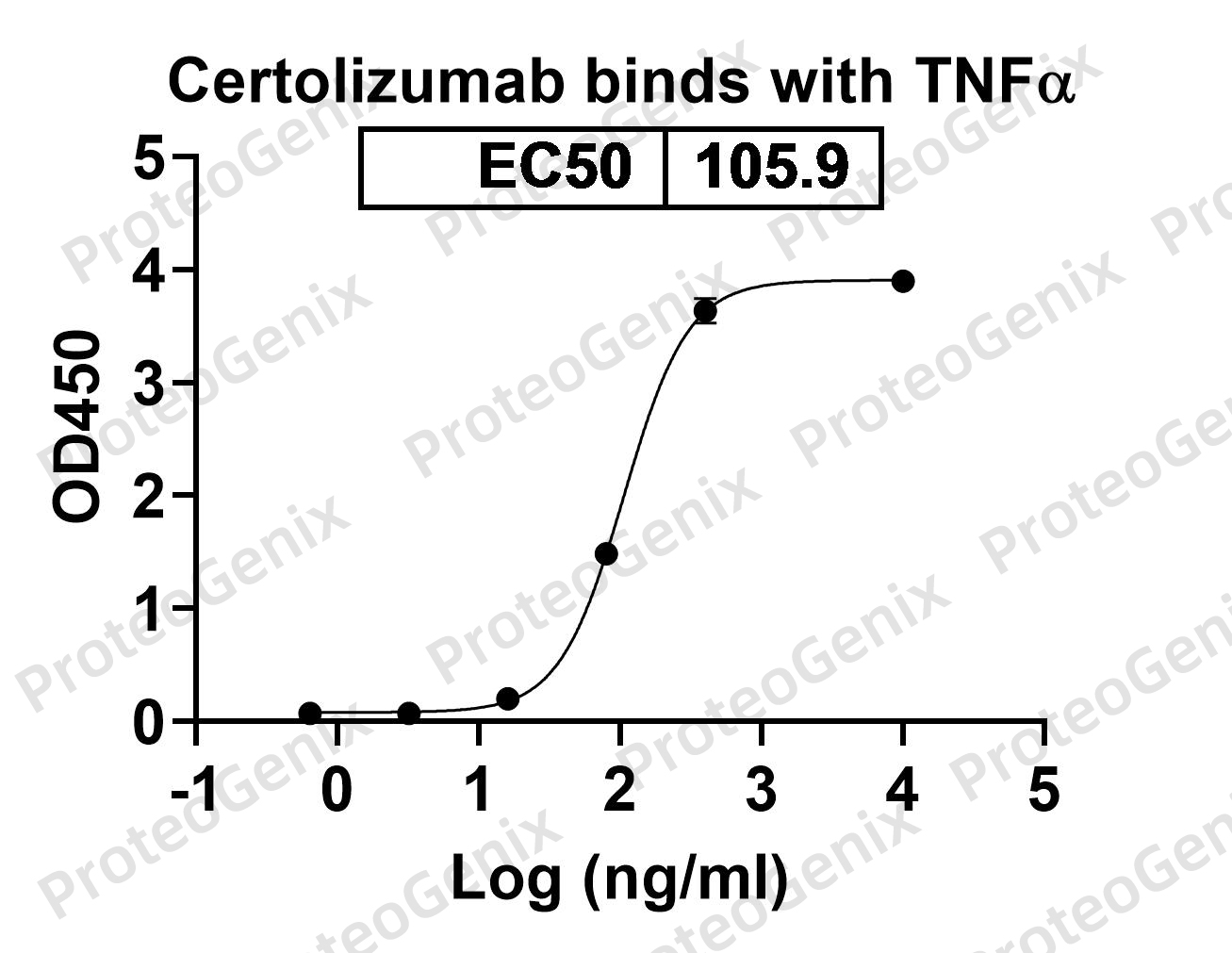
TNF-α is a pro-inflammatory cytokine that plays a crucial role in the pathogenesis of various inflammatory diseases and autoimmune disorders. It is produced by activated immune cells and can cause tissue damage and inflammation. Afelimomab Biosimilar binds to TNF-α with high affinity, preventing it from binding to its receptors and exerting its inflammatory effects. This leads to a decrease in inflammation and tissue damage, providing relief to patients with inflammatory diseases.
Therapeutic Target
The therapeutic target of Afelimomab Biosimilar is TNF-α, a cytokine that is involved in the regulation of immune responses and inflammation. TNF-α is known to play a critical role in the pathogenesis of various diseases, including rheumatoid arthritis, psoriasis, Crohn’s disease, and ulcerative colitis. By targeting TNF-α, Afelimomab Biosimilar offers a promising treatment option for these diseases.
Potential Applications
Afelimomab Biosimilar has the potential to be used in the treatment of various inflammatory diseases and autoimmune disorders. It has been shown to be effective in clinical trials for rheumatoid arthritis, psoriasis, and Crohn’s disease. In addition, this biosimilar has also been investigated for its potential in treating other conditions such as ankylosing spondylitis, ulcerative colitis, and psoriatic arthritis.
Rheumatoid Arthritis
Rheumatoid arthritis (RA) is a chronic autoimmune disease that causes inflammation and destruction of joints. TNF-α is known to play a key role in the pathogenesis of RA, and Afelimomab Biosimilar has been shown to effectively reduce disease activity and improve symptoms in patients with RA. It is administered as an intravenous infusion and has been well-tolerated in clinical trials.
Psoriasis
Psoriasis is a chronic inflammatory skin disorder that is characterized by red, scaly patches on the skin. TNF-α is believed to play a significant role in the development of psoriasis, and Afelimomab Biosimilar has shown promising results in clinical trials for this condition. It has been shown to improve symptoms and quality of life in patients with moderate to severe psoriasis.
Crohn’s Disease
Crohn’s disease is a chronic inflammatory bowel disorder that affects the digestive tract. TNF-α is known to play a critical role in the pathogenesis of Crohn’s disease, and Afelimomab Biosimilar has been shown to be an effective treatment option. It has been shown to induce and maintain remission in patients with moderate to severe Crohn’s disease.
Conclusion
In conclusion, Afelimomab Biosimilar, also known as Anti-TNFSF2, TNF-alpha, TNFA mAb – Research Grade, is a highly specific and potent therapeutic agent that targets TNF-α. It has shown promising results in clinical trials for the treatment of various inflammatory diseases and autoimmune disorders. With its potential to improve the lives of patients suffering from these conditions, Afelimomab Biosimilar is a promising addition to the arsenal of treatments available for these diseases.




There are no reviews yet.