Albiglutide Biosimilar – Anti-GLP-1 receptor fusion protein – Research Grade Introduction
Albiglutide Biosimilar is a novel anti-GLP-1 receptor fusion protein that has been developed for research purposes. GLP-1 (glucagon-like peptide-1) is a hormone that plays a crucial role in regulating blood sugar levels and has been identified as a therapeutic target for the treatment of type 2 diabetes. Albiglutide Biosimilar is a biosimilar version of the FDA-approved drug, albiglutide, which is used as a treatment for type 2 diabetes. In this article, we will discuss the structure, activity, and potential applications of Albiglutide Biosimilar in research.
Structure of Albiglutide Biosimilar
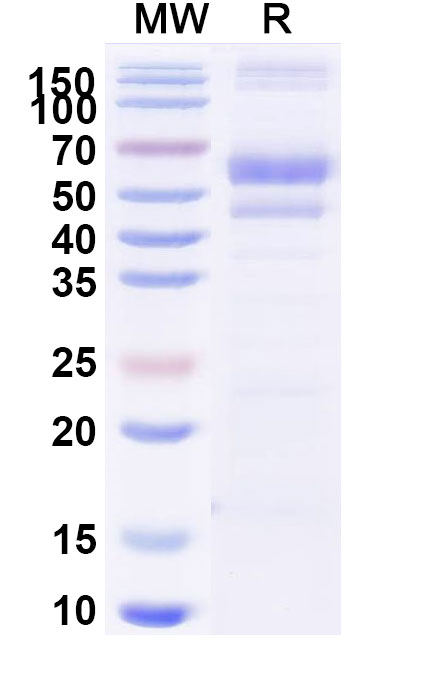
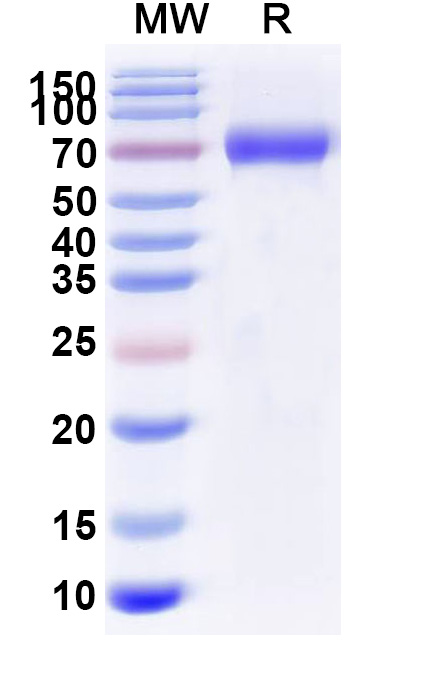
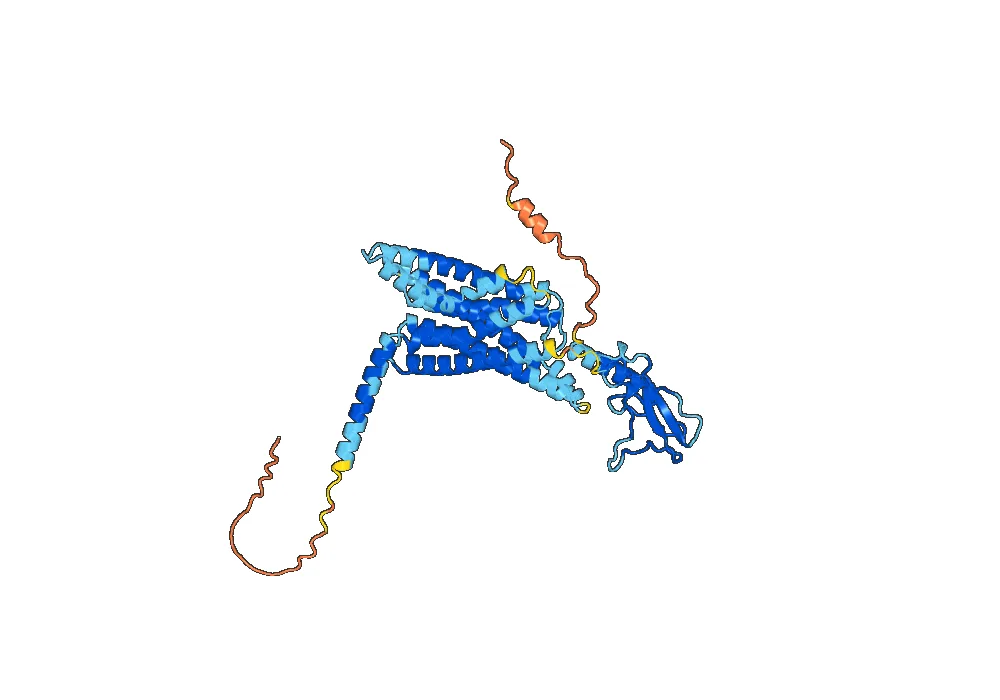
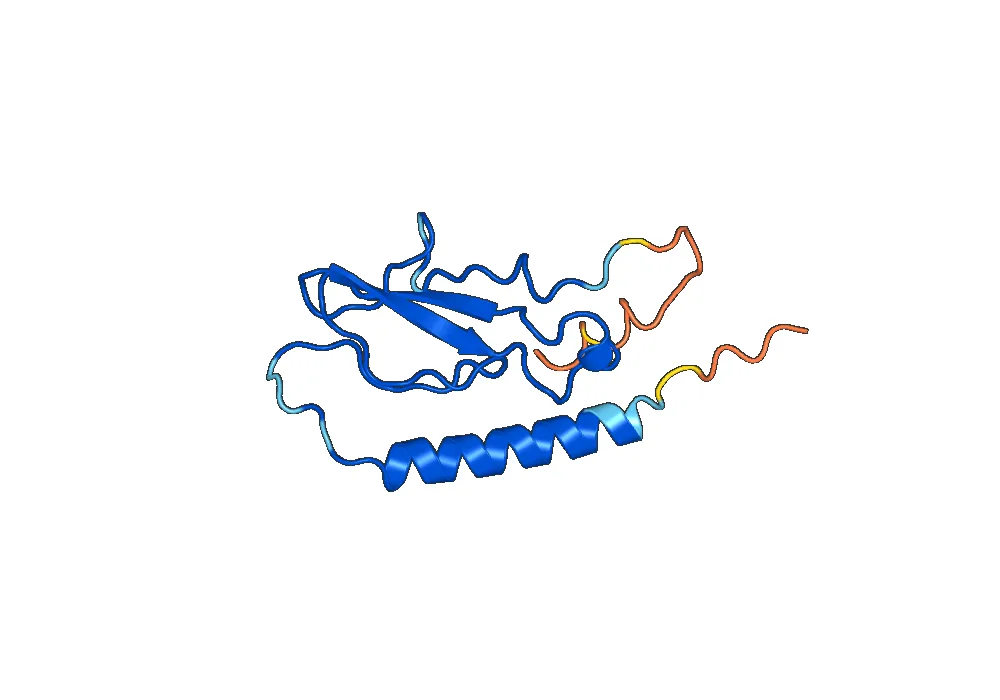
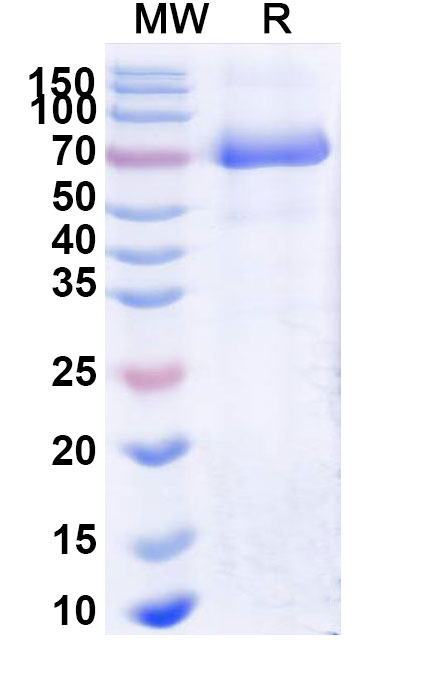
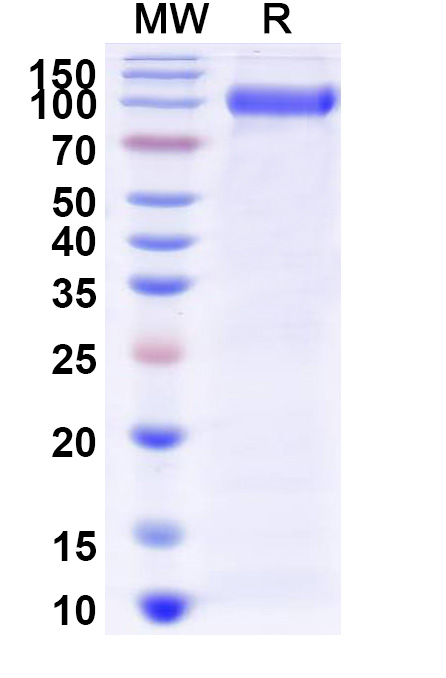
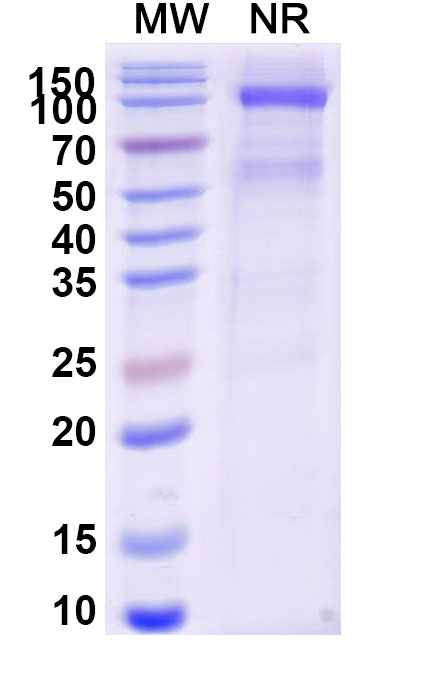
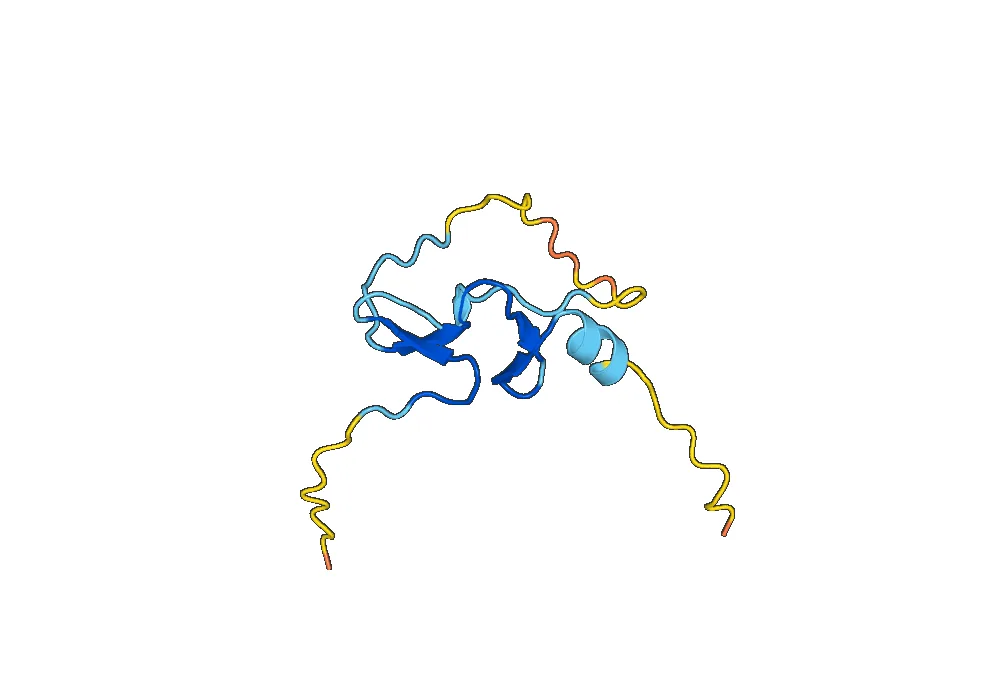
Albiglutide Biosimilar is a fusion protein that consists of two components – an anti-GLP-1 receptor antibody and a GLP-1 peptide. The antibody component is a monoclonal antibody that specifically binds to the GLP-1 receptor, while the GLP-1 peptide is a synthetic version of the natural GLP-1 hormone. These two components are linked together to form a single molecule, which allows for targeted delivery of the GLP-1 peptide to the GLP-1 receptor.
Activity of Albiglutide Biosimilar
The activity of Albiglutide Biosimilar is based on its ability to bind to the GLP-1 receptor and activate it. The GLP-1 receptor is primarily found on pancreatic beta cells, which are responsible for producing insulin. When Albiglutide Biosimilar binds to the GLP-1 receptor, it triggers a series of signaling events that lead to the release of insulin from the beta cells. This results in a decrease in blood sugar levels, making it an effective treatment for type 2 diabetes.
In addition to its effects on blood sugar levels, Albiglutide Biosimilar also has other beneficial effects on the body. It has been shown to slow down the emptying of the stomach, which can help with weight loss. It also promotes the production of GLP-1, which has been linked to improved cardiovascular health and neuroprotection.
Potential Applications of Albiglutide Biosimilar
Albiglutide Biosimilar has potential applications in various areas of research, including diabetes, obesity, and cardiovascular diseases. In diabetes research, it can be used to study the mechanisms of GLP-1 receptor activation and its effects on insulin secretion and blood sugar levels. It can also be used to investigate the potential of GLP-1 receptor agonists as a treatment for type 2 diabetes.
In obesity research, Albiglutide Biosimilar can be used to study its effects on weight loss and appetite regulation. It can also be used to investigate the role of GLP-1 in the development of obesity and potential therapeutic strategies to target the GLP-1 pathway.
Furthermore, in cardiovascular research, Albiglutide Biosimilar can be used to study the effects of GLP-1 on heart health and its potential as a treatment for cardiovascular diseases such as heart failure and atherosclerosis.
Conclusion
In conclusion, Albiglutide Biosimilar is a novel anti-GLP-1 receptor fusion protein that has potential applications in various areas of research. Its unique structure and activity make it a valuable tool for studying the GLP-1 pathway and its potential as a therapeutic target for various diseases. As research on Albiglutide Biosimilar continues, it may lead to the development of new treatments for diabetes, obesity, and cardiovascular diseases.


There are no reviews yet.