Title: Introduction to Anti-Human CD103/ITGAE Antibody (LF61)
Anti-Human CD103/ITGAE Antibody (LF61) is a monoclonal antibody that specifically targets the CD103 protein, also known as integrin alpha E (ITGAE). This antibody has been extensively studied and shown to have a high affinity and specificity for CD103, making it a valuable tool in various research applications. In this article, we will discuss the structure, activity, and applications of Anti-Human CD103/ITGAE Antibody (LF61).
Structure of Anti-Human CD103/ITGAE Antibody (LF61)
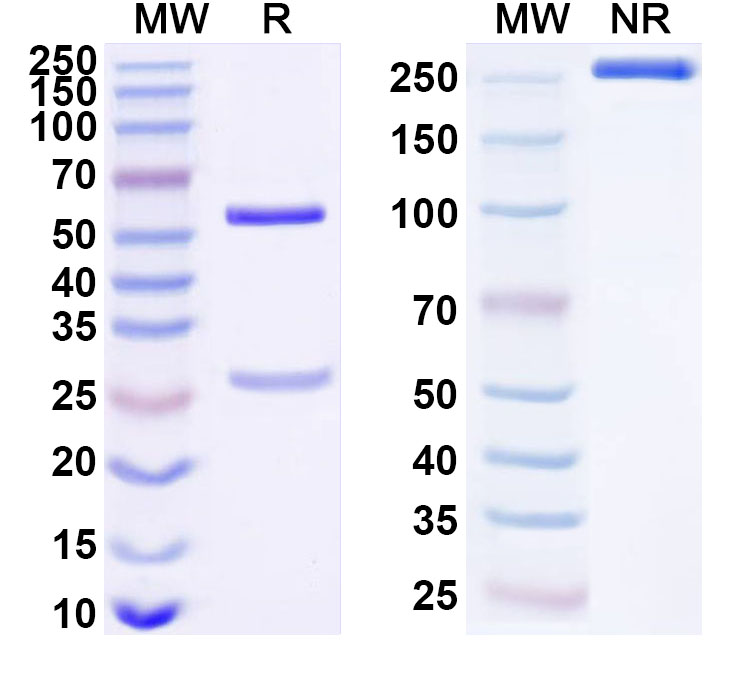
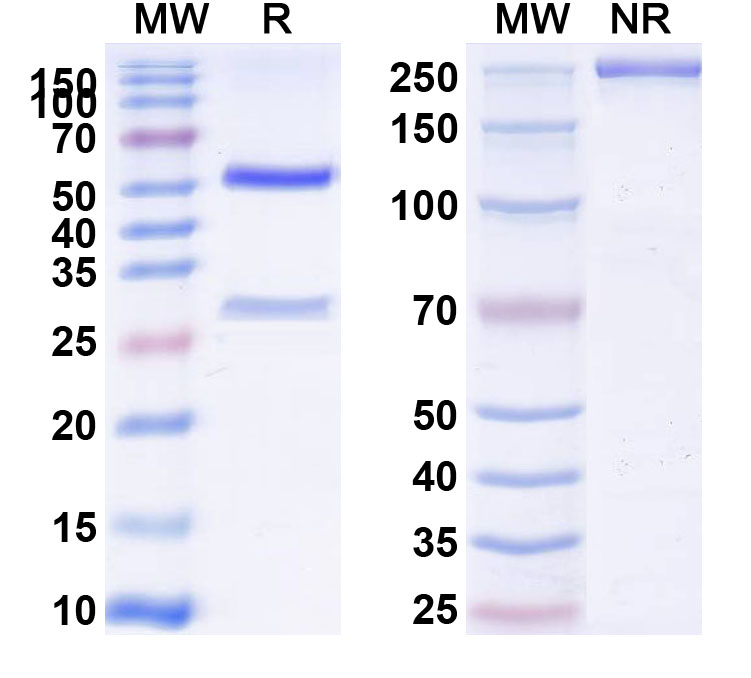
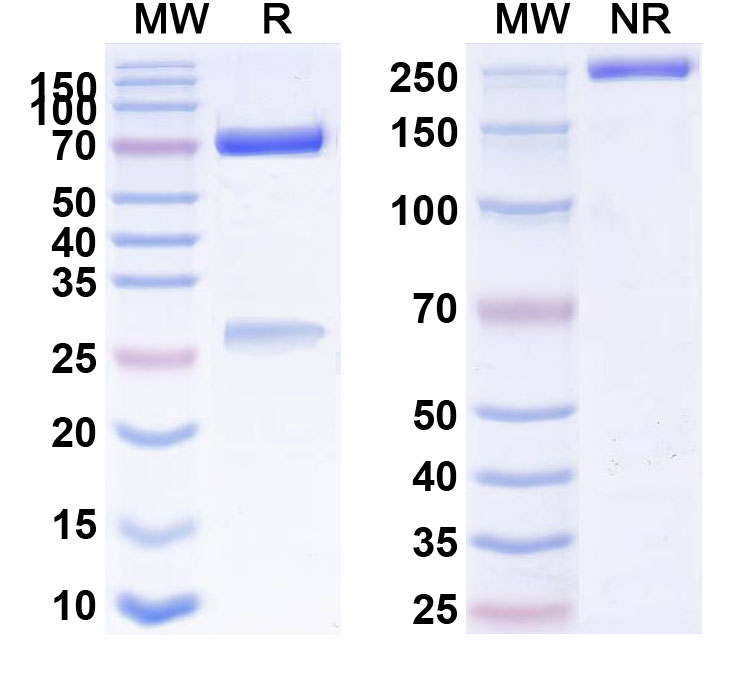
Anti-Human CD103/ITGAE Antibody (LF61) is a monoclonal antibody that is derived from a single clone of B cells. It is composed of two heavy chains and two light chains, which are connected by disulfide bonds. The antibody has a molecular weight of approximately 150 kDa and belongs to the IgG1 subclass. The variable regions of the antibody are responsible for its specificity and binding to the CD103 protein.
Activity of Anti-Human CD103/ITGAE Antibody (LF61)
The primary function of CD103 is to act as an adhesion molecule in the immune system. It is expressed on the surface of certain immune cells, such as T cells, dendritic cells, and regulatory T cells. CD103 plays a crucial role in the migration and retention of immune cells in tissues, particularly in the gut and skin.
Anti-Human CD103/ITGAE Antibody (LF61) specifically binds to the extracellular domain of CD103, inhibiting its function as an adhesion molecule. This prevents the interaction of CD103 with its ligand, E-cadherin, and disrupts the adhesion of immune cells to tissues. This activity of Anti-Human CD103/ITGAE Antibody (LF61) has been extensively studied and has shown to be effective in various in vitro and in vivo experiments.
Applications of Anti-Human CD103/ITGAE Antibody (LF61)
Anti-Human CD103/ITGAE Antibody (LF61) has a wide range of applications in research. Its ability to specifically target CD103 makes it a valuable tool in studying the role of this protein in various immune processes. Some of the key applications of Anti-Human CD103/ITGAE Antibody (LF61) are discussed below.
1. Immunohistochemistry (IHC)
IHC is a commonly used technique in which antibodies are used to detect specific proteins in tissue sections. Anti-Human CD103/ITGAE Antibody (LF61) is commonly used in IHC studies to detect the expression and distribution of CD103 in tissues. It has been used to study the expression of CD103 in various diseases, such as inflammatory bowel disease and skin cancer.
2. Flow cytometry
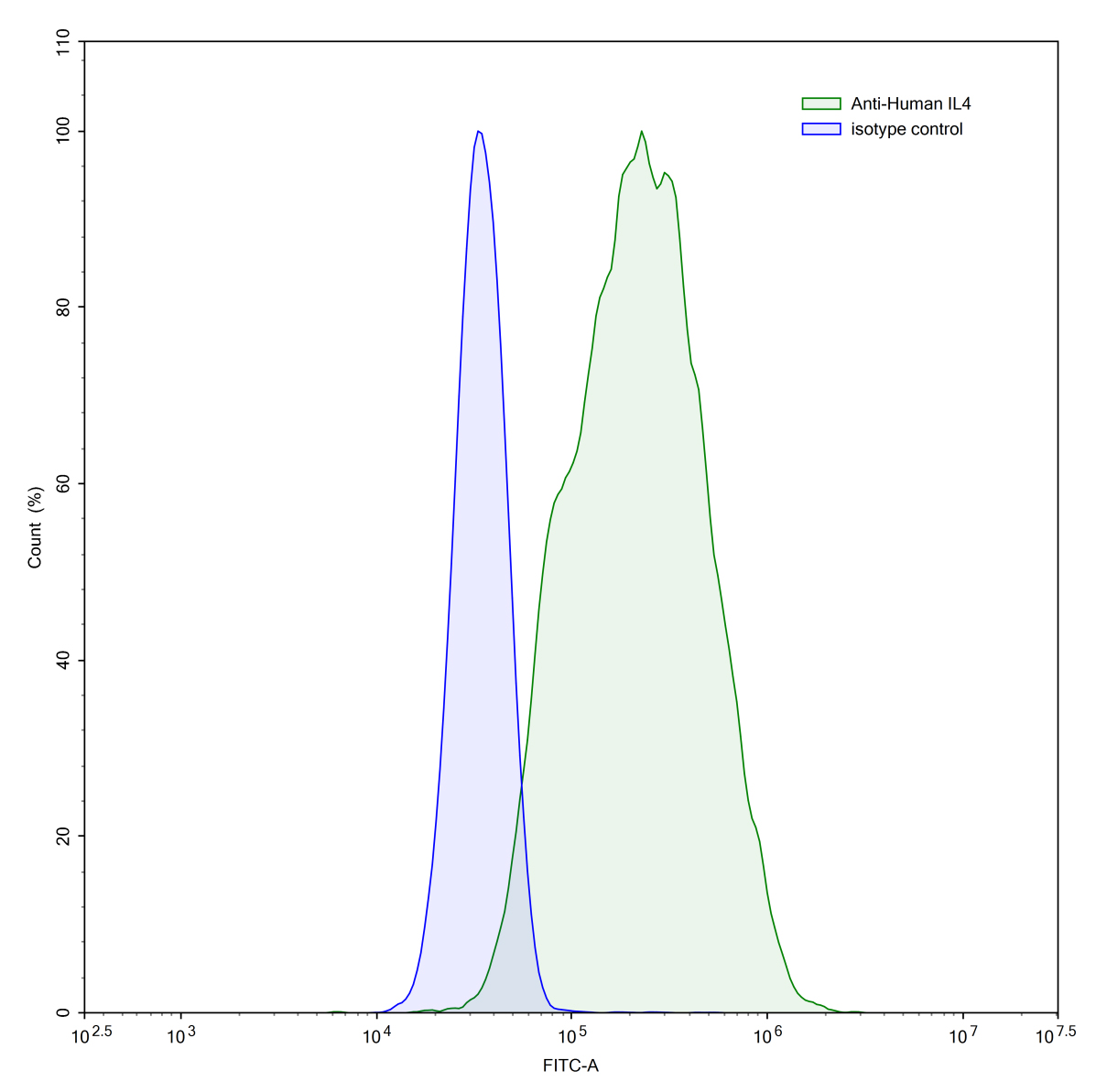
Flow cytometry is a powerful technique that is used to analyze and quantify cells based on their physical and chemical properties. Anti-Human CD103/ITGAE Antibody (LF61) is commonly used in flow cytometry experiments to identify and isolate cells that express CD103. This allows researchers to study the function and behavior of these cells in different conditions.
3. In vitro functional studies
Anti-Human CD103/ITGAE Antibody (LF61) has been used in various in vitro functional studies to investigate the role of CD103 in immune processes. It has been shown to inhibit the adhesion of immune cells to tissues, which has implications in various immune responses, such as inflammation and tissue repair.
4. In vivo studies
Anti-Human CD103/ITGAE Antibody (LF61) has also been used in animal studies to investigate the role of CD103 in vivo. It has been shown to be effective in blocking the migration of immune cells to tissues, which has implications in various diseases, such as autoimmune disorders and cancer.
Conclusion
In summary, Anti-Human CD103/ITGAE Antibody (LF61) is a valuable tool in studying the role of CD103 in various immune processes



There are no reviews yet.