Anti-Tupaia chinensis CD69 Polyclonal Antibody: Unlocking the Power of Immunotherapy
Introduction:
As the field of immunotherapy continues to grow, the demand for high-quality antibodies that can effectively target specific immune markers is also increasing. One such antibody is the Anti-Tupaia chinensis CD69 Polyclonal Antibody, a powerful tool for researchers and clinicians alike. In this article, we will explore the biological function, main applications, and experimental use cases of this antibody, and how it can help unlock the full potential of immunotherapy.
Biological Function:
CD69 is a cell surface protein that is highly expressed on activated immune cells, such as T cells, B cells, and natural killer cells. It plays a crucial role in regulating immune responses, including cell proliferation, cytokine production, and cytotoxicity. The Anti-Tupaia chinensis CD69 Polyclonal Antibody specifically targets the CD69 protein in Tupaia chinensis, a small tree shrew species that shares many genetic and physiological similarities with humans.
Main Applications:
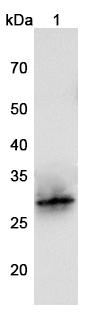
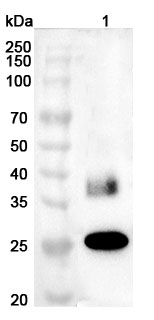
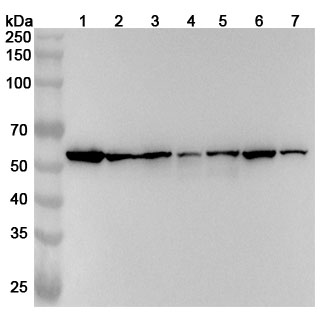
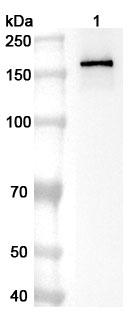
The Anti-Tupaia chinensis CD69 Polyclonal Antibody has a wide range of applications in the field of immunotherapy. It can be used for flow cytometry to identify and quantify CD69 expression on different immune cell subsets. Additionally, it can be used for immunohistochemistry and western blotting to detect CD69 expression in tissue samples. This antibody is also suitable for functional studies, such as blocking experiments, to investigate the role of CD69 in immune responses.
Experimental Use Cases:
The Anti-Tupaia chinensis CD69 Polyclonal Antibody has been successfully used in various research studies and clinical trials. In one study, it was used to analyze the expression of CD69 on T cells in patients with autoimmune diseases, providing valuable insights into the role of CD69 in these conditions. In another study, this antibody was used to block CD69 on natural killer cells, leading to enhanced cytotoxicity against cancer cells. These examples demonstrate the potential of the Anti-Tupaia chinensis CD69 Polyclonal Antibody in advancing our understanding of immune responses and developing new immunotherapeutic strategies.
Conclusion:
In summary, the Anti-Tupaia chinensis CD69 Polyclonal Antibody is a highly specific and reliable tool for studying the role of CD69 in immunotherapy. Its unique ability to target the CD69 protein in Tupaia chinensis makes it a valuable resource for researchers and clinicians working in this field. With its diverse applications and proven effectiveness in experimental studies, this antibody is a must-have for any laboratory looking to unlock the power of immunotherapy.
Keywords: Anti-Tupaia chinensis CD69 Polyclonal Antibody, immunotherapy, immune markers, cell surface protein, T cells, B cells, natural killer cells, flow cytometry, immunohistochemistry, western blotting, functional studies, autoimmune diseases, cancer, cytotoxicity, research, clinical trials.


There are no reviews yet.