Introduction to Bedinvetmab Biosimilar – Anti-NGF, NGFB mAb
Bedinvetmab Biosimilar is a novel therapeutic antibody that targets the nerve growth factor (NGF) and its precursor, NGFB. This research grade medication has shown promising results in pre-clinical studies and is currently being evaluated for its potential in treating various diseases and conditions. In this article, we will delve into the structure, activity, and application of Bedinvetmab Biosimilar, shedding light on its potential as a therapeutic agent.
Structure of Bedinvetmab Biosimilar
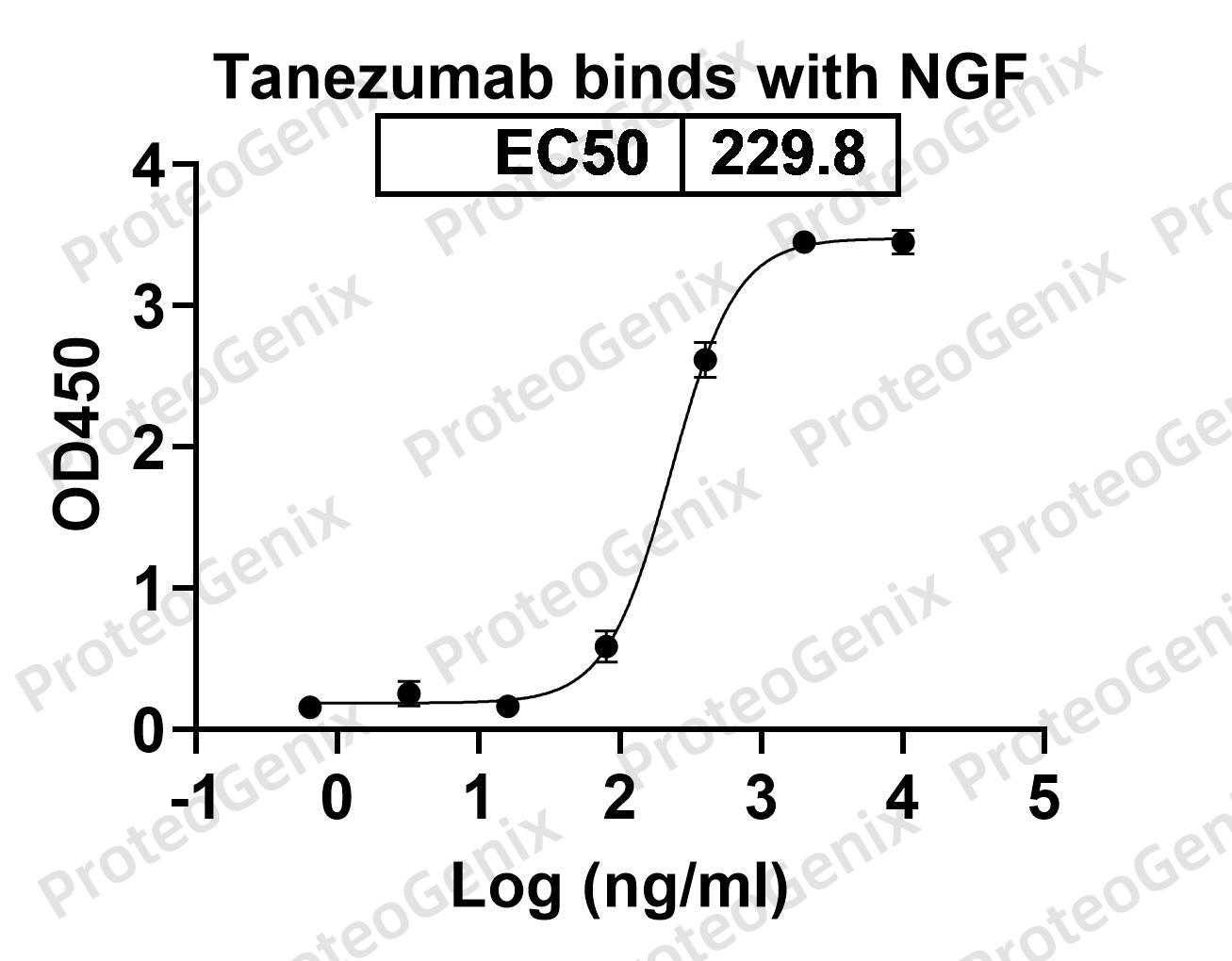
Bedinvetmab Biosimilar is a monoclonal antibody (mAb) that specifically binds to NGF and NGFB. It is a biosimilar version of the commercially available anti-NGF antibody, Tanezumab. The antibody is produced through recombinant DNA technology, where the gene for the antibody is inserted into a host cell, such as Chinese hamster ovary cells, to produce large quantities of the antibody.
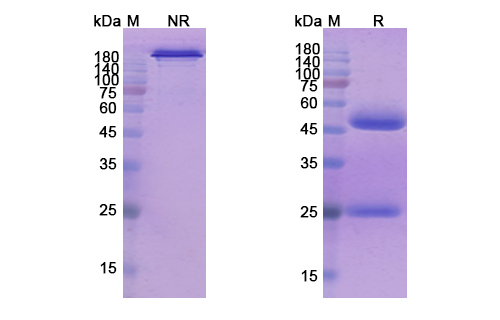
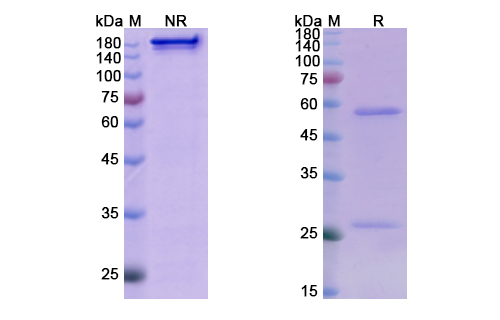
The antibody has a molecular weight of approximately 150 kDa and is composed of two heavy chains and two light chains. Each chain contains variable and constant regions, with the variable regions responsible for binding to NGF and NGFB. The constant regions determine the antibody’s effector functions, such as antibody-dependent cellular cytotoxicity and complement activation.
Activity of Bedinvetmab Biosimilar
The main activity of Bedinvetmab Biosimilar is to neutralize the activity of NGF and NGFB. NGF is a neurotrophic factor that plays a crucial role in the development, maintenance, and survival of sensory and sympathetic neurons. It also has pro-inflammatory effects, contributing to the development of chronic pain and inflammation.
NGFB, on the other hand, is the precursor of NGF and is involved in the regulation of neuronal differentiation and survival. It also has pro-inflammatory effects, similar to NGF. By binding to both NGF and NGFB, Bedinvetmab Biosimilar prevents their interaction with their respective receptors, thus inhibiting their activity.
Title: Potential Applications of Bedinvetmab Biosimilar
Bedinvetmab Biosimilar has shown potential in treating various diseases and conditions that involve NGF and NGFB, such as chronic pain, osteoarthritis, and autoimmune disorders. In pre-clinical studies, the antibody has been shown to reduce pain and inflammation in animal models of osteoarthritis and rheumatoid arthritis. It has also shown efficacy in reducing neuropathic pain and improving motor function in animal models of spinal cord injury.
In addition to its potential in treating pain and inflammation, Bedinvetmab Biosimilar has also shown promise in treating autoimmune disorders such as multiple sclerosis and psoriasis. NGF has been implicated in the pathogenesis of these diseases, and by targeting it, Bedinvetmab Biosimilar may help alleviate symptoms and improve disease outcomes.
Conclusion
In conclusion, Bedinvetmab Biosimilar is a promising therapeutic antibody that targets NGF and NGFB. Its unique structure and mechanism of action make it a potential treatment option for various diseases and conditions involving these neurotrophic factors. With further research and clinical trials, Bedinvetmab Biosimilar may prove to be a valuable addition to the arsenal of medications used to treat pain, inflammation, and autoimmune disorders.

There are no reviews yet.