Cinpanemab Biosimilar: A Promising Anti-SNCA mAb for Therapeutic Targeting Introduction
Cinpanemab Biosimilar, also known as Anti-SNCA mAb, is a promising antibody with potential therapeutic applications in various neurological disorders. It is a research-grade biosimilar of the well-known antibody, Cinpanemab, which is currently in clinical trials for the treatment of Parkinson’s disease. In this article, we will discuss the structure, activity, and potential applications of Cinpanemab Biosimilar as an anti-SNCA mAb.
Structure of Cinpanemab Biosimilar
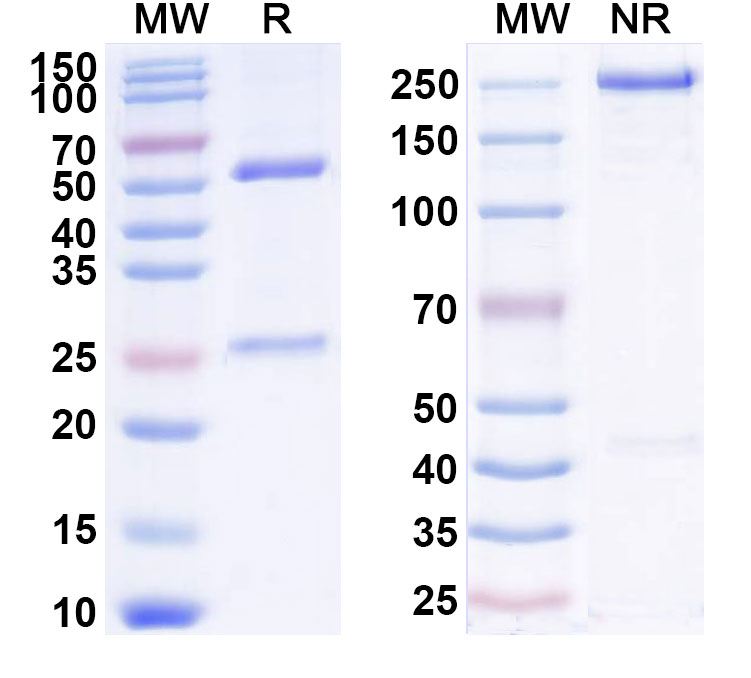
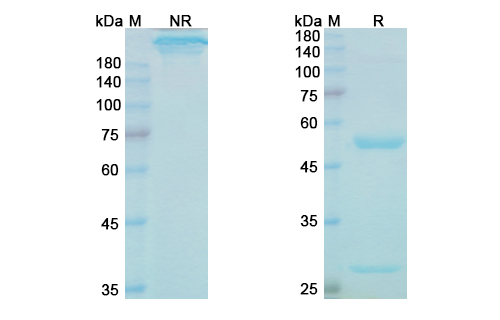
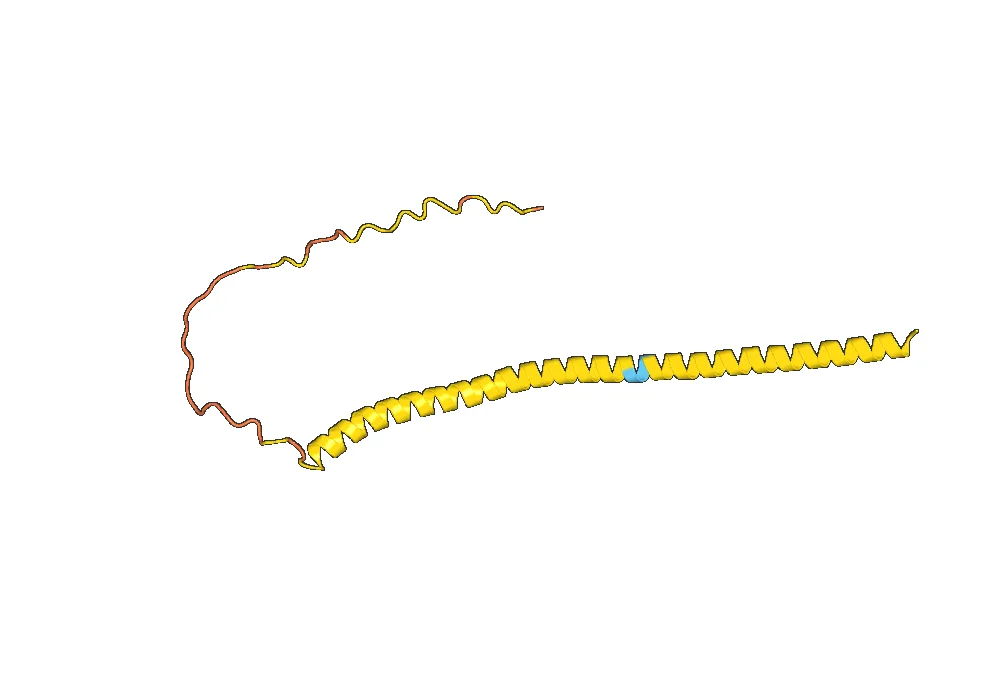
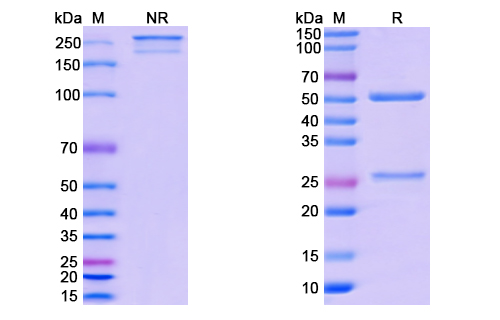
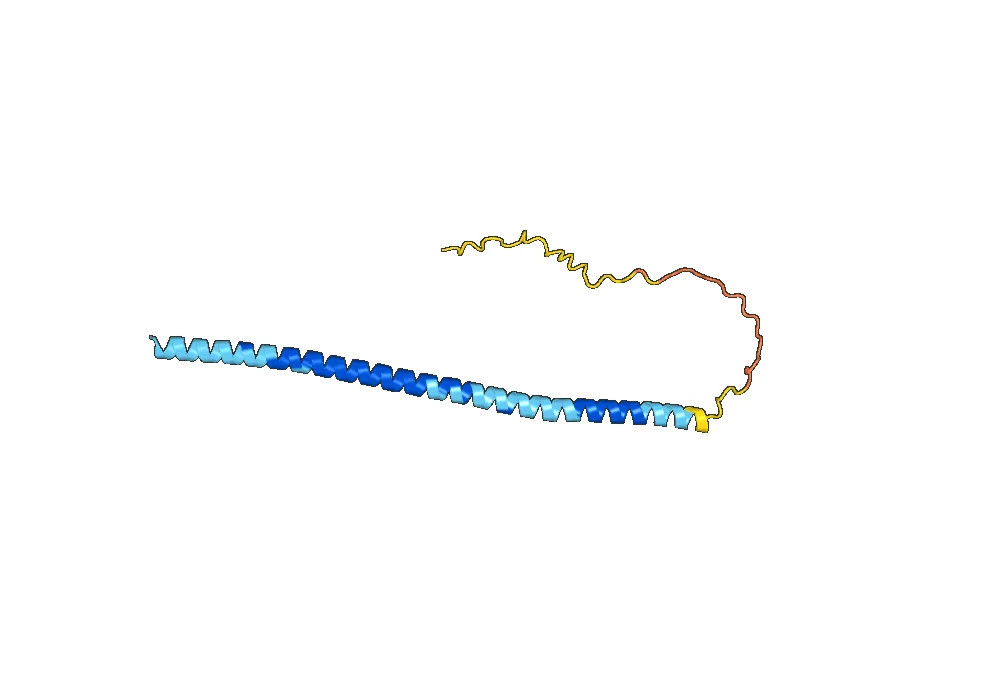
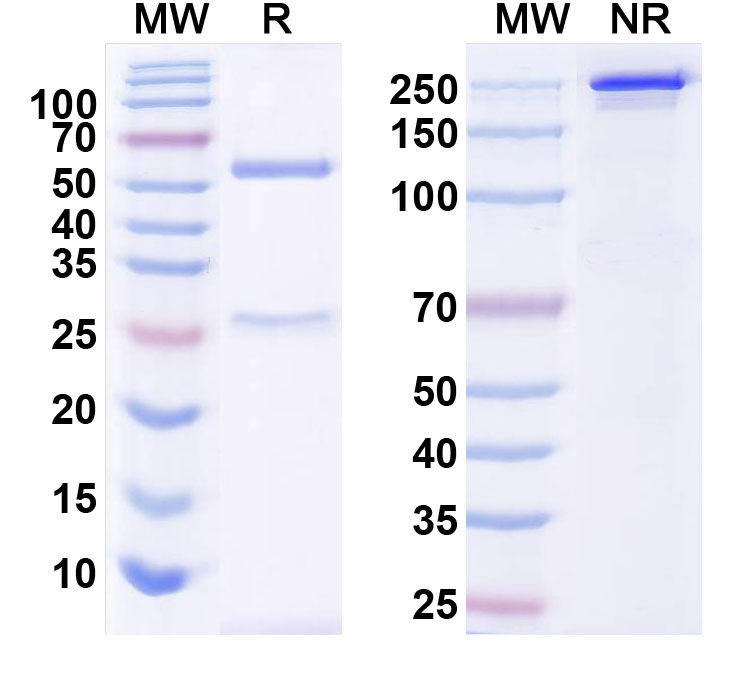
Cinpanemab Biosimilar is a monoclonal antibody (mAb) that specifically targets the alpha-synuclein (SNCA) protein. It is a recombinant antibody, produced using advanced biotechnology techniques, and has a similar structure to the original Cinpanemab antibody. The antibody consists of two heavy chains and two light chains, connected by disulfide bonds. The variable regions of the antibody, which are responsible for binding to SNCA, are located at the tips of the arms of the Y-shaped structure.
Mechanism of Action
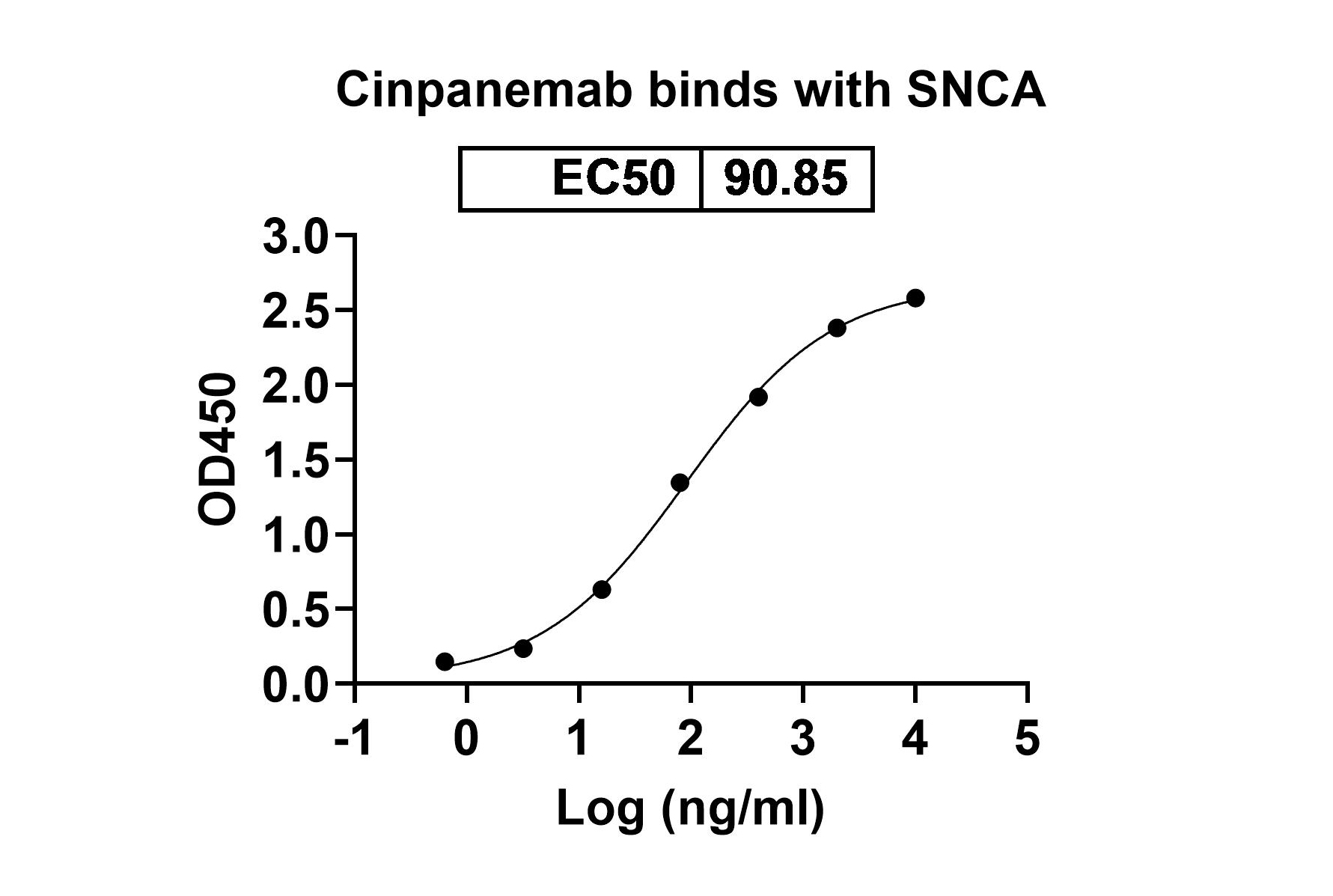
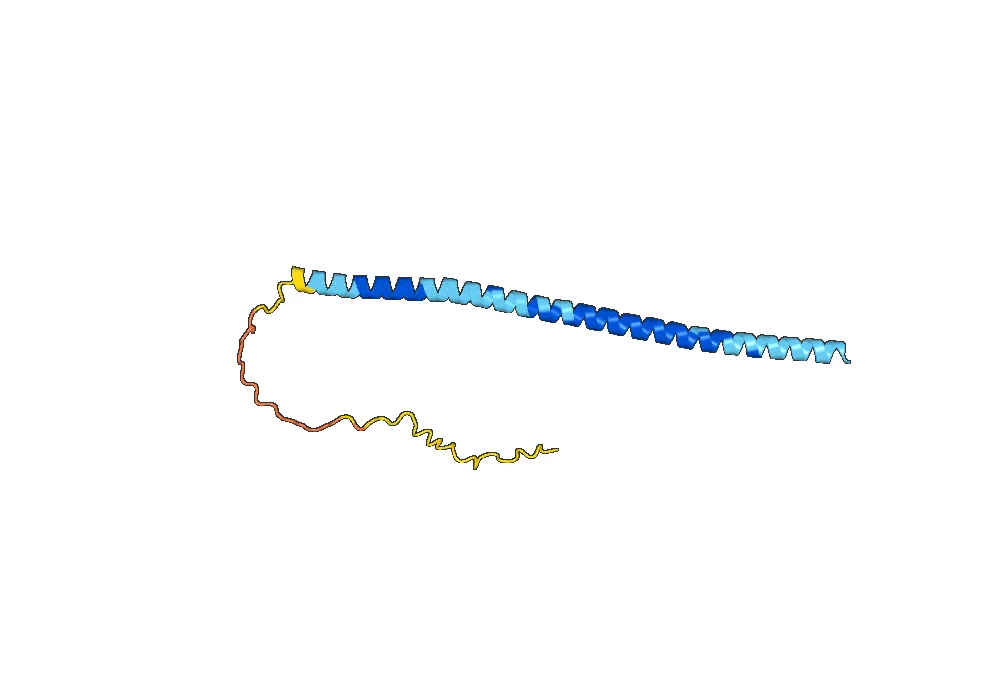
The main mechanism of action of Cinpanemab Biosimilar is the binding and neutralization of SNCA. SNCA is a protein that plays a crucial role in the pathogenesis of Parkinson’s disease and other neurodegenerative disorders. It forms toxic aggregates and fibrils in the brain, leading to neuronal dysfunction and death. By binding to SNCA, Cinpanemab Biosimilar prevents its aggregation and promotes its clearance, thereby reducing its toxic effects on neurons.
Applications of Cinpanemab Biosimilar
Cinpanemab Biosimilar has potential applications in the treatment of various neurological disorders, especially those associated with SNCA pathology. It is currently being studied for the treatment of Parkinson’s disease, but it may also have therapeutic benefits in other diseases, such as dementia with Lewy bodies and multiple system atrophy.
Parkinson’s Disease
Parkinson’s disease is a neurodegenerative disorder characterized by the loss of dopamine-producing neurons in the brain. It is associated with the accumulation of SNCA, which leads to the formation of Lewy bodies, a hallmark of the disease. Cinpanemab Biosimilar has shown promising results in preclinical studies, reducing SNCA levels and improving motor symptoms in animal models of Parkinson’s disease. Clinical trials are currently underway to evaluate its safety and efficacy in humans.
Dementia with Lewy Bodies
Dementia with Lewy bodies (DLB) is a type of dementia that shares similar pathological features with Parkinson’s disease, including SNCA aggregation. Studies have shown that Cinpanemab Biosimilar can reduce SNCA levels and improve cognitive function in animal models of DLB. Further research is needed to determine its potential as a treatment for this condition.
Multiple System Atrophy
Multiple system atrophy (MSA) is a rare neurodegenerative disorder characterized by the accumulation of SNCA in the brain. It is associated with a progressive loss of motor function and autonomic dysfunction. Preclinical studies have demonstrated that Cinpanemab Biosimilar can reduce SNCA levels and improve motor symptoms in animal models of MSA. Clinical trials are needed to evaluate its potential as a treatment for this condition.
Conclusion
Cinpanemab Biosimilar is a promising anti-SNCA mAb with potential therapeutic applications in various neurological disorders. Its specific targeting of SNCA makes it a promising candidate for the treatment of Parkinson’s disease, dementia with Lewy bodies, and multiple system atrophy. Further research and clinical trials are needed to fully understand its efficacy and safety in humans. However, its potential as a therapeutic agent for SNCA-related disorders is promising and warrants further investigation.
There are no reviews yet.